The home of architecture and design in the Asia-Pacific
Get the latest design news direct to your inbox!

Get the latest design news direct to your inbox!
Vertilux display true manufacturing competitiveness with their tireless search for innovation
March 1st, 2013
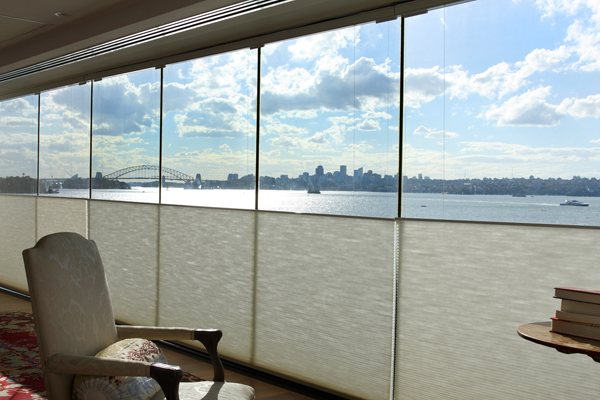
Vertilux has been competing successfully as an Australian blind manufacturer for the past 36 years. According to Paula Dawes, national marketing manager, this is owed to their “constant reinvention”. Amidst their operational agility and market flexibility, one constant has been that Vertilux Corporation remains Australian owned and operated.
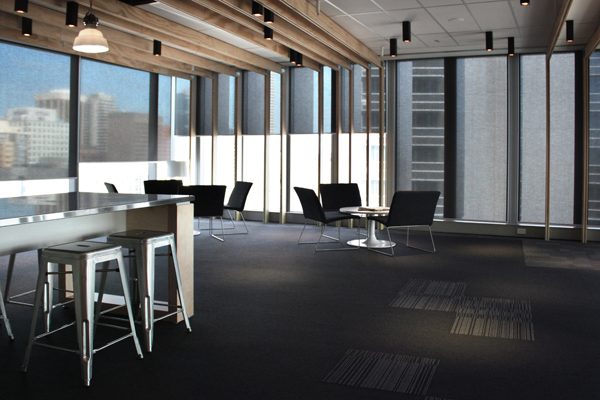
They began as a manufacturing facility that supplied retailers in Victoria and New South Wales. The retailers would rebrand Vertilux product for their own marketplace, but in 2005, a watershed juncture occurred. “There was the realisation that Vertilux needed to take back more control of the specification of product,” said Dawes.
In an increased physical commitment to the architecture and design community, Vertilux introduced a sampling program, catalogues and testing of fabrics by independent authorities. The residential market continued to be serviced in parallel.
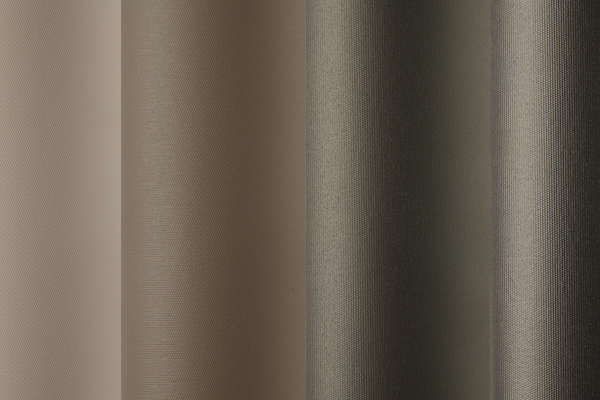
Another key decision was their environmental commitment. In November 2008, Vertilux shifted the manufacture of their Greenvision ranges from PVC fiberglass fabric to Trevira CS and polyester. “We were not prepared to put research and development dollars into fabrics that didn’t have a long-term position from our perspective – they need to be working well as a product and to achieve what is better for the environment and better for the user,” explains Dawes.
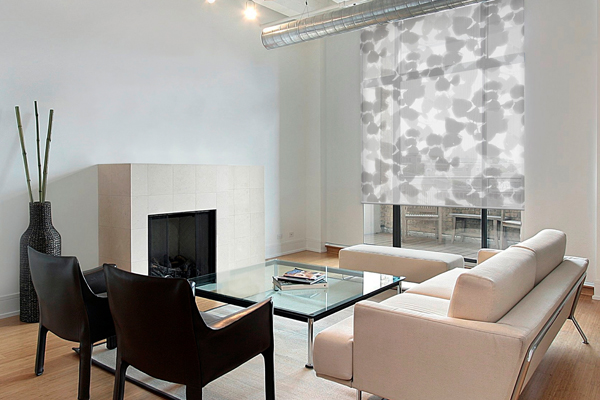
Getting products assessed “as completely and independently as possible” has been another major commitment. Vertilux opted for the Ecospecifier Global Green Tag system because of its cradle-to-cradle assessment of their fabrics.

Architect and design clients are supplied through distributors, but they’re serviced by Vertilux’s business managers. This allows for direct responses on what can or can’t be done from a manufacturing perspective. And, within each of the nine blind groups, Vertilux is proud to offer bespoke manufacturing specific to each client’s needs.
“We’re large enough to achieve whatever the job requires but still small enough so that a distributor can phone the managing directors and discuss the challenge of a particular job,” says Dawes.
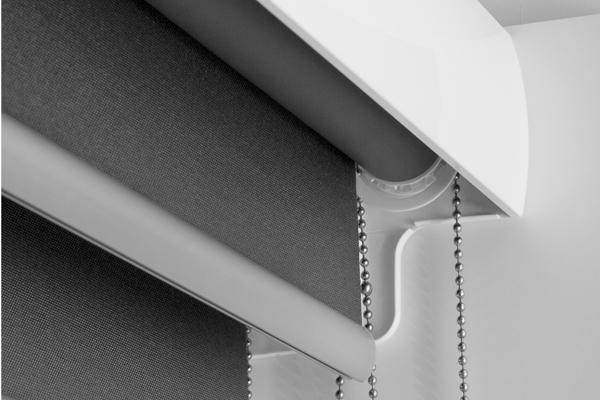
Vertilux is exemplary in its manufacturing competitiveness. Their search for innovation never rests. Their systems are designed by in-house engineers, and they also work with niche local engineering companies to prototype new systems and components. In 1998 they patented the Vertilux Spring Assist system, which made blinds much easier to use.
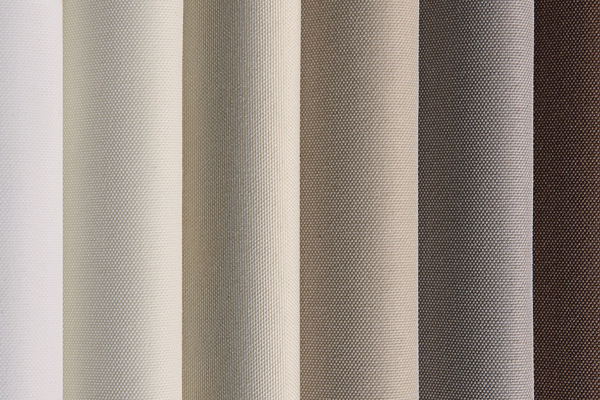
In 2005 they patented an Australian first, the Vertilux Multilink system. This meant that a single bracket could enable a set of three blinds to be operated by a single motor or manual system, giving cleaner movement and control. In 2006 they launched the fully enclosed Kassett system, which raised the bar for heat and light insulation, smooth operation and clean design lines.
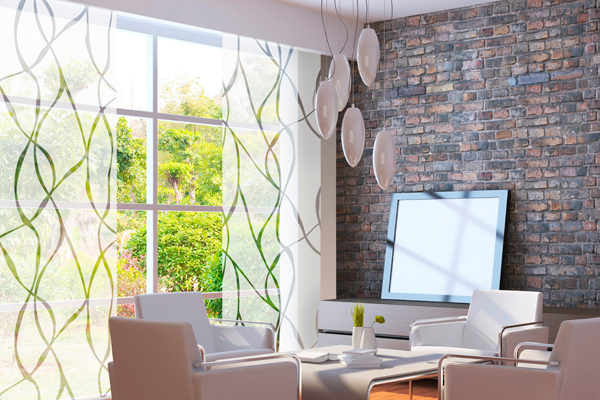
Their most recent work has been going into a new manual gearing system. Five years in research and development, Vertilux will soon break new ground – again. Watch this space.
Vertilux
INDESIGN is on instagram
Follow @indesignlive
A searchable and comprehensive guide for specifying leading products and their suppliers
Keep up to date with the latest and greatest from our industry BFF's!
The internet never sleeps! Here's the stuff you might have missed