The home of architecture and design in the Asia-Pacific
Get the latest design news direct to your inbox!

Get the latest design news direct to your inbox!
InterfaceFLOR recognised again as the #1 global leader in sustainability.
May 6th, 2009
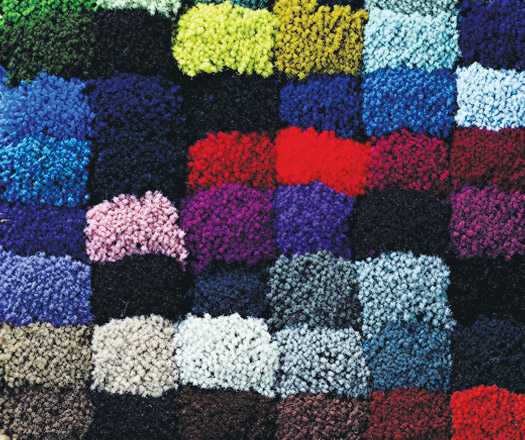
InterfaceFLOR, design leader in modular carpet tiles, have once again been recognised as the global leader in sustainability, with GlobeScan’s 2008 Survey of Sustainability Experts* ranking Interface Inc. – InterfaceFLOR’s parent company – number one globally for Leading Corporate Social Responsibility, ahead of Toyota and BP.
This is the third year running that InterfaceFLOR has been recognised.
As part of their sustainability mission, InterfaceFLOR have influenced companies they work with to take on a green agenda.
This excerpt from the current issue of designspace introduces us to Italian yarn manufacturer and supplier Aquafil, who are now world leaders in sustainable manufacturing in their sector.
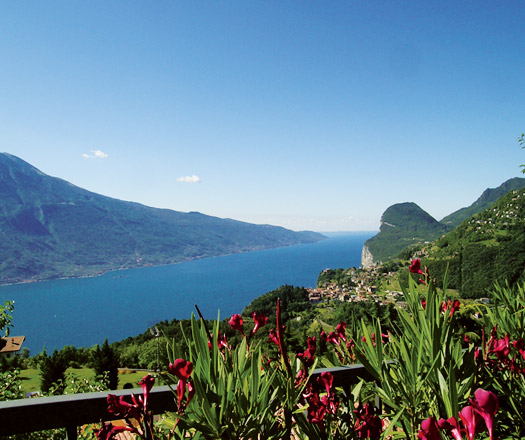
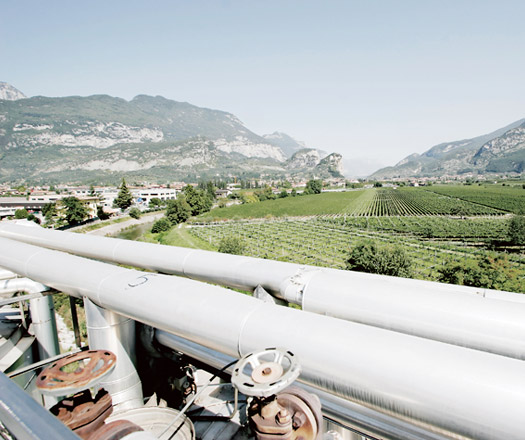
Aquafil is a manufacturer of synthetic fibres and polymers with headquarters in Lake Garda in the Dolomite Mountains in Northern Italy. The company produces plastics, yarn for the fashion industry and yarn for carpet.
As part of InterfaceFLOR’s sustainability revolution which started in the 1990s, they began to question the green credentials of all their partners – what they now call ‘Closing the Loop’ on sustainability. This included influencing suppliers like Aquafil.
“We were pushed to think about our sustainability by Interface,” says Elena Scapini, Sales Director at Aquafil, who visited Australia from their headquarters in Italy last year, along with Maria Teresa Tomaselli of Aquafil Asia Pacific.
“It was Interface who first suggested we create solution dyed yarns,” Scapini adds.
Solution dyed yarns were created as a response to the sheer amount of pollution generated by dyeing a yarn. The chemical used for the dye, usually in liquid form, ends up as a potentially major pollutant. With solution-dyed yarns, the double process is reduced to one, with colour granules added before the process of polymerisation that makes the yarn.
“When Interface’s turn towards environmental policy went bigger and bigger, we tried to also advance our research and development more and more,” says Scapini.
The next step was to recycle post-industrial materials left over after the process of manufacturing, followed by a new phase, just starting, of using post-consumer content.
When we received the fluff cut from off the carpet from Interface and put it back through our machines, we created postconsumer recycled yarn for the first time,” says Scapini. “It’s also not hard to be concerned for the environment when you look out every day onto the beautiful Dolomite Mountains.”
“In Italy, we are located in a very nice environment, a tourist resort on the Lake Carda, the biggest lake in Italy, surrounded by very high mountains,” says Scapini. “So environmental consciousness is something that’s come along with our industrial activity there.” In this way, InterfaceFLOR is contributing to the preservation of our future environment, not only within their own company, but also through influencing others to do the same.
To read more articles from designspace – Click here
* Published twice yearly the GlobeScan Survey of Sustainability Experts is based on strategic insights and predictions from a selected panel of experts. The panel covers all industry sectors as well as leaders of major policy institutes and NGOs.
interfaceflor.com.au
INDESIGN is on instagram
Follow @indesignlive
A searchable and comprehensive guide for specifying leading products and their suppliers
Keep up to date with the latest and greatest from our industry BFF's!
The internet never sleeps! Here's the stuff you might have missed