The home of architecture and design in the Asia-Pacific
Get the latest design news direct to your inbox!

Get the latest design news direct to your inbox!
A strong family culture and unique business practice have been at the centre of SJB’s success for 35 years. Ola Bednarczuk speaks to Director Michael Bialek.

May 4th, 2011
SJB founders Alan Synman, Charles Justin and Michael Bialek set out in 1976 with a passion for architecture, shared business goals and a family-oriented approach to their company.
Bialek still describes SJB’s growth as resembling an extended family, “spawning so-called children, or businesses within the group.”
SJB now numbers 9 entities – 2 architecture branches, 2 interior design, 2 town planning, 2 urban design and Management for Design, a management support company which, as Bialek describes, “collects all the things designers don’t do and are not good at,” from IT to business development, finance to legal work.
Under the administration of an umbrella organisation – SJB Australia – each of these standalone businesses is driven by individual directors and free to work with other architects and companies, thereby offering a full range of services.
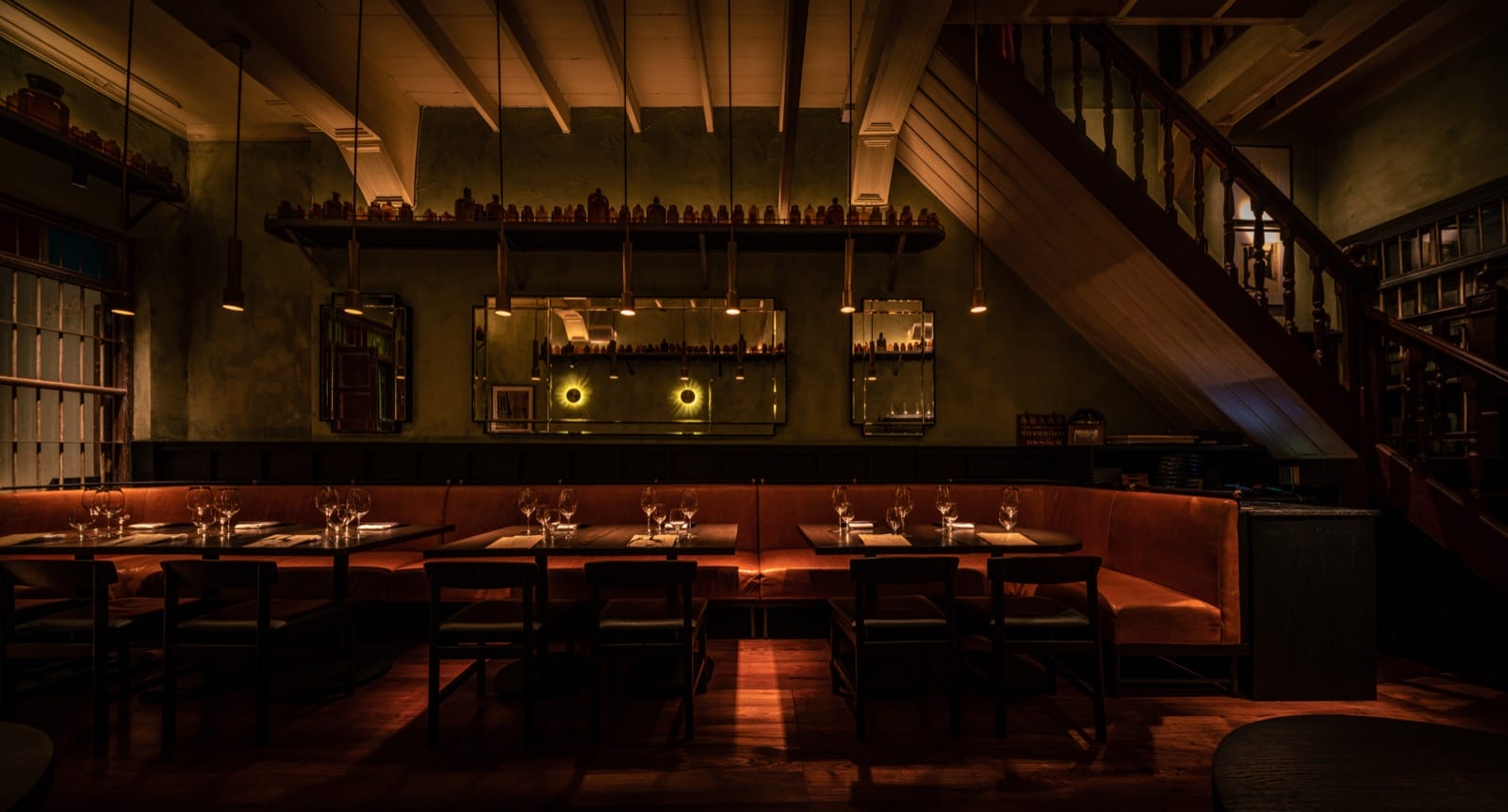
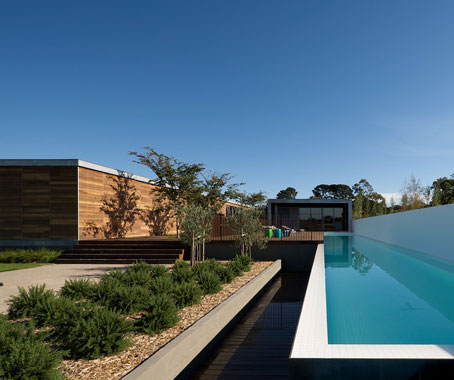
RACV Healesville Country Club. Photo by Jaime Diaz-Berrio.
“As a model it’s quite unique,” Bialek explains.
“We set up this model because we believe investing in the right people was the way to grow the business, and to offset periods of property boom and bust. We made the decision that we wanted to be controllers of our own destiny and we didn’t want to be subject to the volatility of the market.”
Instrumental to the expansion of this model has been finding “strong individual skilled professionals” for each business opportunity.
“The success of those businesses has been achieved because the skilled professional has been able to start from scratch and build up that business, with the backing and infrastructure of the larger group,” Bialek says.
With a number of high-profile projects under the company belt, the SJB model has helped changed the urban landscape, particularly in Melbourne and Sydney.
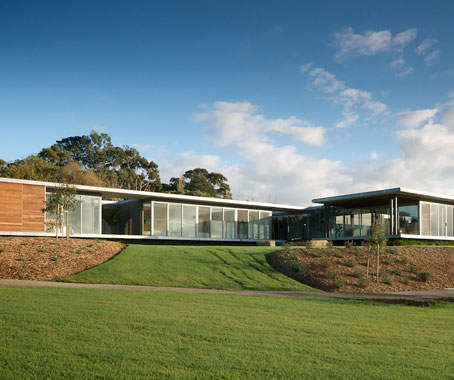
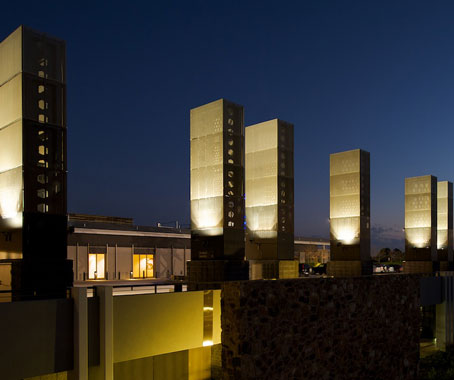
Shoreham House. Photo by Jaime Diaz-Berrio.
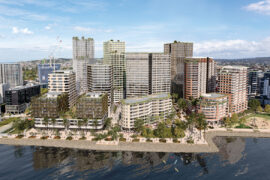
Key projects include the St Margaret’s development in Sydney, which revitalised a run-down and disused precinct into a commercial and retail hub; hospitality refurbs which have transformed low performing venues, and the first mix-used development in New Quay at Melbourne’s Docklands.
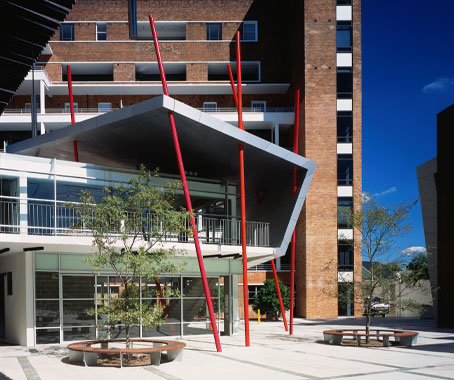
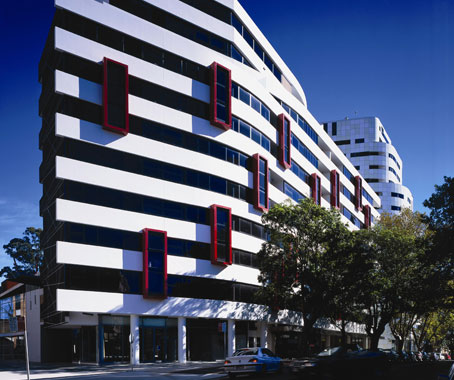
St Margaret’s, Sydney
SJB’s urban design group, as a new business, is experiencing especially large growth and becoming increasingly well-known.
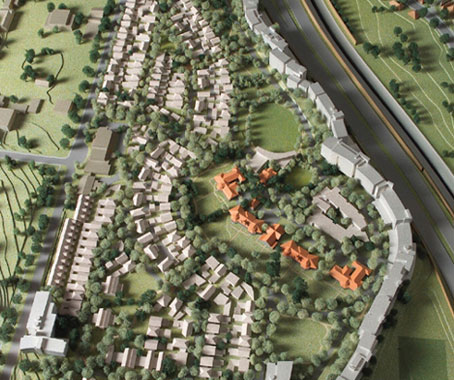
Village Park, Parkville, Victoria
“Our decision to go into the urban design sector stems from a clear understanding that architects can’t look at buildings in isolation, and that a fit of buildings to their contexts – either their relationship with heritage buildings, or their relationship with the public domain – has become critical,” Bialek explains.
“The bar has lifted in terms of what you now need to prove that your project is worthy.”
Bialek is positive not only about SJB’s future direction but about the direction architecture and planning in Australia is taking.
“We’re fortunate that a lot of architectural work in Australia is actually built, whereas in other parts of the world there’s nothing near the opportunity for the amount of new building work that we come across in Australia.
“We have the opportunity to make decisions based on our local and specific knowledge of good urban design outcomes,” he says.
“The value of our cities is apparent.”
Want more SJB? Enjoy this project by the SJB Interiors team – 12 Micron.
INDESIGN is on instagram
Follow @indesignlive
A searchable and comprehensive guide for specifying leading products and their suppliers
Keep up to date with the latest and greatest from our industry BFF's!
The internet never sleeps! Here's the stuff you might have missed

Presented by Woven Image