The home of architecture and design in the Asia-Pacific
Get the latest design news direct to your inbox!

Get the latest design news direct to your inbox!
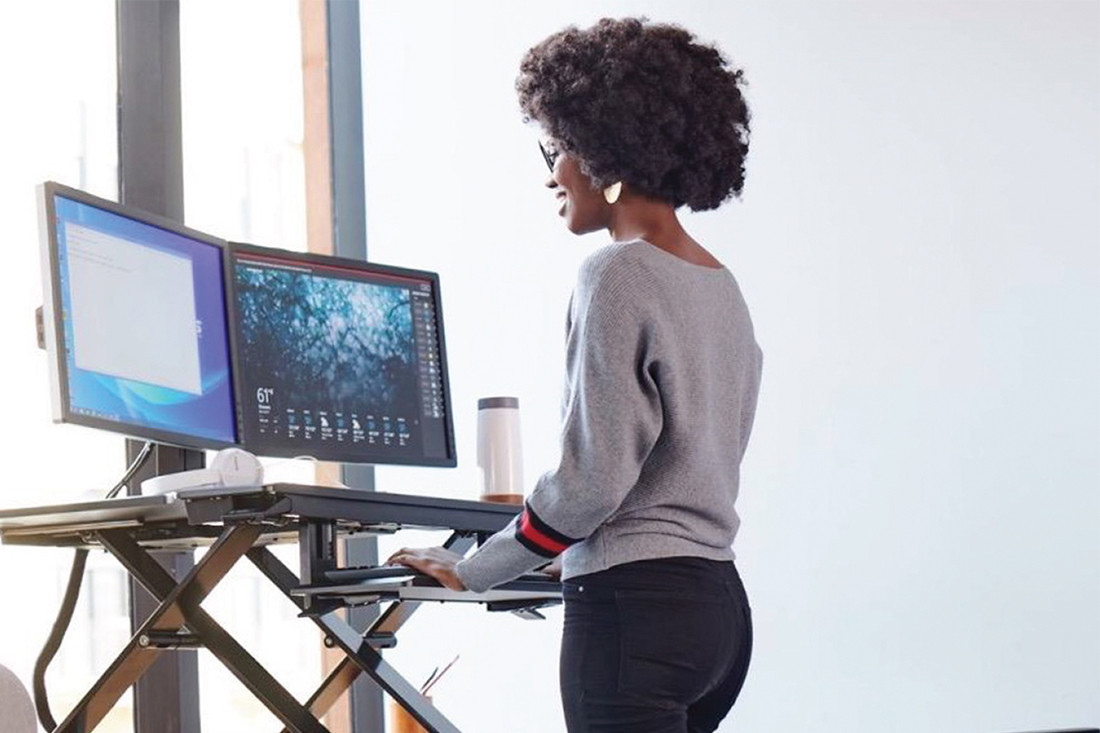
In this whitepaper, we look at the dangers of prolonged sitting and the health, productivity and cognitive benefits of incorporating more movement into the average workday.
February 28th, 2021
Regular physical activity promotes good overall health, including maintaining healthy weight and reducing chronic disease risk. However, modern sedentary lifestyles at home, school and work have meant that the physical activity levels of people in Australia and around the world are less than what is needed to gain a health benefit.
In Australia, 50% of workers have jobs that involve sitting. Individuals working jobs that involve “mostly sitting” average approximately 6.3 hours per day sitting at work. If we also include time spent sitting at home, commuting and eating, Australian adults are spending approximately nine hours per day sitting down.
There is compelling evidence that sitting for more than four hours per day can lead to serious health issues – from musculo-skeletal disorders and diabetes to heart disease and early death. Even if an individual achieves all their recommended physical activity goals, the damage caused by prolonged sitting cannot be undone.
Designers play a critical role in minimising the impacts of prolonged sitting by creating comfortable, customised workspaces that promote a neutral, relaxed sitting posture. However, it has become abundantly clear that humans have evolved to stand, and not to sit. Encouraging and enabling movement during the workday
– that is alternating between standing, walking and sitting
– is just as, or even more, important when designing for health and wellbeing.
In this whitepaper, we look at the dangers of prolonged sitting and the health, productivity and cognitive benefits of incorporating more movement into the average workday. With this in mind, we then look at the ergonomic design considerations that impact workstation specification.
"If the document hasn't automatically downloaded in 10 seconds, download here."
Please note by accessing advertiser content your details may be passed onto the advertiser for fulfilment of 'the offer' and also permits the advertiser to follow up the fulfilment of the offer by email, phone or letter. The subscriber also permits further communication from indesignlive.com.
INDESIGN is on instagram
Follow @indesignlive
A searchable and comprehensive guide for specifying leading products and their suppliers
Keep up to date with the latest and greatest from our industry BFF's!
The internet never sleeps! Here's the stuff you might have missed