The home of architecture and design in the Asia-Pacific
Get the latest design news direct to your inbox!

Get the latest design news direct to your inbox!
Are we creating an environment in design where the next Issey Miyake might flourish? If young designers take one lesson from the practice of iconic Japanese designer Issey Miyake, it should be the importance of bringing innovation to life.
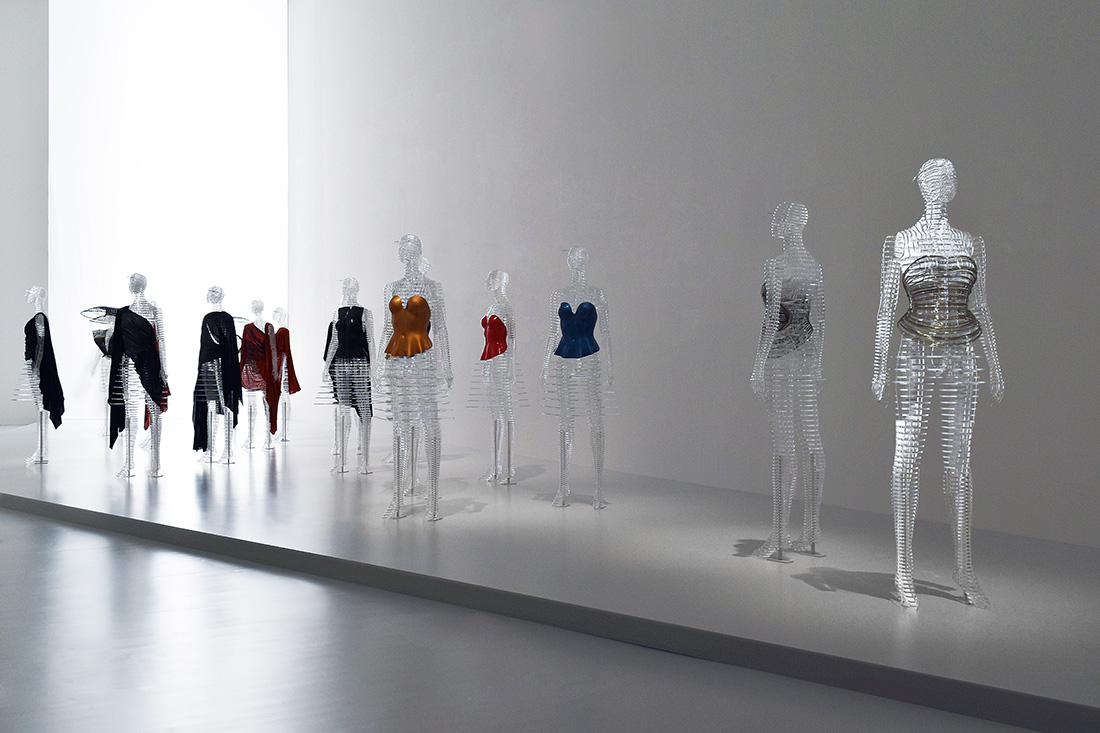


For close to half a century, Japanese designer Issey Miyake has been re-defining the relationship between cloth and the human body, unconstrained by existing notions of how fashion should frame the body. He founded Miyake Design Studio (MDS) in Tokyo in 1970, and it was here that he and his team began to explore and develop new ideas for how technology and fashion could work together – particularly through the celebrated Pleats Please collection. Most importantly, he brought those ideas to life.
In today’s fast-paced world, in which new ideas – often barely prototyped – are regularly showcased at Milan, devoured by the press and then promptly forgotten, how can we expect designers to deliver truly innovative products that will remain relevant for decades to come?
The pleating technique used in Miyake’s Pleats Please range, for example, took over four years to perfect. “Mr. Miyake always says that to create new ideas is good, but not complete,” says Sawako Ogitani, who has worked as a Senior Executive at MDS since 1991. “You have to realise those ideas. It’s something he cherishes as a designer’s responsibility to society and people.”
See the full story in Indesign #66. Subscribe here.
INDESIGN is on instagram
Follow @indesignlive
A searchable and comprehensive guide for specifying leading products and their suppliers
Keep up to date with the latest and greatest from our industry BFF's!
The internet never sleeps! Here's the stuff you might have missed