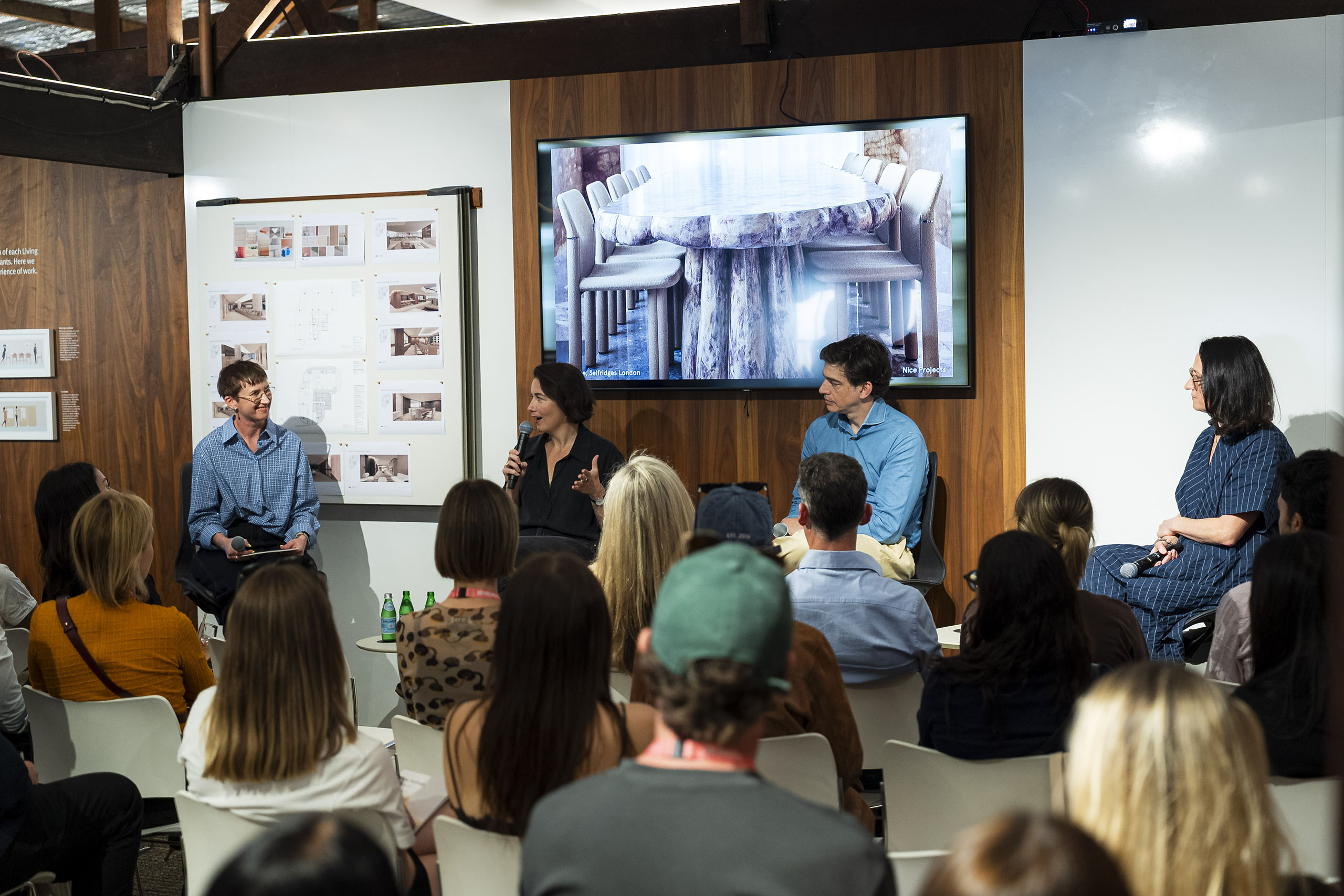
Architect Hiroshi Naito, the principal of Tokyo-based design studio recently delivered an earnest talk on ‘body & soul of architecture’ as part of an event hosted by TOTO. He was born in Yokohama, Japan in 1950 and has been awarded numerous awards for some of his outstanding works for the public. In his talk, he shared his deeply held values on identity, memories and human relationships. In his career of over 3 decades, he strives to create spaces that have the ability to enrich people’s life, where they feel safe and connected.
We sat down with him to gain insights on his values on meaningful architecture and thoughts for the future.
Nitika Agarwal: Your engineering interests and teaching experience has evidently influenced your thought process. Can you elaborate on the connections between physics and design?
Hiroshi Naito: It’s very difficult to separate the two. Several years ago I was drawn into the world of engineering through a station project in Asahikawa & that experience has since fed back a lot in my architecture. In civil engineering, people are constantly thinking about how they can protect people, build safer places & improve people’s life. In their mind, public comes first and the individual comes last. I think that’s such a wonderful approach.
So you can although learn a lot from books, but for me, most of my knowledge of science comes from the craftsmen on site. My ideas come from working with people on site which is why perhaps my projects are more diverse. And that’s how the designs are intuitively born.
Most of your projects in one way or the other, reflect the natural spirit of the place. What advice do you have for designers today in terms of prioritising these values in their approach?
There’s all kinds of architecture that’s being built around the world. They may be more interesting or give a sense of what contemporary architecture could be like but, I honestly don’t appreciate that approach towards design. I feel it’s very important to place priority on the people when you design spaces. Due to the rising trends of technology & virtual presence, the inter-human relationship in the modern era is being compromised. So I really hope, the younger generation prioritises people & think of how they might feel in the space when they design, over everything else.
I don’t think young designers really have to study architecture. They should perhaps read more, listen to different kinds of music and essentially expose themselves to different environments. In my opinion, that’s a better way of learning.
Your focus is creating meaningful, modern architecture. Tell us some of the key concerns of your approach
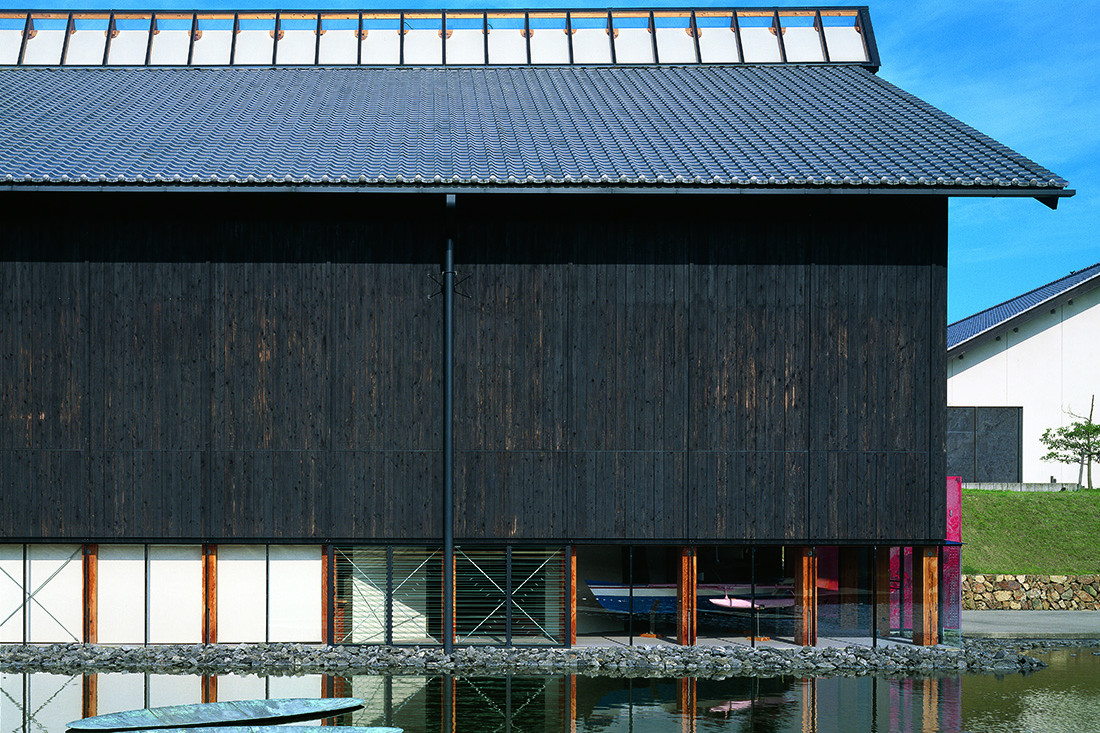
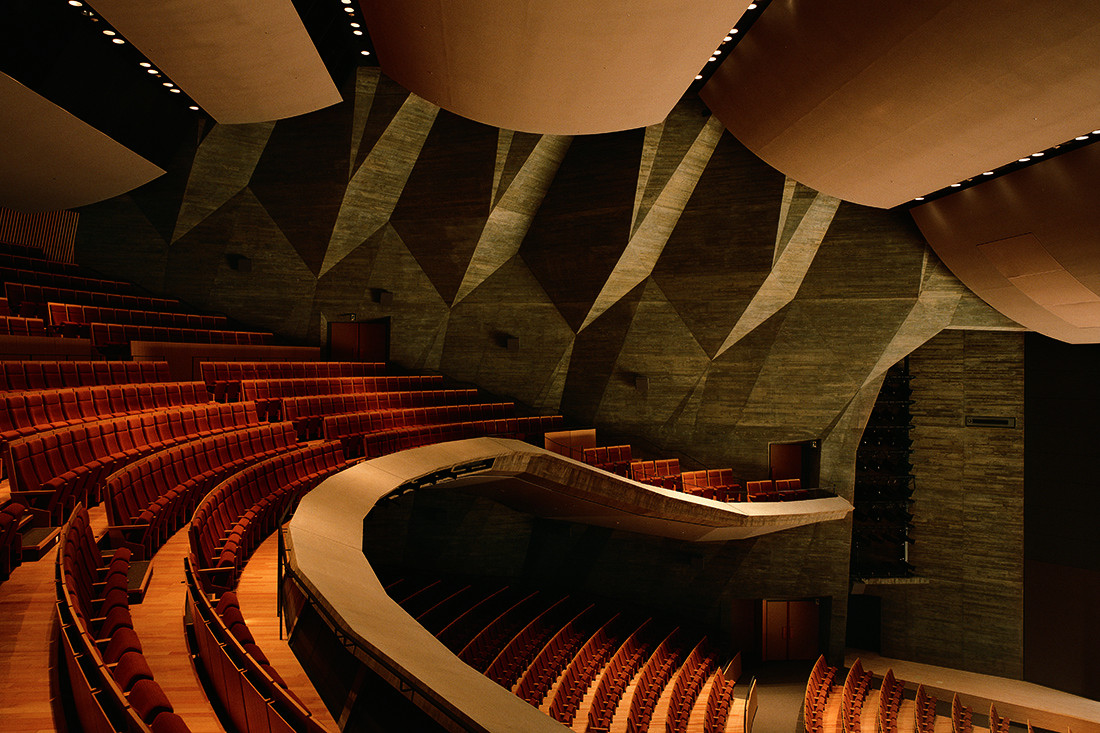
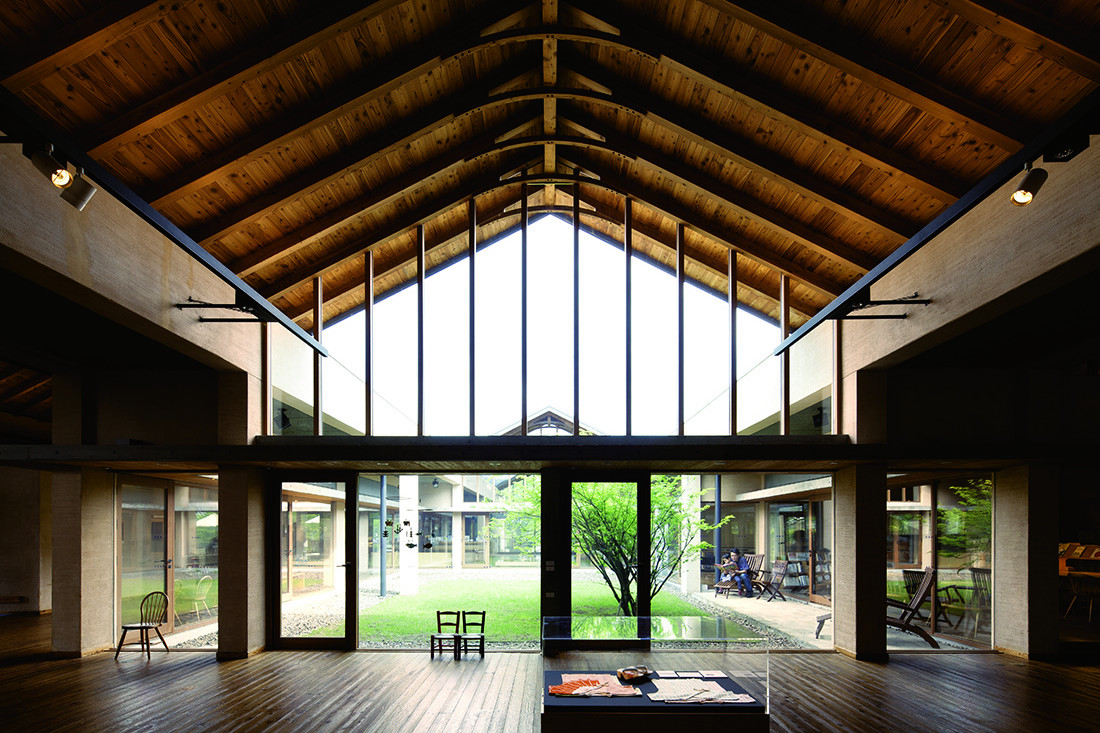
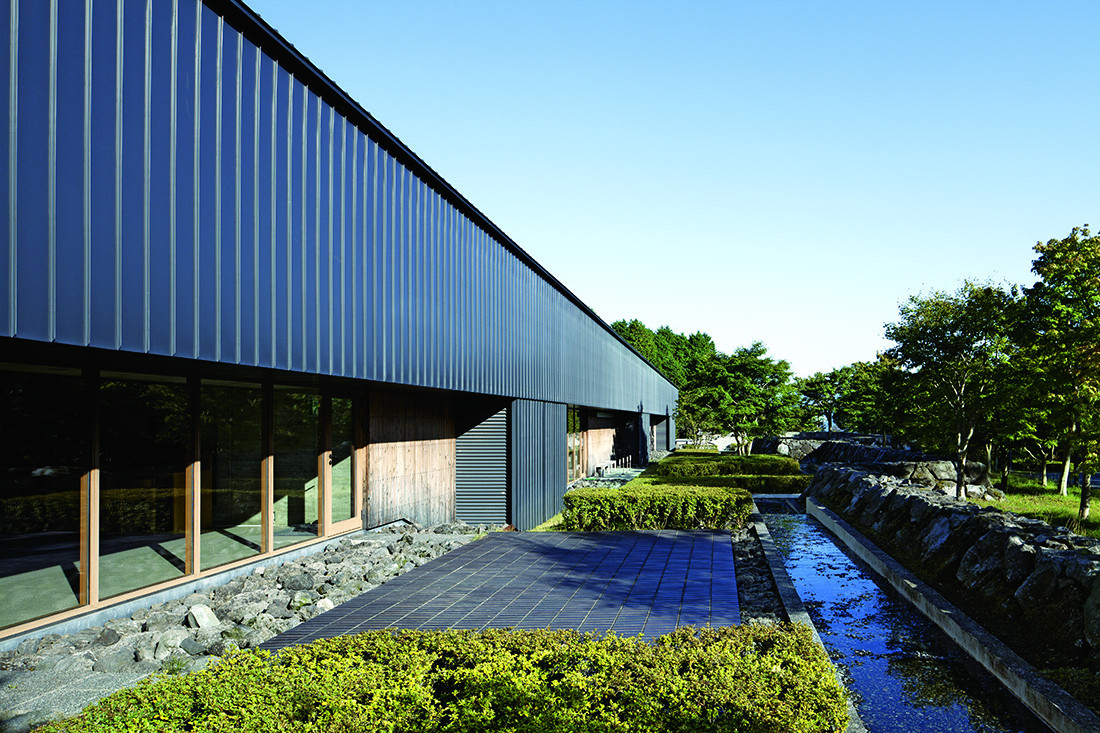
Well as I briefly talked about earlier, I am more interested in ‘space’. For me, there are ‘body & soul’ in architecture. Body being the building driven by climate, technology, context and soul, is the space created in it. That is the most important – the one that underlines the culture of the place.
I will explain a little more about the process. I feel buildings should feel like something existing from before and yet, continuing to exist in the future. Since buildings we create will be kept for years, in some cases centuries, they shouldn’t only be relevant long into the future but also, speak of the old values of where they exist. I believe that the role of architecture is to link the past and the future. So, at the start of my project I always spend time at the site in search of something inherent.
If you were to design a residential complex in Singapore to serve the society long into the future, what would be your key concerns?
I think that’s going to be challenging. But if I get a chance to design residences in Singapore, I would like to approach it quite differently. Well buildings here rely heavily on air-conditioning. In olden times, the volume of spaces were larger due to higher ceilings right? Because of that, the rooms were airy & well ventilated. But now since we have air conditioners, we have reduced these heights. So, if possible, I would like to think of something more viable for Singapore.
Article originally appeared in Indesignlive Singapore
If you enjoyed this, we think you’d might like Presenting: Tim ‘Rosso’ Ross.Stay in the loop, join our weekly newsletter.