The home of architecture and design in the Asia-Pacific
Get the latest design news direct to your inbox!

Get the latest design news direct to your inbox!
Named as one of Time magazine’s 100 Most Influential People of 2017, we take you behind the scenes of Adjaye’s recent visit to Sydney, where he shared his opinion on architecture as an agent for cultural change.
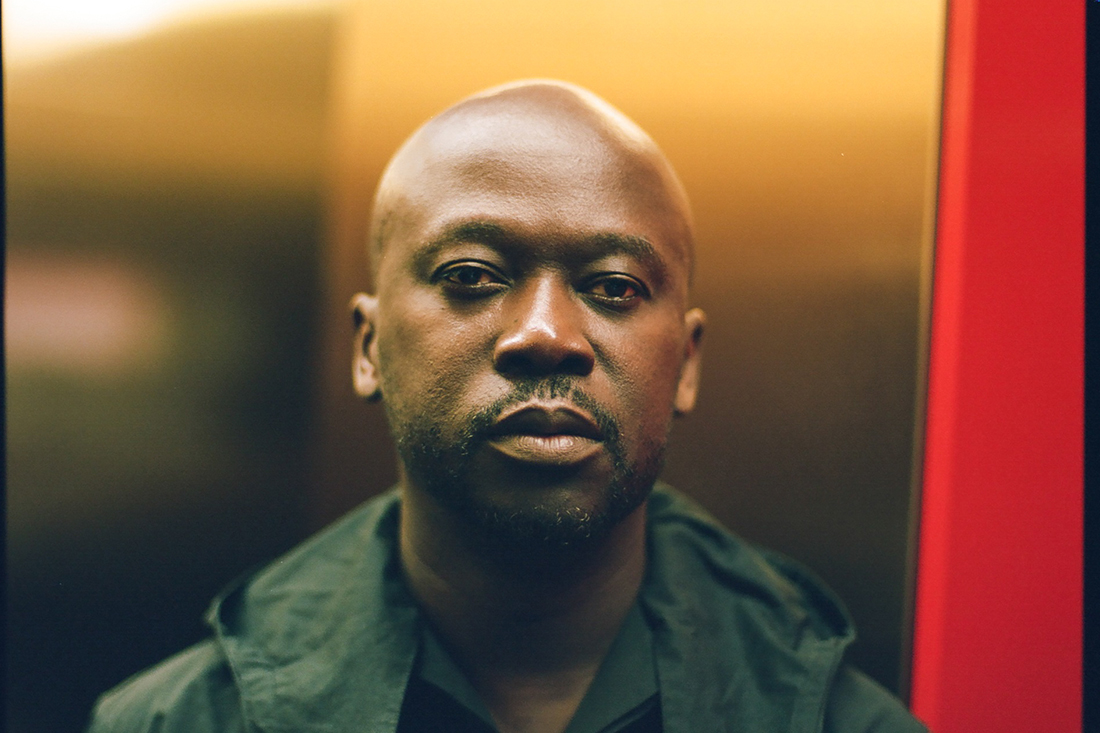
When internationally renowned architect Sir David Adjaye was in Australia recently, he took a few hours one evening to lecture a room full of keen architects and designers, and A+D enthusiasts on his practice and processes. The British–Ghanaian founder and principal architect of Adjaye Associates has worked on projects of various scales and to various briefs across the globe.
And so it came as no surprise that he was named among Time magazine’s 100 Most Influential People of 2017 – and is the only architect to make the list.
During his Syd visit, Adjaye discussed one project in particular he invested a considerable amount of time – 13 years – and effort into was the new addition to the Smithsonian Institution, the National Museum of African American History and Culture in the National Mall in Washington DC.
In September 2016, President Barack Obama opened the museum. As culturally rich as it is confronting, his design of the museum pushes you to the perimeters – physically and emotionally – forcing the views and disturbing history upon you. Public Architecture is increasingly being recognised as a cultural change agent – whether responding to a shift in social trends or inciting them. Adjaye is clearly and keenly aware of this impact and – in turn – responsibility.
Dubbed an “architectural prodigy”, at 50 years young he’s relatively new on the A+D scene – but boy, in those years has he made a splash. The “prolific designer of public spaces”, has a history of teaching and publishing his insights. In 2007 he received an OBE award and in 2016 was knighted by Her Majesty the Queen for his services to architecture. Adjaye is another is a growing kabal of design activists using their knowledge and talent for social and cultural improvement. Making sweeping statements about how ‘art can change the world’ is usually met with a scoff and derisive eye-roll.
But Adjaye’s portfolio of work not only theorises, but puts into practice the good that our industry can do.
INDESIGN is on instagram
Follow @indesignlive
A searchable and comprehensive guide for specifying leading products and their suppliers
Keep up to date with the latest and greatest from our industry BFF's!
The internet never sleeps! Here's the stuff you might have missed