The home of architecture and design in the Asia-Pacific
Get the latest design news direct to your inbox!

Get the latest design news direct to your inbox!
Following his cast iron Brut collection for Magis, this year Konstantin Grcic translates industrial steel cabinet production to new uses. We spoke at the Magis stand at the Salone del Mobile.



April 23rd, 2018
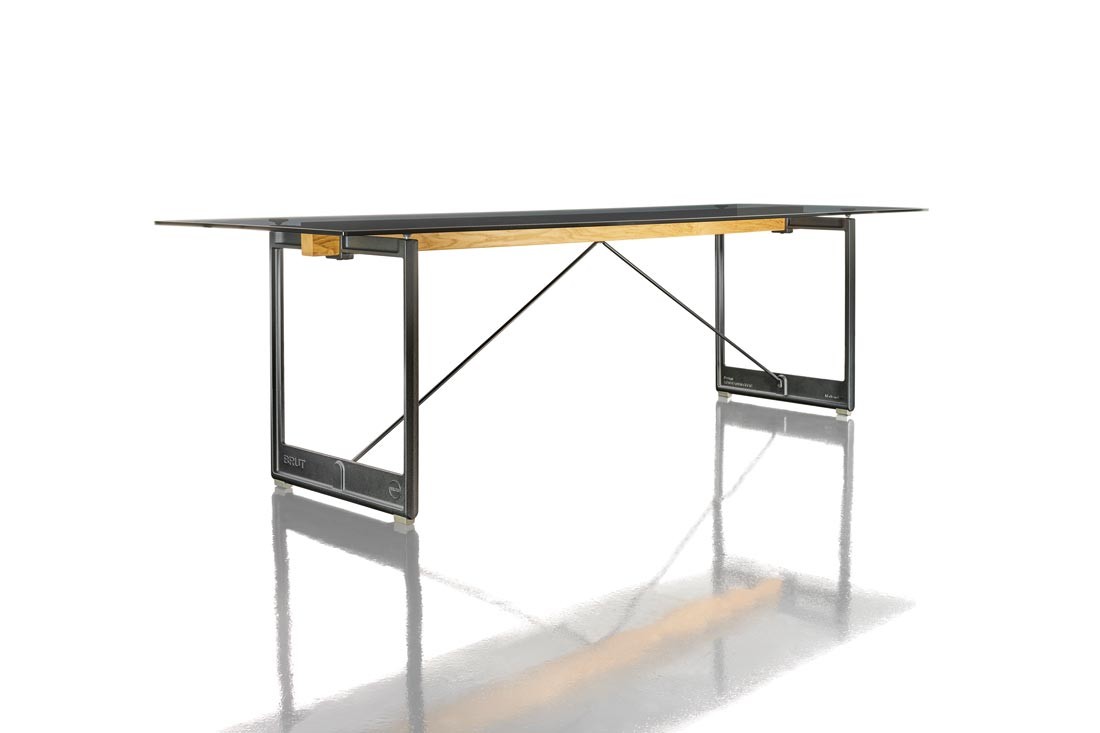
When we last met at the Magis stand two years ago, we talked about your Brut collection, which was new at that time. How has Brut developed since then?
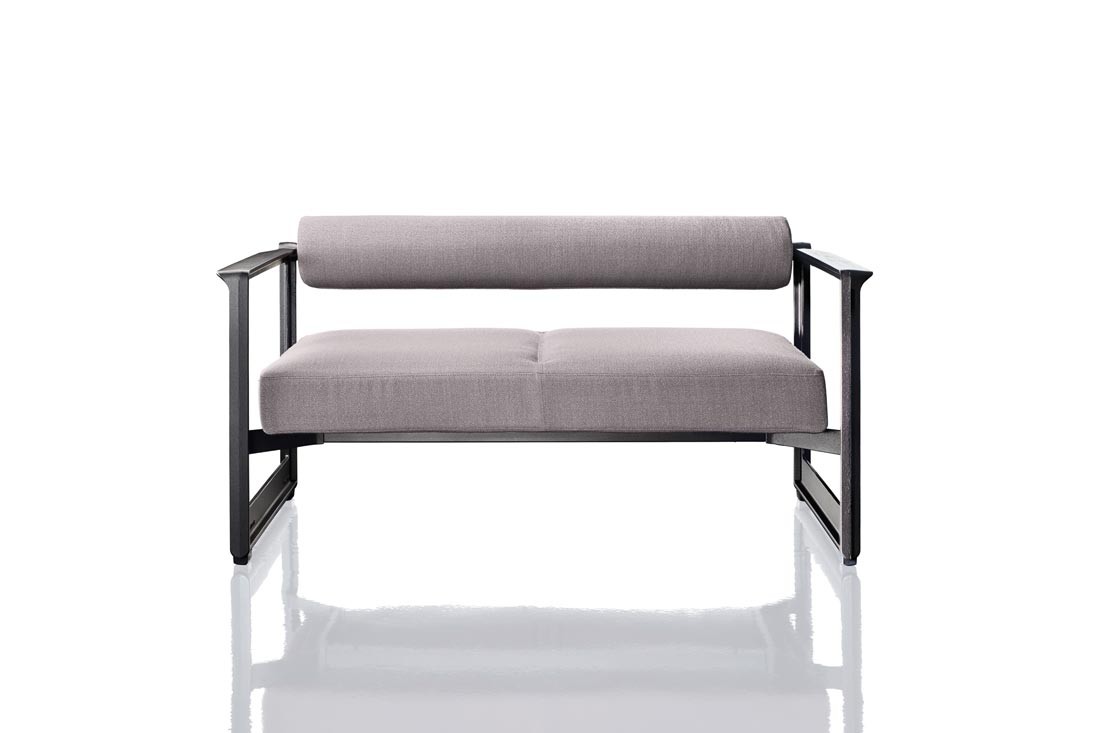
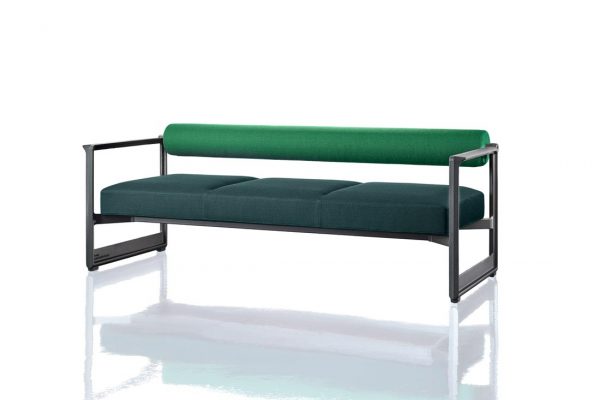
Two years ago we showed the first collection – mainly tables, which seemed an obvious project to do with this material. Last year we added a series of upholstered chairs and a sofa. That was a more unusual application of this technology, but a very successful one. Doing a sofa or an armchair, we put the user much more in contact with the material because it’s your armrest. We contrasted that hard cast iron raw material with fabric – soft, refined, colourful. I think there’s something very successful in this contrast and play.
And this year you are showing a new collection?
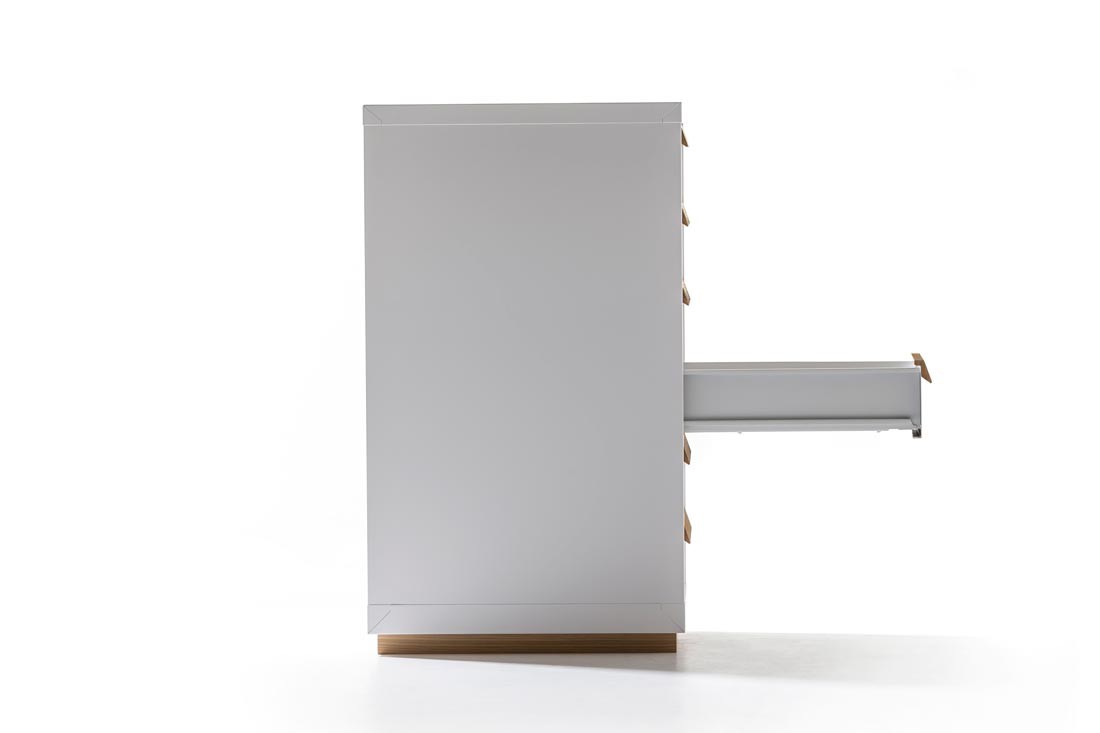
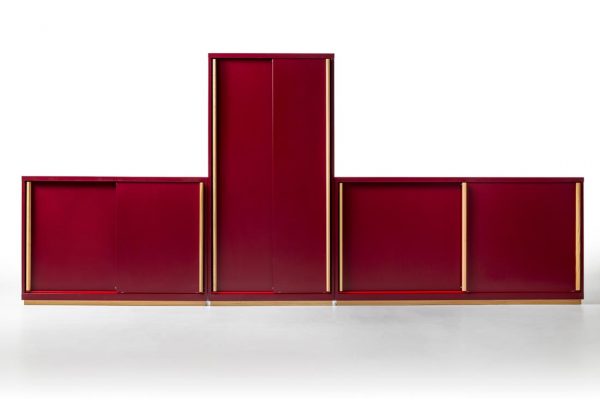
Yes, a series of sheet steel cabinets called Chess. It’s another form of collaboration between Magis and an industrial producer – a specialist in making high-volume production runs of sheet steel cabinets. Our interest and challenge for the project was: can we take these cabinets through some form of intervention and make them more domestic?
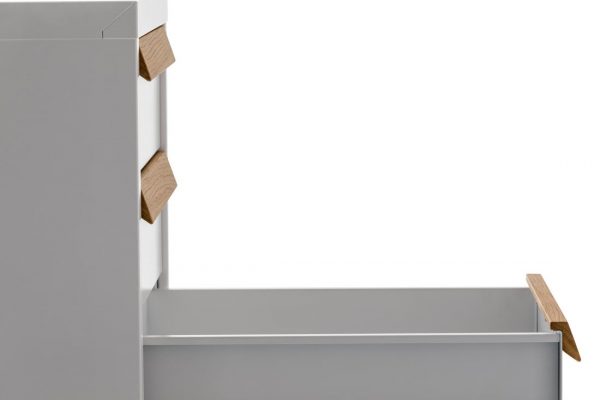
Where we intervened was more about eliminating certain things from the process. We’ve added one element, a wooden handle – a soft, warm material. We changed the colour. We elevated the cabinets off the floor with a pedestal. It’s a design process of refining an existing product, making subtle interventions. It’s a complicated process, and it’s as demanding as designing something from scratch. What we didn’t want to happen was to interrupt the process that makes these cabinets such high quality, so efficient and so beautiful.
Why this apparently recurring interest in bringing industrially oriented materials and techniques into new objects?
I love the idea of industry, of producing something in quantity – not for the sole reason that you can sell many, but more importantly for the reason that in order to produce something in quantity, you go through a very intense process of developing something to be as perfect as possible.
Do you think that narrative or storytelling in design is becoming more important or common these days?
I’d say it’s always been important. It’s always good to have a story to tell. Storytelling plays a very important part in the design process and why we do things in a certain way. Some stories are fake. Fake news, haha! A story can be a very simple and small one. The media sometimes tends to blow up a story to something that isn’t right. The piece itself tells a story. We don’t have to add a layer.

What do you think are the most critical things an industrial designer should have in mind today?
I’m sure there are many answers. What comes to my mind now is that we should talk about quality in what we do. That includes being honest about what we do, it includes the economy in what we do and being simple, finding appropriate measures, thinking about the resources – not only material resources but human resources.
Quality also includes the notion of does it function, is it a comfortable product, is it intelligent? We tend not to speak about that so much anymore. It used to be that design was all about function. We’ve come to a point where we no longer question function. A lot of products we use, we don’t actually know how they work. [Points sat iPhone.] When it doesn’t work, we get really upset. We just take it for granted that things function now. As designers we have to – it’s still something we have to make happen. But nobody’s interested in it. They take it for granted. Quality is also about my collaboration with a company; having enough time to do things properly.
Take a look at what Magis’ stand looked like at this year’s Salone del Mobile.
Magis is supplied through Cult in Australia.
INDESIGN is on instagram
Follow @indesignlive
A searchable and comprehensive guide for specifying leading products and their suppliers
Keep up to date with the latest and greatest from our industry BFF's!
The internet never sleeps! Here's the stuff you might have missed