The home of architecture and design in the Asia-Pacific
Get the latest design news direct to your inbox!

Get the latest design news direct to your inbox!
A sensitive heed to the property’s existing design sensibility and bold spatial planning characterise this project by Orbit Design Studio.

November 12th, 2014

When Orbit Design Studio was appointed to transform the existing lobby of St Regis Bangkok into a new lounge, the main challenge, according to the firm’s Design Director (Hospitality) Javier Rojas-Rodriguez, was “to create a sense of ‘newness’ while changing very little of the lobby’s architecture”.
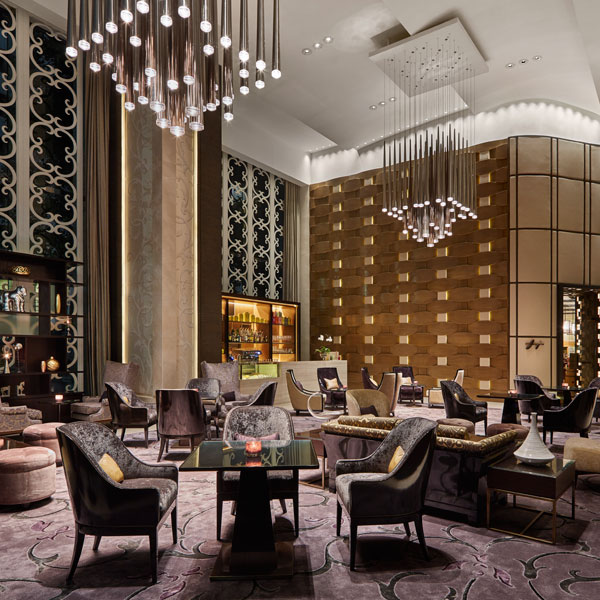
The design inspiration for The Lounge is deeply rooted in the client’s brief of creating a new and vibrant F&B experience, while making sure it also merged seamlessly into the property’s existing ‘glass house’ narrative. “The existing interiors are based on a marriage of contemporary materials such as stainless steel, glass, and dark granite, together with the exuberant colours and textures of its Thai context,” Rojas-Rodriguez explains.
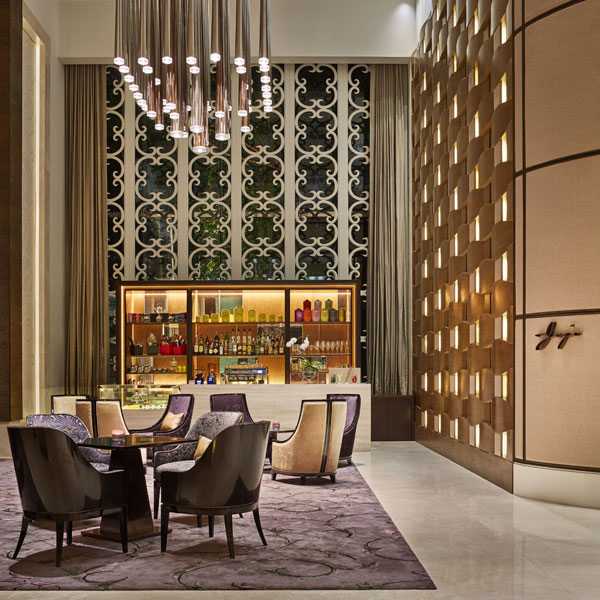
Orbit Design Studio’s approach is characterised by bold space planning decisions where the large, 400sqm lobby space is divided into a social zone in close proximity to the new tea & patisserie bar (which the firm had also designed), and into a more quiet zone geared for social and business meetings.
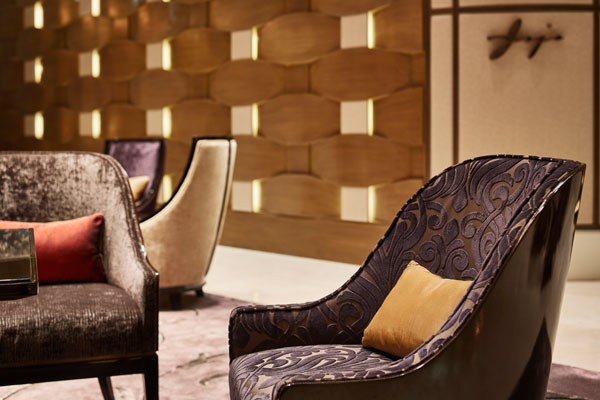
The boldness of the space planning is complemented by a sensitive approach to the materialising and execution of the The Lounge’s look and feel where the use of deep burgundies and ebonised tones is strategic in making sure the new design merges well with the existing, elegant style of the property. At the same time, a mixture of different seating types serves to create a casual ambiance.

The Lounge is crowned by four dramatic chandeliers, underscoring the soaring height of the Lobby space whilst calling out the presence of The Lounge’s new offering.
Photography: Owen Raggett
Orbit Design Studio
orbitdesignstudio.com
INDESIGN is on instagram
Follow @indesignlive
A searchable and comprehensive guide for specifying leading products and their suppliers
Keep up to date with the latest and greatest from our industry BFF's!
The internet never sleeps! Here's the stuff you might have missed