The home of architecture and design in the Asia-Pacific
Get the latest design news direct to your inbox!

Get the latest design news direct to your inbox!
Kettal’s latest series of pavilions include a kitchen module and a trolley that bring the joy of cooking, eating and lounging to the great outdoors.

August 24th, 2018
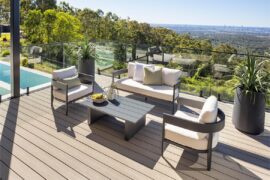
What are the ingredients of a great outdoor lounging experience? Well-designed outdoor furniture, a fantastic view, delicious foods, family and friends? Shade is one thing that shouldn’t be forgotten, especially in a tropical climate with its relentless sun and rain.
Kettal’s Pavilion range is a collection of furniture with a sheltering structure, ranging from canopied daybeds and sofas to independent structures with floorings, ceiling and curtain that one can customise at will to adjust the interior’s exposure to the outdoors.
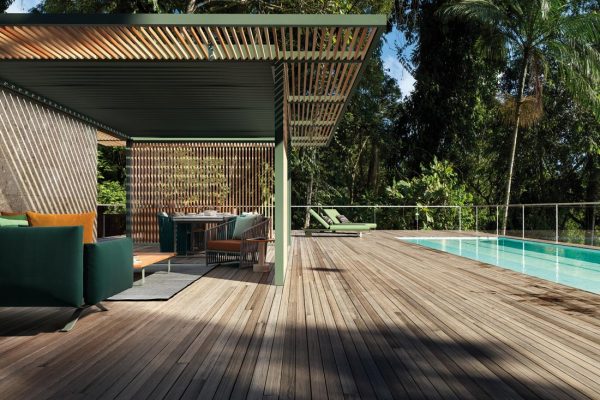
Designed by Kettal Studio, the new PH1 Pavilion series brings the typology even closer to an architectural structure. Described by the brand as a ‘skin and bone structure’ made with aluminium, the PH Pavilion offers a sheltered area of 6 x 4 metre with one-metre-wide overhang. PH1‘s aluminium structure can be paired with Kettal’s vast outdoor fabric offering, which includes more than 40 variants to suit every taste and style.
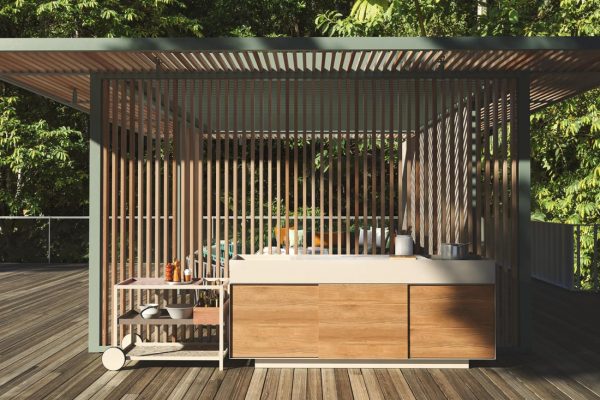
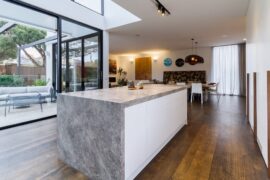
PH1 provides a generous sheltered area that can accommodate many types of outdoor furniture and activities, including cooking. Recognising the rising importance of cooking as an art form and a leisurely activity, the PH1 series includes a kitchen module.
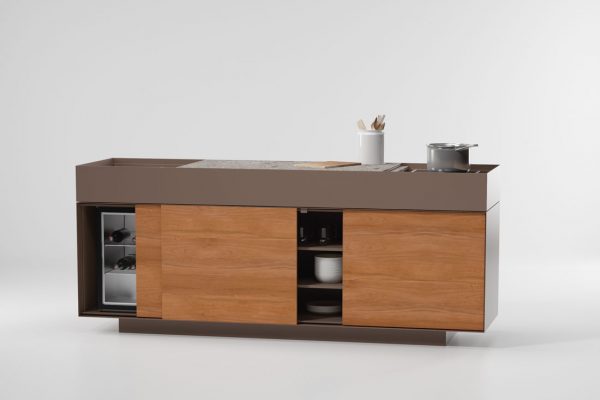
Sporting a clean-cut rectangular aluminium frame. The kitchen module’s moveable front panels are available in teak wood or aluminium while its worktop is available in teak wood, grey stoneware or white marble.
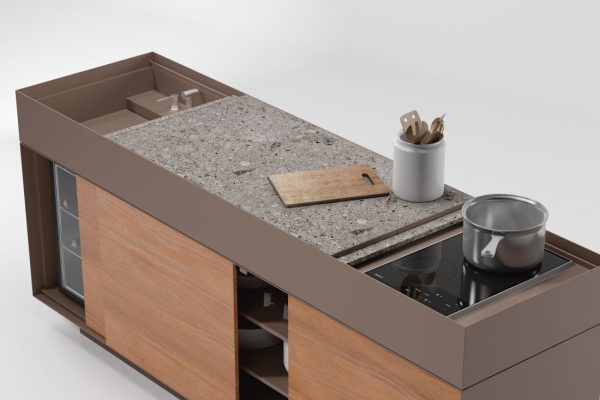
The kitchen module can be connected to the water and power line via its back panel when it’s resting against a wall, or via its base panel, when it functions as an island.
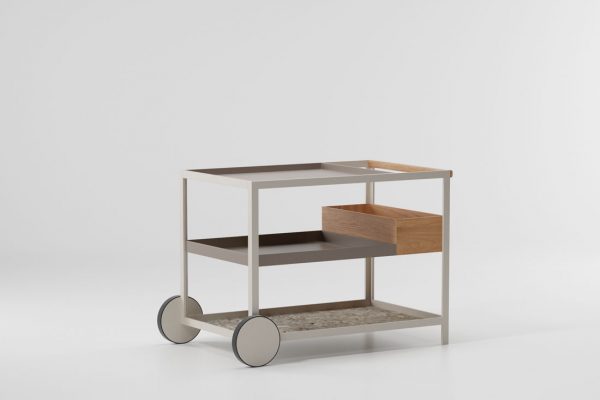
Rounding off the offering is a series of accessories ranging from storage for kitchen utensils, ceramic hob, barbecue pit, fridge, a wine cabinet, and an auxiliary trolley, which serves as a mobile support element.
INDESIGN is on instagram
Follow @indesignlive
A searchable and comprehensive guide for specifying leading products and their suppliers
Keep up to date with the latest and greatest from our industry BFF's!
The internet never sleeps! Here's the stuff you might have missed

Presented by Stormtech