The home of architecture and design in the Asia-Pacific
Get the latest design news direct to your inbox!

Get the latest design news direct to your inbox!
It’s mass produced, it’s global, it’s on-trend and it’s inexpensive. Against all odds COS has created something wonderful and in it there’s a lesson for us all.


February 21st, 2017
Since opening their doors onto London’s Regent Street in 2007, the COS fashion label has stayed true to their founding principals of re-inventing classics with modern, timeless, functional and tactile designs. In the ten years since, they have created a global presence and appeal; forged strong connections with the art and design world; and remained at the forefront of social initiatives and industry innovation.
“We are proud of how the brand has grown over the last ten years. We are pleased and humbled that our customers have continued to appreciate our approach and engage with our collections, stores and collaborative projects with the art and design world,” says Marie Honda, COS Managing Director.
To celebrate their decade-long anniversary they have released a 10-piece capsule collection of mens- womens- and childrenswear. Uniquely, each garment’s pattern is created like a jigsaw puzzle using the full width of the fabric roll, one shape deciding another, limiting any excess. The clean and considered collection is in line with the now iconic COS aesthetic.
This then begs the question should the architecture and design community be taking notes from the fashion industry? Can we do something similar? Can we at least try? Surely this wasn’t easy but an ingenious team of designers behind the COS label prove it’s far from impossible.
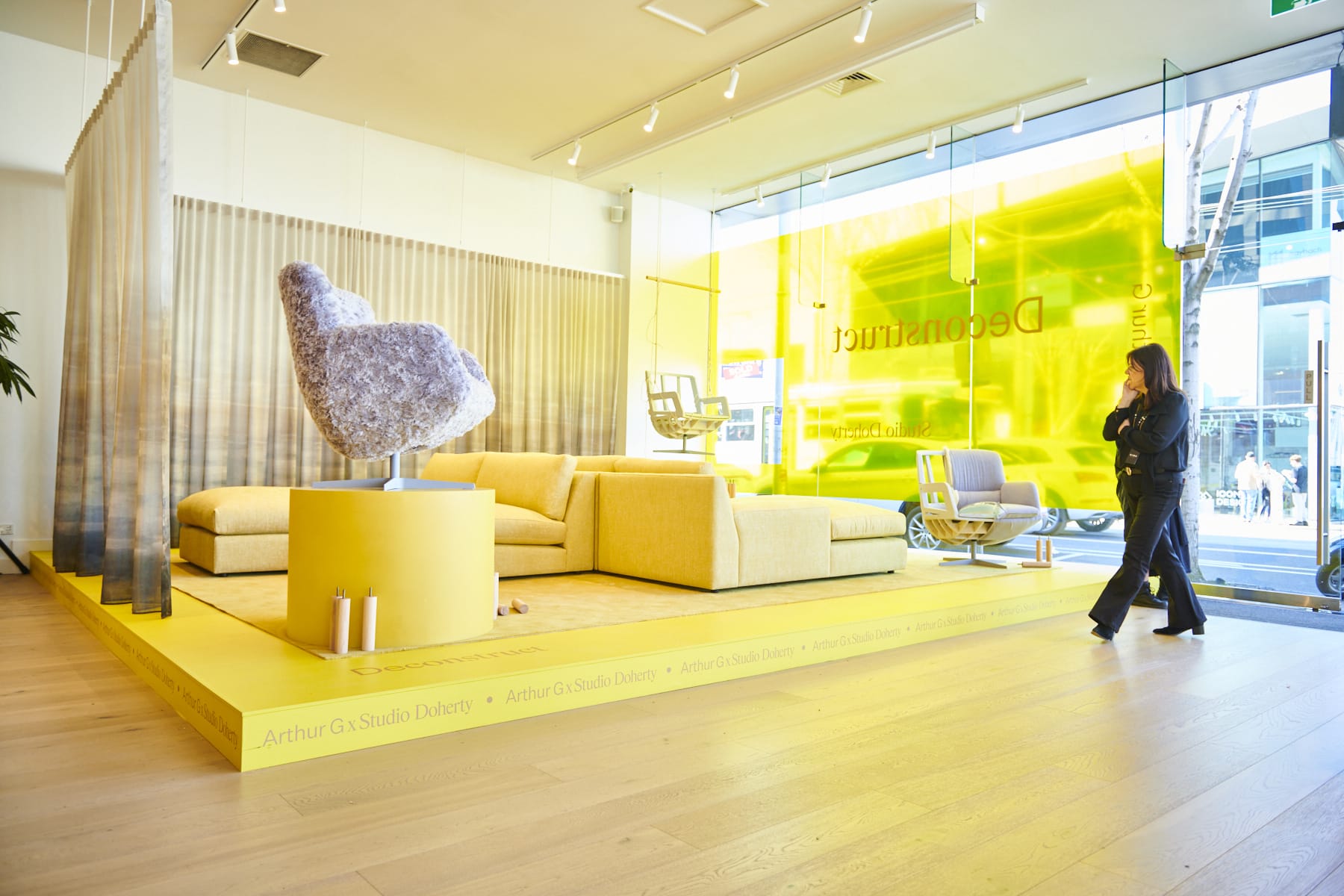
Would it be possible to create furniture without creating waste? That may seem feasible on an individual, bespoke level, but what about mass production for the masses? After all that’s exactly where the majority of waste comes from. COS did it. Let’s take it a step further to architecture. Can we look towards building homes, apartment complexes, hospitality and retail spaces – from the outside in – without leaving behind offcuts and wasted materials?
How can we repurpose this amazing and thoughtful initiative?
INDESIGN is on instagram
Follow @indesignlive
A searchable and comprehensive guide for specifying leading products and their suppliers
Keep up to date with the latest and greatest from our industry BFF's!
The internet never sleeps! Here's the stuff you might have missed