The home of architecture and design in the Asia-Pacific
Get the latest design news direct to your inbox!

Get the latest design news direct to your inbox!
With 20 years of experience building Vitra’s business here in Asia, Richard Killip, Sales Director Asia for Vitra chart’s the company’s growth in this part of the world, and tells us how the organisation has maintained its edge in a highly competitive furniture market.
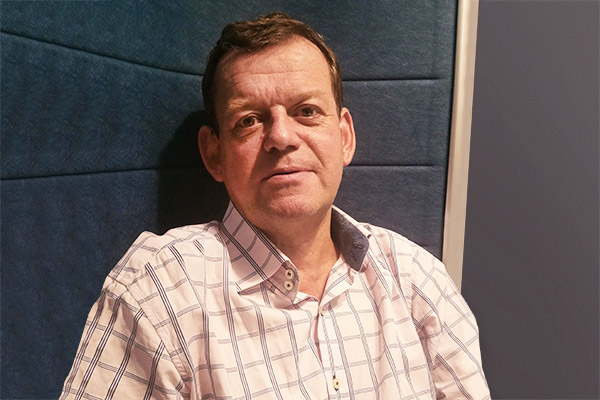
October 14th, 2015
What has it been like working for Vitra these past 20 years? And what do you see as some of your greatest achievements with the company?
The best part about working with Vitra has been experiencing the way in which the company has evolved into such a broad organisation. By this I mean our product development and also the market sectors we are now able to serve. From a personal standpoint, I feel very satisfied with the achievements of the people who work for our organisation here in Asia, along with our dealers and customers of whom I count many as good friends. Our participation in notable airport projects and more recently our strong growth in China surely count as good milestones in our development.
Can you elaborate on how you have seen the market for Vitra develop and grow in this region?
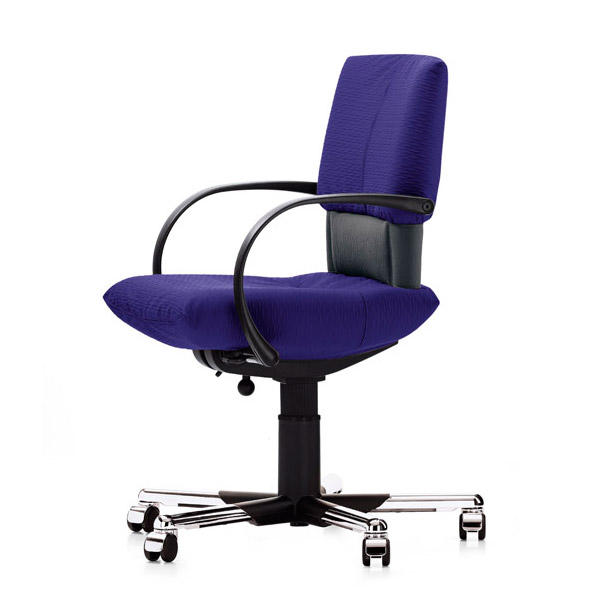
The market has developed well for Vitra because so many people in Asia now care about having a good environment to work in. Twenty years ago it was all about the Herman Miller Action Office and if we were lucky, Vitra Figura or Persona chairs. Today the market is more sophisticated, and customers expect high design and quality standards, but for a sensible price.

Vitra’s ‘Citizen office’ in Weil am Rhein, Germany
What are the important industry trends that you’ve observed in this part of the world, and how is Vitra responding to these trends?
Recent industry trends are all related to smart working, collaborative workspaces and the incorporation of technology into furniture and the workplace. In these areas, Vitra was already well placed as our product mix had already recognised the need to provide relief from working at a typical workstation; we had these types of solutions, which we had created for our own ‘Citizen office’ some years before the adoption of this type of working by so many top companies.
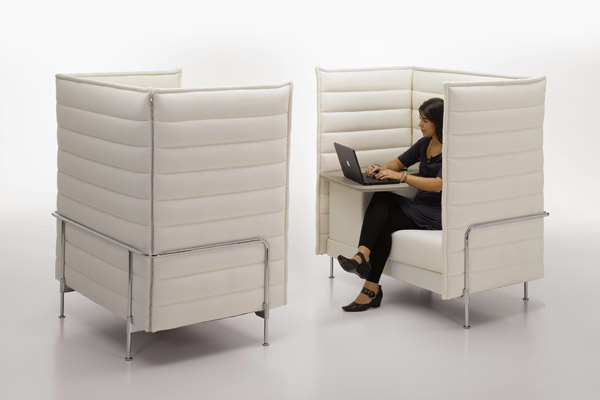
Alcove
Which products have been particularly well received in this region? And why do you think this is so?
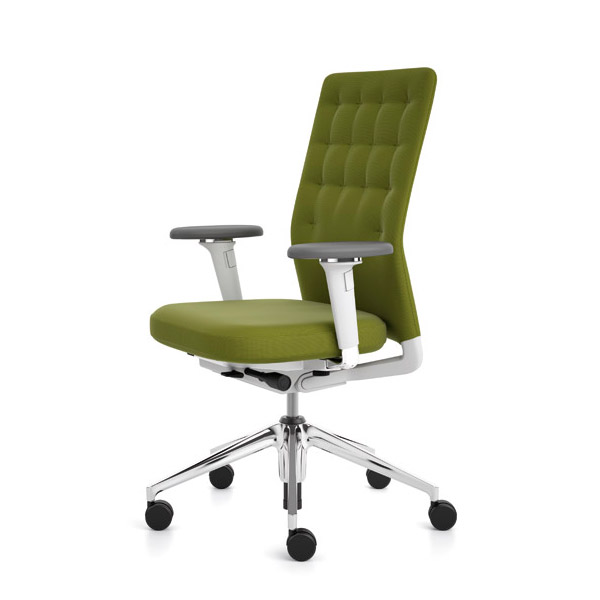
This is not such an easy question overall as the market in Asia is not at all homogenous; indeed the expectations and product successes in different countries is quite diverse. However, the perennial favourites from Vitra always do well and these include the Bouroullec’s Alcove sofa, our ID chair range and Joyn, along with the endearing Softshell chair. These products are successful because they have timeless appeal.
Which are the leading market sectors for Vitra in Asia?
For Vitra in Asia, the most important sector remains the office contract supply business. However, we are increasingly seeing opportunities to apply product solutions to the hospitality/hotel industries and Vitra has a deep desire to be much more active in the Home business, of which we have a strong history.
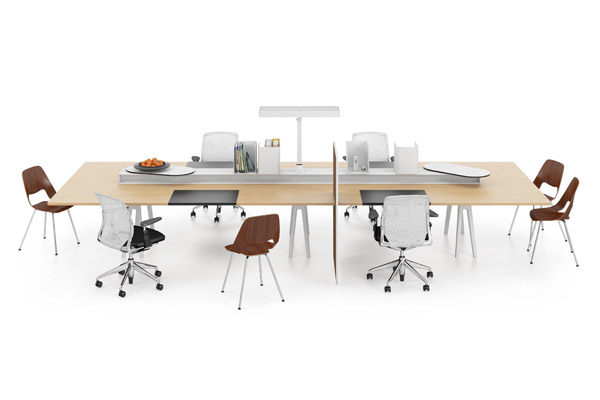
Joyn
What are Vitra’s core strengths and how does the company maintain its competitive edge in the market?
In Asia, I think Vitra’s core strength is its ability to act and adapt to local conditions in each individual country market. To that end, the vast majority of our people in the countries we sell to are locals.

(Left) Meda Pal; (right) Meda Buddy
We also have a very competitive drive to succeed and this includes being less expensive than people anticipate. For a small number of high volume products (ID Mesh, Meda Pal, Meda Buddy and Workit), we also make them at our Zhuhai factory in China, which gives us a competitive edge, both in terms of price and lead time. This is no OEM; this is a 100 per cent Vitra owned and operated facility, like a small slice of our factory in Germany.
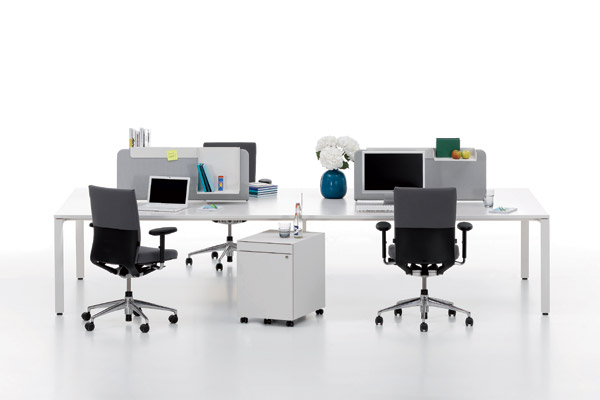
Workit
What can we expect from Vitra in the near future?
Vitra will continue to be a huge innovator and creator of new furniture products for the office. We’ll also maintain our new initiatives to drive the Home, Airport/lounge and Hospitality sectors, ensuring we all have plenty to do!
Vitra
vitra.com
INDESIGN is on instagram
Follow @indesignlive
A searchable and comprehensive guide for specifying leading products and their suppliers
Keep up to date with the latest and greatest from our industry BFF's!
The internet never sleeps! Here's the stuff you might have missed