The home of architecture and design in the Asia-Pacific
Get the latest design news direct to your inbox!

Get the latest design news direct to your inbox!
From furniture designer John Kelly, Seven Easy Pieces gives rise to a long-overlooked material and a new star of the furniture industry in the east.

May 13th, 2020
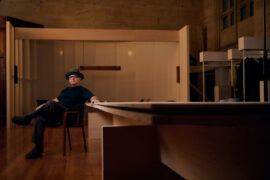
When it comes to his life and career as a designer, John Kelly has always been an intrepid spirit. “You have to believe that your designs are going to make the world a better place – and be able to convince your customers of your ideas,” the furniture designer and licensed architect professes. The way he sees it, no good design comes without a healthy share of compromise and resistance. Compromise, on account of not designing solely for oneself, but designing to address the needs of a wider market; and resistance, on account that it is integral to innovation. And with internationally acclaimed brand names such as Calvin Klein, Hinoki Kagu, and Koda dotted throughout his design portfolio, its evident his valiance has thus far paid off.
Being the stalwart designer he is, it only seems right that John uses his eponymous furniture design title, John Kelly Furniture, to champion a brave new world of furniture design. His latest endeavour – humbly named Seven Easy Pieces – gives rise to a long-misunderstood material and a new star of the furniture industry in the east.
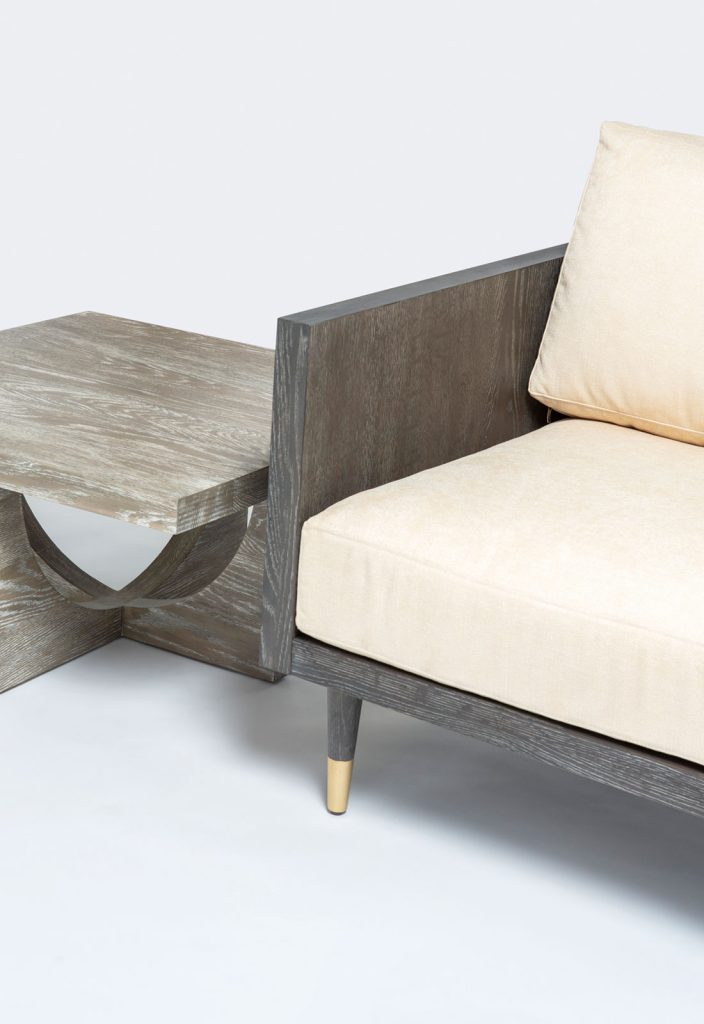
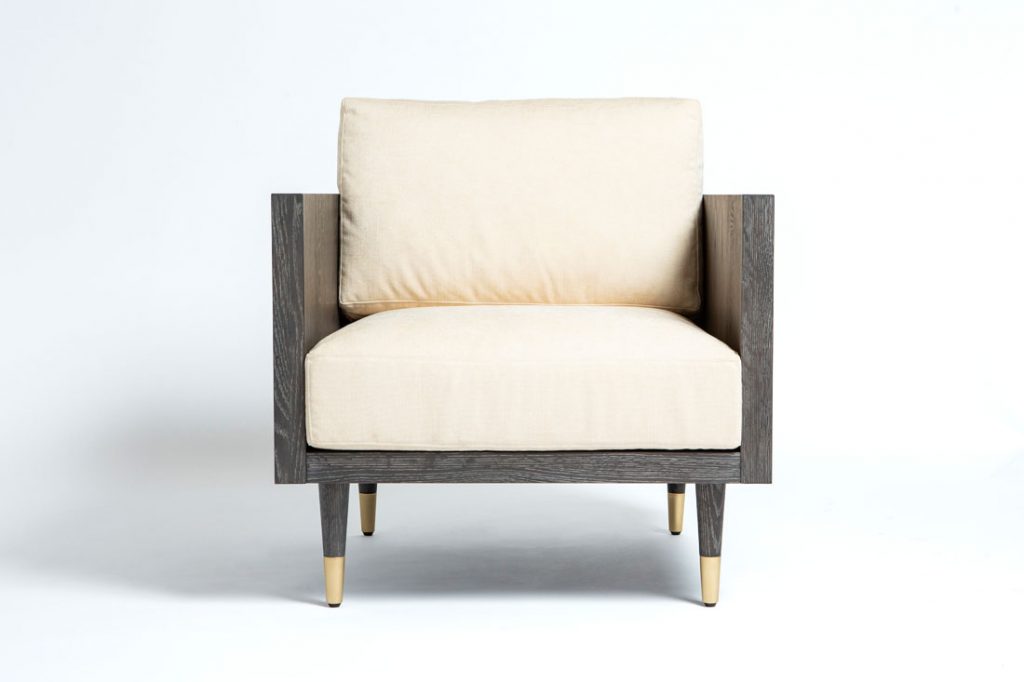
The genesis of Seven Easy Pieces came from a seemingly simple design brief from the American Hardwood Export Council: to create a living room collection of solid American red oak. Accounting for twenty percent of the forest in the United States, red oak is the most abundant and cost-efficient timber species native to the Land of the Free. Though conversely, it is far from the most popular. “For the past few years, American white oak and walnut have been particularly in vogue,” says John, citing that these two hardwoods are specified for nearly eighty-five percent of his projects.
“I think that most designers always have the same initial reaction to red oak,” John muses, “they think it will be very red when in fact the name comes from the colour of the leaves in fall. The preconception is that white oak is more neutral and allows for more finishing options.” Inherently programmed to challenge the status quo, John Kelly Furniture set out to rewrite the narrative of American red oak.
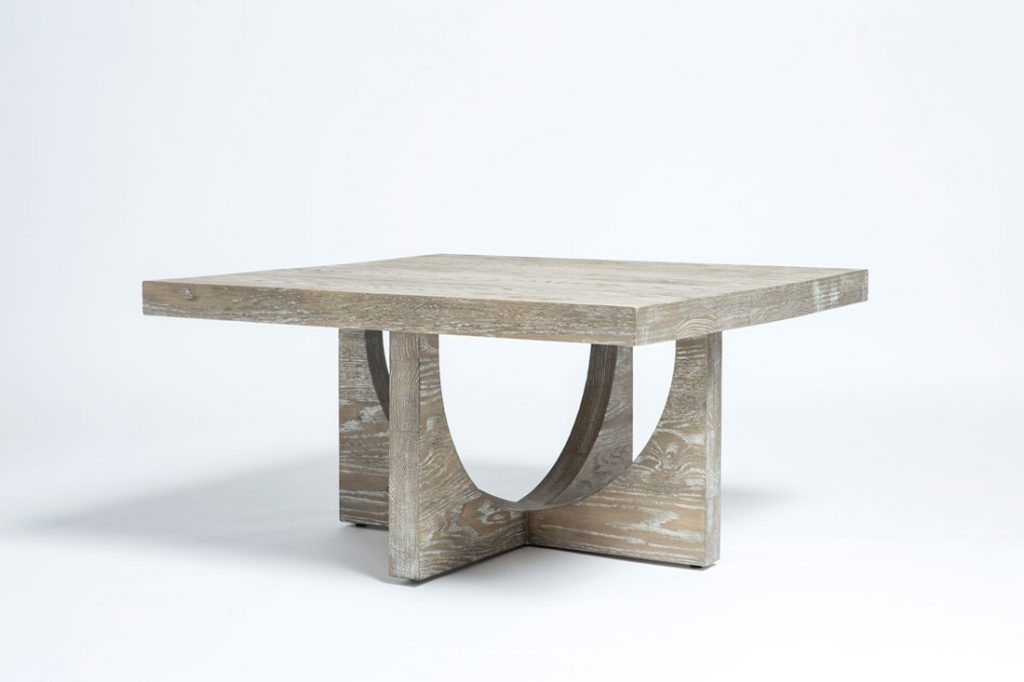

Inspired by the architecture of Louis Kahn and the art of Donald Judd; designed by John Kelly; and manufactured in Vietnam, Seven Easy Pieces is a minimalist collection of seven inexpensive, contemporary and versatile furniture pieces – available in shades of red oak previously undiscovered. “I decided that my approach would be all about finishing,” John explains, “If I want to change the perception of American red oak, I need to show what is possible; so I developed four ceruse finishes in grey, brown, tan and green grey that I also think will be very well received by the commercial furniture market.”
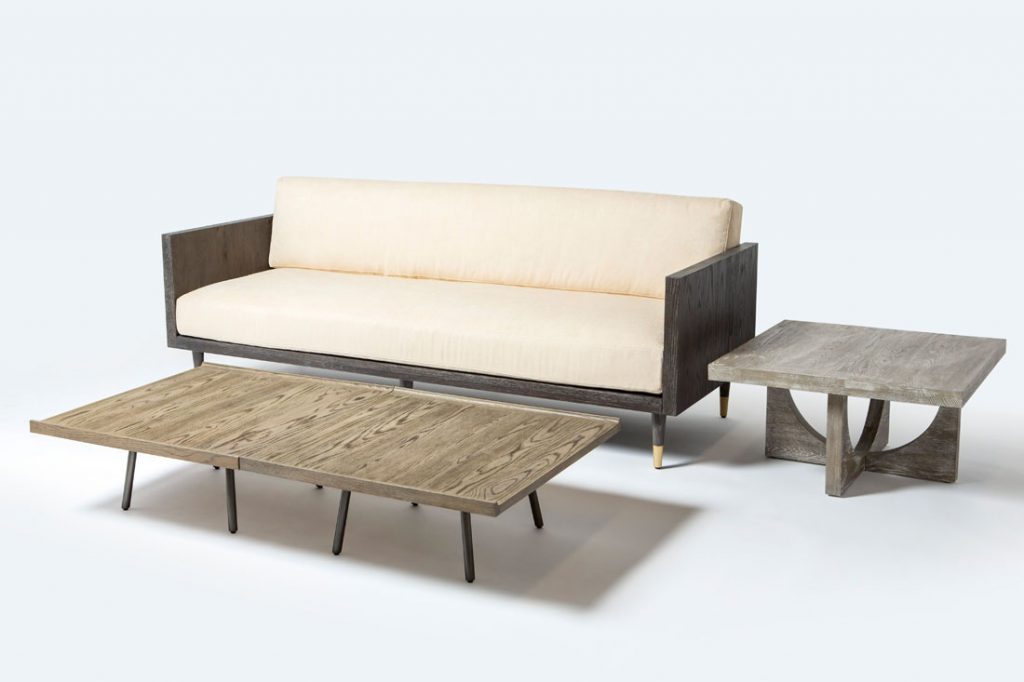
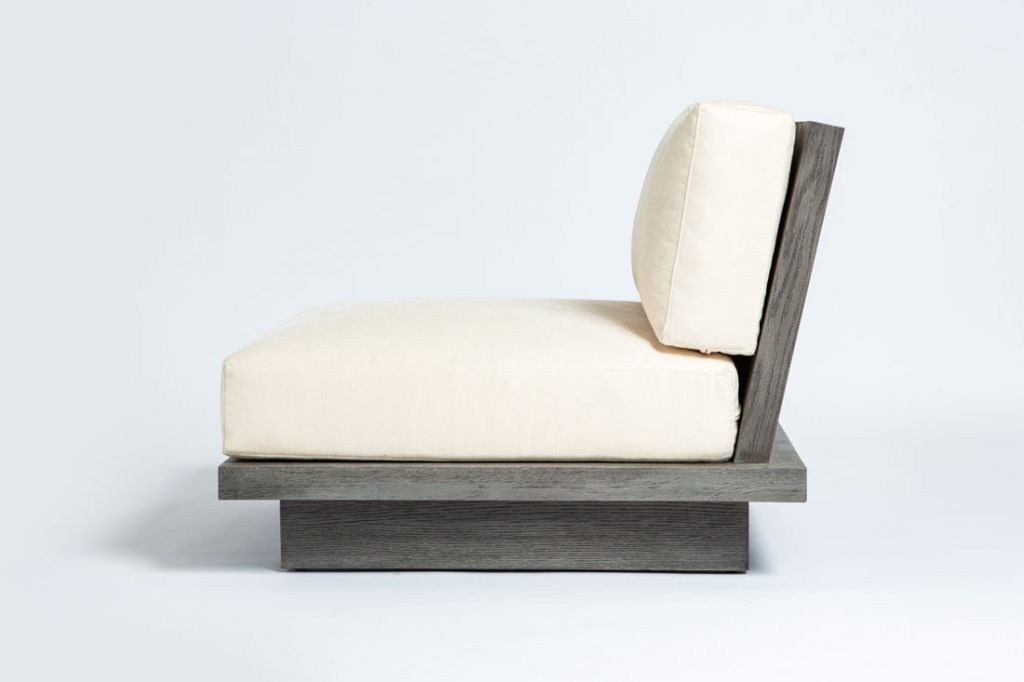
Seven Easy Pieces is brought to life by the skilled hands of Vietnamese manufacturer, whose high-brow calibre and collaborative approach to production is evident in the quality of the final pieces.
“Because Seven Easy Pieces is such a minimal collection, it is not expensive to produce; and because the finishes are so neutral and contemporary, I think there is a broad range of applications for these products in the commercial markets,” says John, “not only in terms of residential and hospitality; but also, in terms of both indoor / outdoor applications.”

INDESIGN is on instagram
Follow @indesignlive
A searchable and comprehensive guide for specifying leading products and their suppliers
Keep up to date with the latest and greatest from our industry BFF's!
The internet never sleeps! Here's the stuff you might have missed