The home of architecture and design in the Asia-Pacific
Get the latest design news direct to your inbox!

Get the latest design news direct to your inbox!
When we think about ‘seating’, we often think of an object: something tactile and physical. Yet when we think about ‘sitting’, we think about an organic action, comfort, and relaxation. Haworth’s Fern chair reworks traditional design with a focus on sitting, rather than seating.

June 22nd, 2016
German design studio, ITO Design, collaborated with Haworth to create the new, innovative Fern chair – an unconventionally designed chair that emphasises visual aesthetics and ergonomic performance.

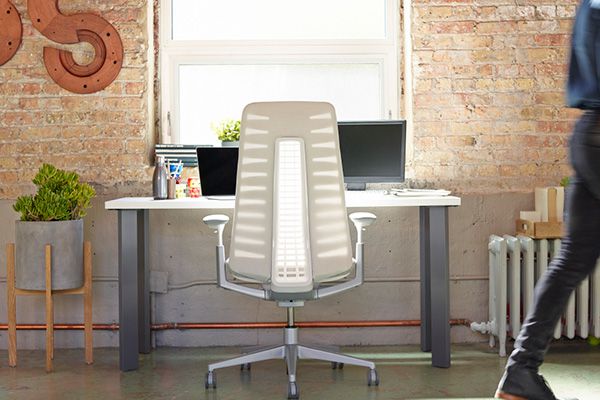
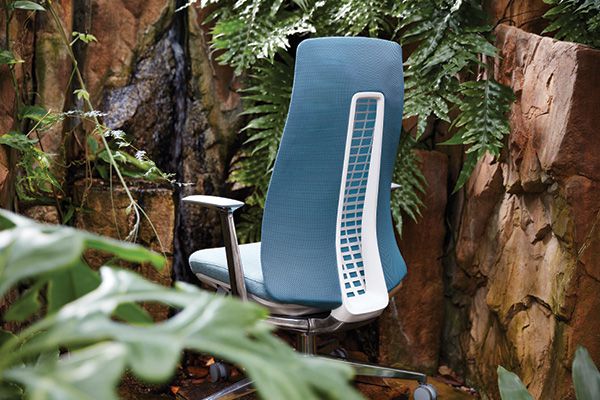
On first impression, the most striking difference between the Fern chair and conventional workspace chairs is the lack of obviously visible suspension architecture. Instead of multiple levers jutting out from under the seat base, the shape of the Fern chair is seamless and clean, with all of its thoroughly researched support features integrated into the body of the chair itself.
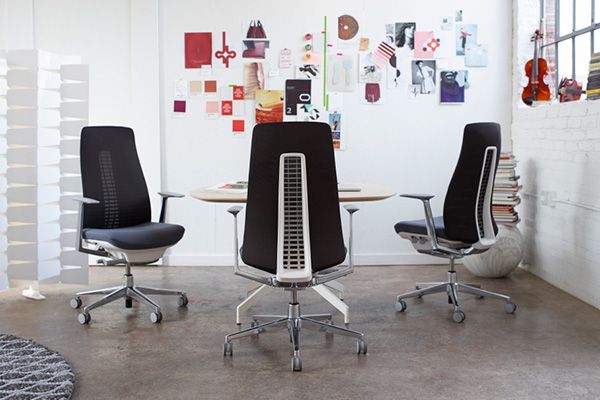
In the devising of the Fern chair, Haworth and ITO Design concentrated on the idea that with the development of the versatile modern workspace, there was a need for seating that was adaptable to a variety of different environments, and provided structure and support, with only the latter being felt. Keeping these ideas in mind, they devised the idea of inverting traditional seating design: the Fern chair’s dimensional suspension is concealed, like an endoskeleton, resulting in a graceful profile that suits countless workspace environments.

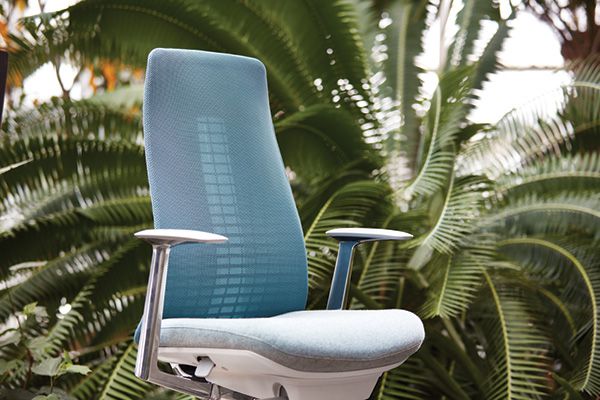
As the Fern chair’s name suggests, the chair’s structure and design playfully references plants and organic nature. The centered structure of the chair is comprised of an innovative suspension system called Stem, and the central loop spine supports an array of ‘Fronds’ fanning out of the spine. Each Frond has been calibrated to provide support to different areas of the back, resulting in total back support from the thoracic, to the lumbar, and the pelvic areas. Imitating the Frond design of the back of the Fern chair, the chair’s seat also has fronds that provide built-in flexibility and ergonomic comfort.
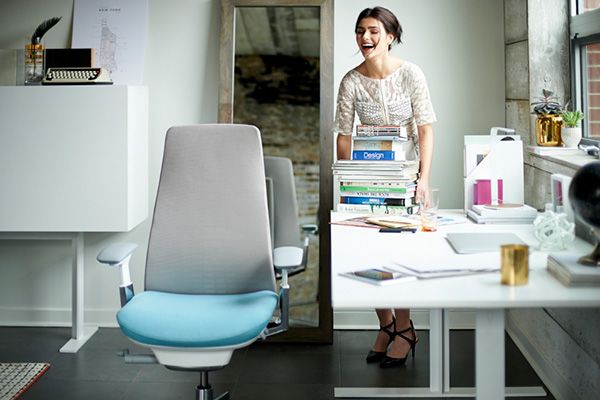
Haworth’s Fern chair promises to herald a new way of thinking about seating in the workplace environment, with its innovative structure, and dedication to the comfort of ‘sitting’ working harmoniously with Haworth’s dedication to aesthetic design and ergonomic performance in seating.
Haworth
ap.haworth.com
INDESIGN is on instagram
Follow @indesignlive
A searchable and comprehensive guide for specifying leading products and their suppliers
Keep up to date with the latest and greatest from our industry BFF's!
The internet never sleeps! Here's the stuff you might have missed