The home of architecture and design in the Asia-Pacific
Get the latest design news direct to your inbox!

Get the latest design news direct to your inbox!
Renowned architect Peter Marino has launched a new book that details the coming together of art, design and retail. Christie Lee writes.
August 23rd, 2016
Top image: Allan Mccollum
Purveyors of luxury goods are likely to have come across one of Peter Marino’s designs. Ever since he broke into the scene in the late 1970s, the famed New York-based architect and designer has designed a slew of luxury stores, including the Louis Vuitton and Dior stores in London, Hublot’s Fifth Avenue boutique and the Chanel store in Osaka.
Peter Marino’s latest book, titled Peter Marino: Art Architecture
Published by Phaidon, the designer’s latest book, Peter Marino: Art Architecture, tackles the symbiotic relationship between art, design and retail.
The 240-page tome is not Marino’s first attempt at addressing the relationship between art and design. Long before being dubbed by New York magazine as the ‘leather daddy of luxury’, Marino was a member of the New York art scene during the ’70s and ’80s. Earlier this year, he curated an exhibition of Robert Mapplethorpe’s photography at Galerie Thaddeus Ropac in Paris.
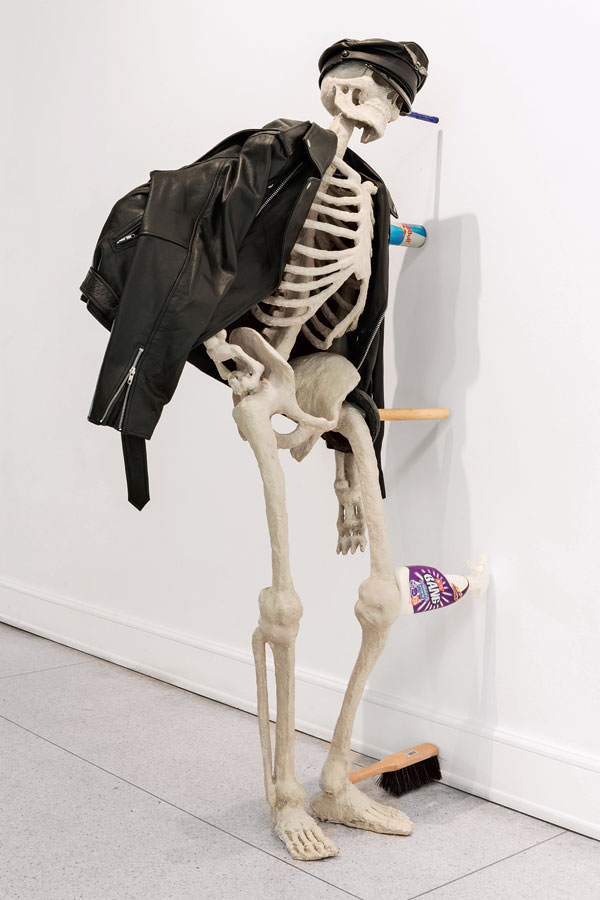
Erwin Wurm
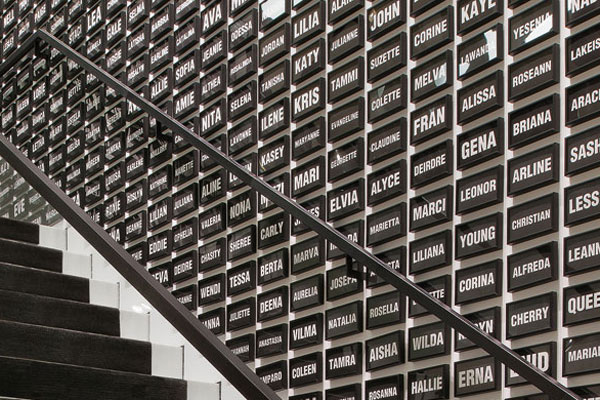
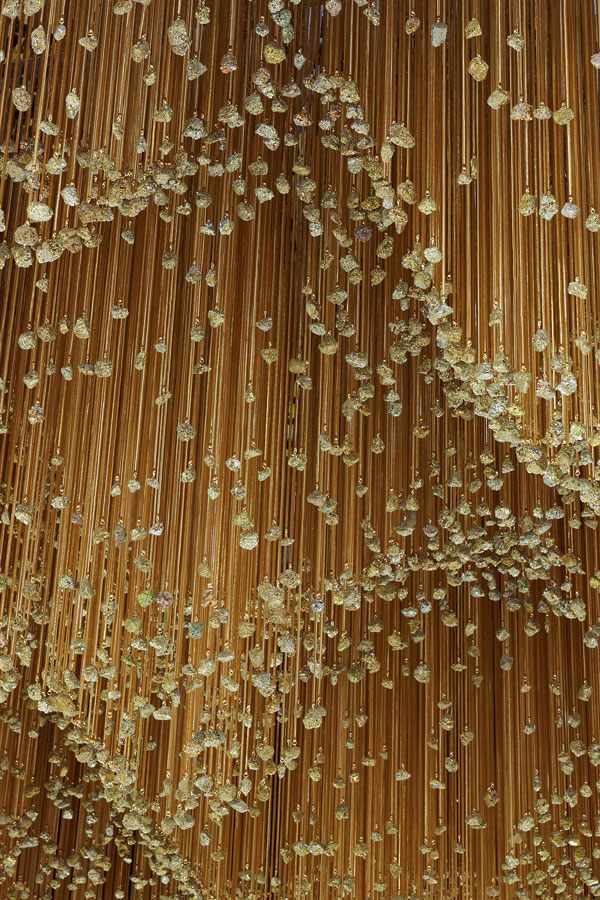
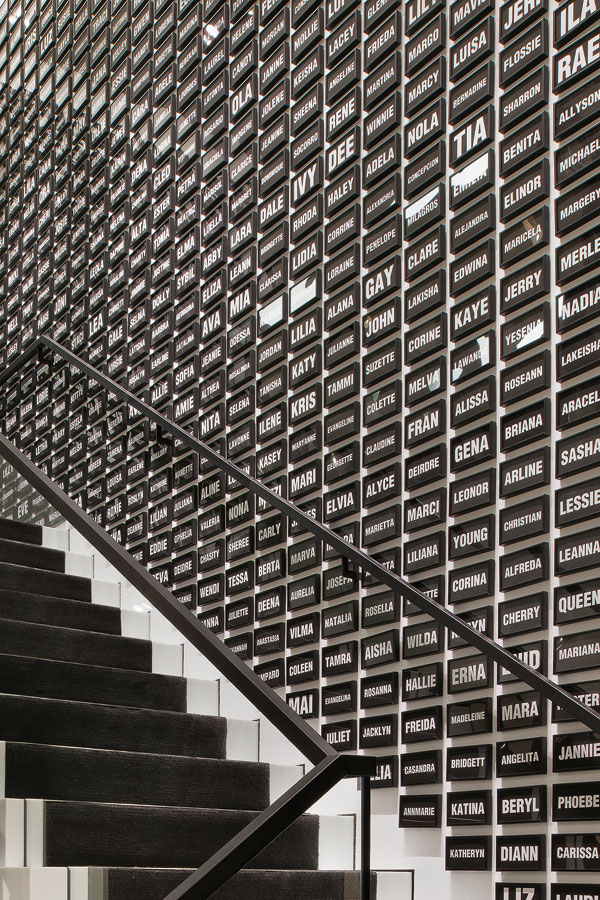
As the designer behind Andy Warhol’s upper east side townhouse in 1978, Marino is regarded as one of the first architects to understand the ever expanding landscape of art patronage, and to incorporate that into his projects. Consider the dramatic Yellow Mountains that the architect commissioned Teresita Fernandez for the Louis Vuitton store at Plaza 66 in Shanghai, or Allan Mccollum’s evocative One Thousand Female Names at the Chanel boutique on Sloane Street in London.
Teresita Fernandez
Peter Marino: Art Architecture is divided into chapters, each detailing a creative collaboration between Marino and an artist. Featuring artwork images, candid behind-the-scene shots and illustrations, the book documents 37 commissions – an impressive number in itself, yet it only comprises a small portion of the 250 commissions that the architect has masterminded over the last 30 years.

Johan Creten
Writer Brad Goldfarb was enlisted to pen the accompanying text, which includes anecdotes from Marino and the artists. The foreword was written by art consultant Gay Gassmann.

Antoine Poncet
Featured artists include Robert Greene, Arturo Herrera, Jean-Michel Othoniel, Beth Katleman, Tim Hailand, Claude Lalanne, Jiri Georg Dokoupil, Erwin Wurm, Francois- Xavier Lalanne, Allan McCollum, Gregor Hildebrandt, Guy Limone, Pae White, Idris Kahn, Johan Creten, Lionel Esteve, Farhad Moshiri, David Wiseman, James Turrell, Michal Rovner, Richard Deacon, Rashid Rana, Peter Rogiers, Rob Wynne, Qui Zhijie, Sol Lewitt, Teresita Fernandez, Y.Z. Kami, Timothy Horn, Vik Muniz, Wim Delvoye, Antoine Poncet, John Armleder, Peter Schlesinger, Jesus Rafael Soto, Antony Gormley, and Keith Haring.
Peter Marino Architect
petermarinoarchitect.com
INDESIGN is on instagram
Follow @indesignlive
A searchable and comprehensive guide for specifying leading products and their suppliers
Keep up to date with the latest and greatest from our industry BFF's!
The internet never sleeps! Here's the stuff you might have missed