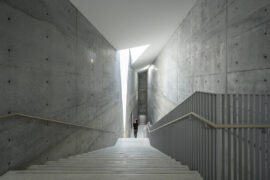
The home of architecture and design in the Asia-Pacific
Get the latest design news direct to your inbox!

Get the latest design news direct to your inbox!
Benesse Art Site Naoshima, which refers to the activities held on the group of islands in the Seto Inland Sea region, is home to a collection of some of the world’s most inspiring art, architecture and outdoor sculptures. Visiting Benesse Art Site Naoshima is akin to a spiritual experience; the synergy between art, nature and architecture is exquisite. Text by Future Space’s Founder Stephen Minnett and MD Angela Ferguson.

January 27th, 2015
Top image: “Pumpkin” by Yayoi Kusama. Photo: Osamu Watanabe
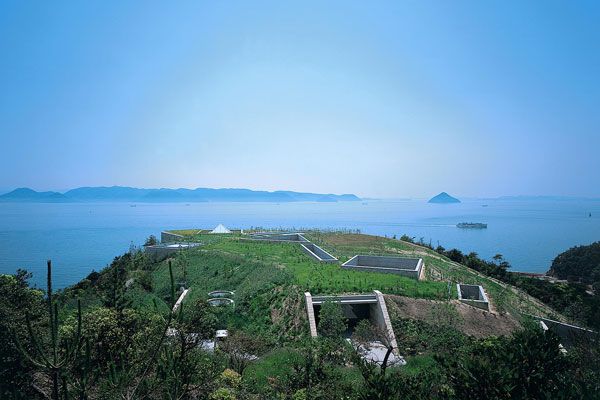
Chichu Art Museum. Photo: FUJITSUKA Mitsumasa
The island with the biggest population in the Benesse group is Naoshima which has a bounty of art and architecture. In addition to the building structures there are numerous outdoor artworks including “Pumpkin” completed in 1994 by Japanese artist Yayoi Kusama who is also famous for her Louis Vuitton window displays shown in 2012. The other islands that are part of Benesse Art Site Naoshima are Teshima in Kagawa Prefecture and on Inujima in Okayama Prefecture. These two island also house important art and architecture activities.
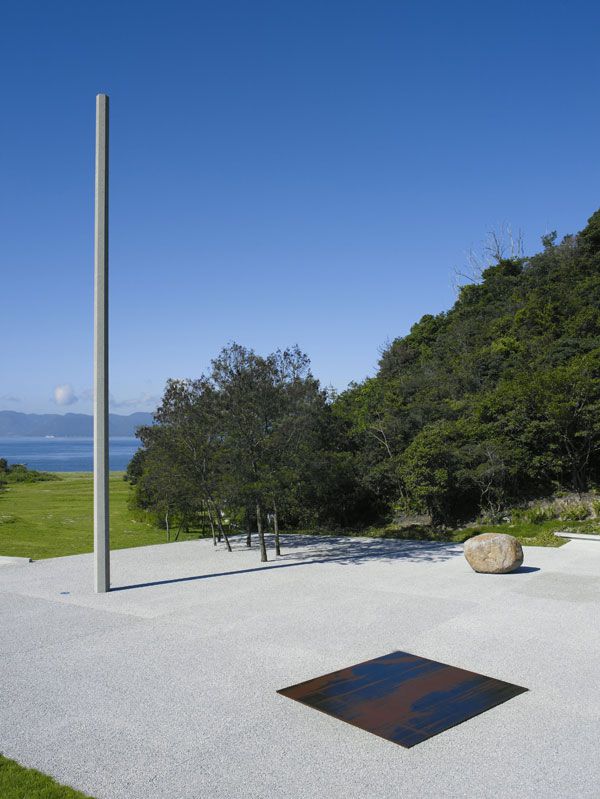
Lee Ufan Museum. Photo:Tadasu Yamamoto
The Benesse Art Site Naoshima is the brainchild of Soichiro Fukutake, Executive Advisor of Benesse Holdings Inc and Chairman of Fukutake Foundation. Soichiro Fukutake at the age of 40 relocated to the Okayama prefecture from Tokyo when his father died. As he spent more time in Naoshima he saw that there was significant Japanese heritage and local environment that needed to be preserved.
His idea was that contemporary art along with a connection to nature would reinvigorate the villages on Naoshima, Teshima, Inujima as well as provide an experience of nature that many people living in Japan’s biggest cities were missing. Fukutake’s motto is “use what exists to create what is to be”.
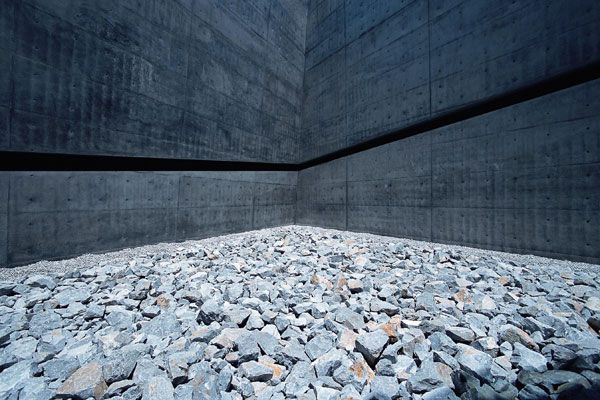
Chichu Art Museum. Photo: FUJITSUKA Mitsumasa
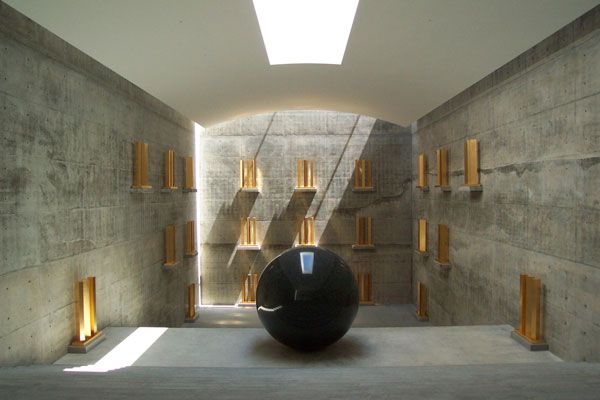
Michael Kellough, Walter De Maria ‘Time/Timeless/No Time’ 2004. Photo: Michael Kellough
One of the most significant ways that the local villages have been reinvigorated is via the ongoing site specific Art House Project. This project not only restores original structures but transforms them into artworks that act as a tribute to the original owner/s.
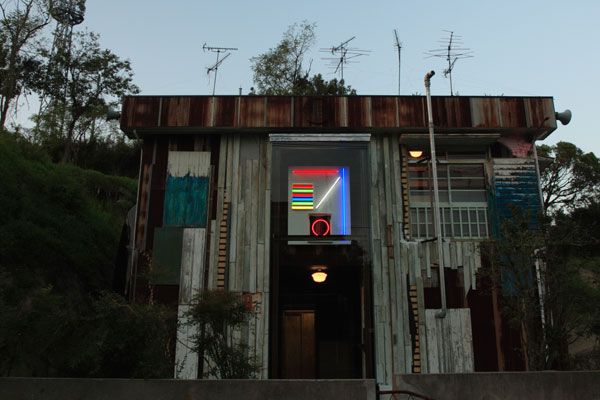
Art House Project “Haisha” Shinro Ohtake"Dreaming Tongue/ BOKKON-NOZOKI". Photo: Osamu Watanabe
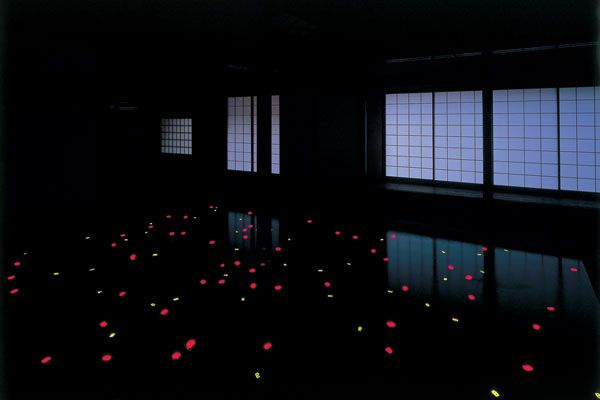
Art House Project “Kadoya” Tatsuo Miyajima"Sea of Time ’98″. Photo: Norihiro Ueno
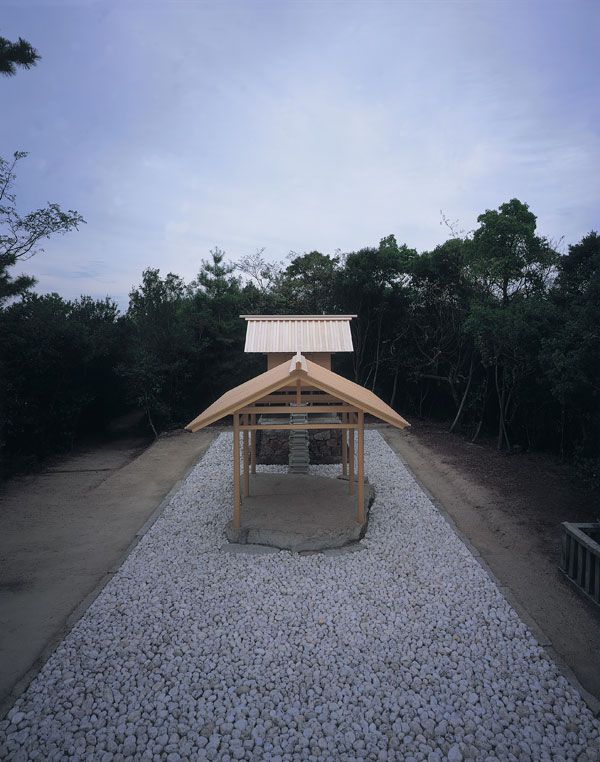
Art House Project “Go’o Shrine” Hiroshi Sugimoto “Appropriate Proportion”. Photo: Hiroshi Sugimoto
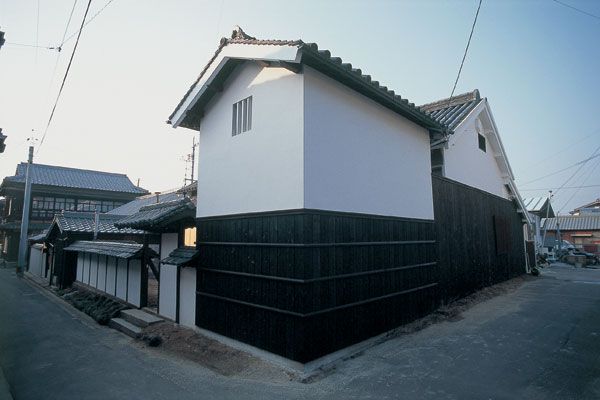
Art House Project “Kadoya” . Photo: Norihiro Ueno
To see everything on all three islands, at least three full days would be necessary (there are hotels and guest houses on the island of Naoshima) and guests could easily spend a very relaxed week in the region. Our visit was a day trip where we managed to see Benesse House Museum, Chichu Art Museum, Lee Ufan Museum, numerous outdoor artworks and of course the iconic “Pumpkin”. To get to these sites we travelled through the local area, which, due it its physical isolation, has some of the finest examples of original Japanese domestic architecture that can be found.
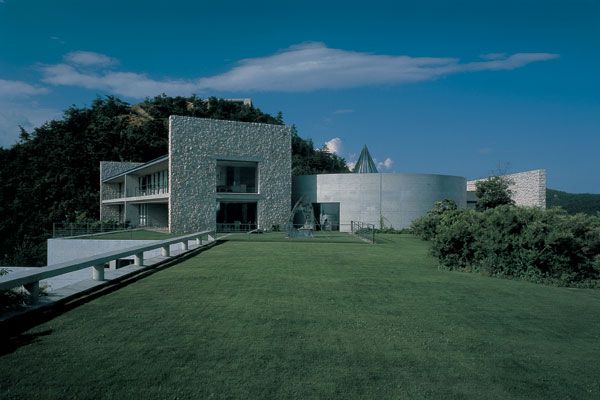
Benesse House. Photo: Tadasu Yamamoto
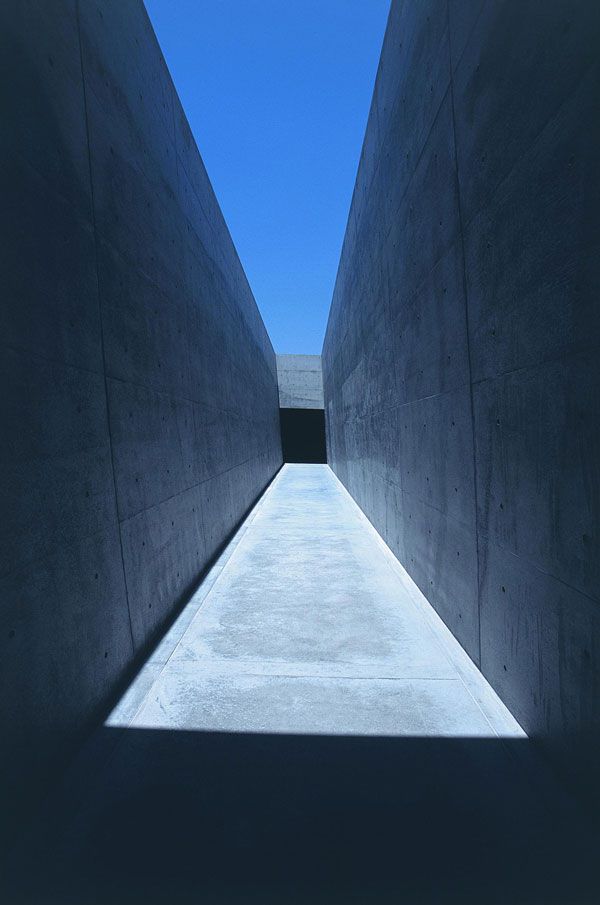
Chichu Art Museum. Photo:FUJITSUKA Mitsumasa
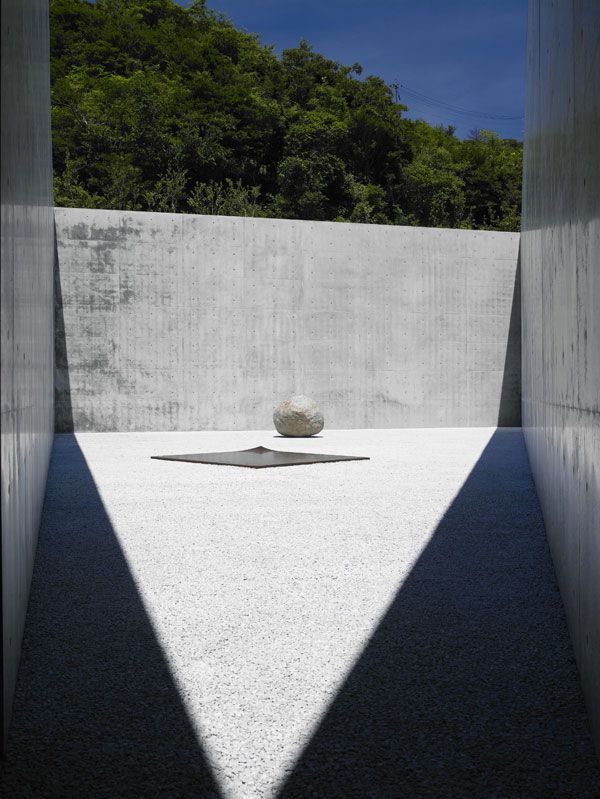
Lee Ufan Museum. Photo:Tadasu Yamamoto
The architecture of Naoshima is incredible. Tadao Ando is a hero of the region and the three aforementioned buildings are all his; it is hard to describe just how privileged we felt to spend so much time experiencing his work. The artworks that these buildings house are also a veritable ‘who’s who’ of the art world including James Turrell, Walter de Maria, Cy Twombly, David Hockney and Richard Long, just to name a few. The Lee Ufan Museum is entirely dedicated to the Korean born contemporary artist.
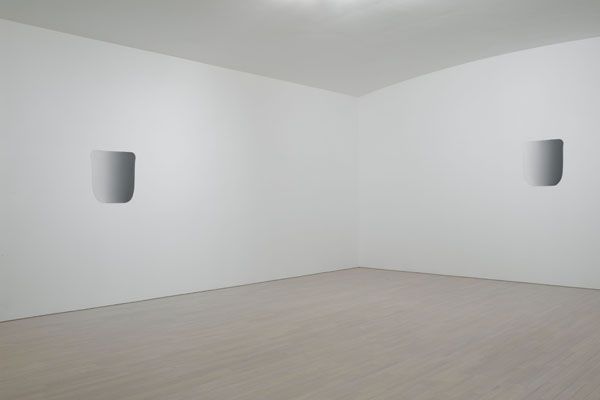
Lee Ufan ‘Dialogue’ (2010). Photo:Tadasu Yamamoto
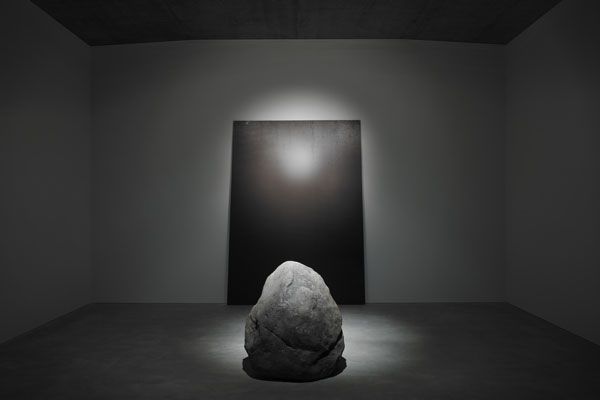
Lee Ufan ‘Relatum-Silence’ (2010). Photo:Tadasu Yamamoto
What struck me the most is that every building and every outdoor artwork is dedicated to the experience of art; simply hanging a painting is not good enough. Monet’s Water Lilies are displayed in a warm room on a white marbled mosaic floor that requires special slippers to be worn. Walter De Maria’s Time / Timeless /No Time requires silence and commands reverie as you ascend the steps and the connection to the outdoors is never forgotten, no matter how far underground you may be.
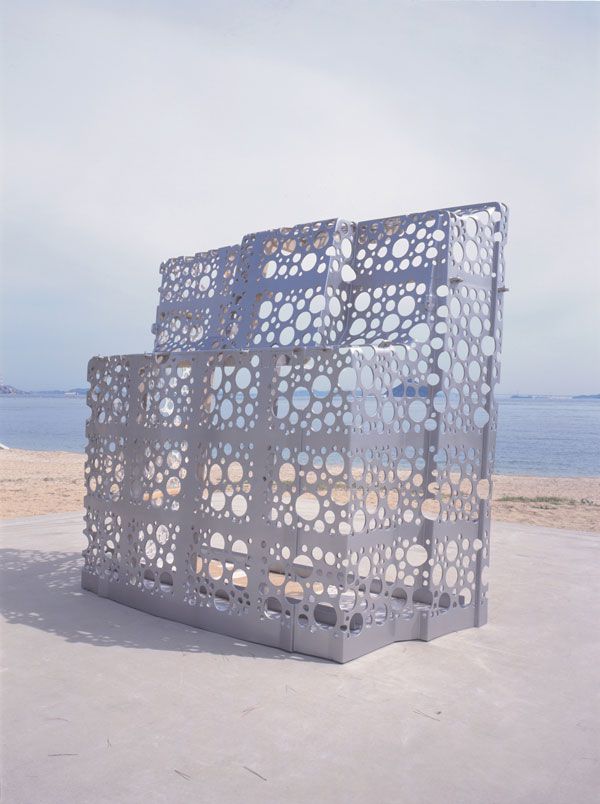
Shinro Ohtake “Shipyard Works “Stern with Hole”". Photo: Koji Murakami
Reminders that the island owes its living predominantly to fishing are also never far away; the sea is always in view with its constant flurry of fishing boats and visions of seaweed farms and fishing wiers. Although our time at Benesse Art Site Naoshima was not nearly long enough, the experience was extraordinary on every level, and I am left wondering just how soon I can get back there for more.
Benesse Art Site
benesse-artsite.jp
INDESIGN is on instagram
Follow @indesignlive
A searchable and comprehensive guide for specifying leading products and their suppliers
Keep up to date with the latest and greatest from our industry BFF's!
The internet never sleeps! Here's the stuff you might have missed