The home of architecture and design in the Asia-Pacific
Get the latest design news direct to your inbox!

Get the latest design news direct to your inbox!
Engaging and energising, sensitive and bold – the Tasmanian Architecture Awards are characterised by outstanding educational facilities and unique houses.
June 23rd, 2011
The Australian Institute of Architects’ Tasmanian Architecture Awards were announced on Saturday 18 June, with educational facilities making up the majority of entries.
“The projects re-order and revamp existing buildings and engage and energise their surroundings,” said the jury of this year’s nominations.
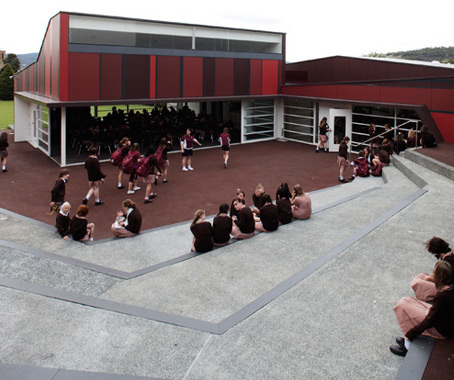
The highest honour, the Alan C Walker Award for Public Architecture, went to Liminal Studio (formerly Forward Brianese & Partners) for the Ogilvie High School Student Learning Centre.
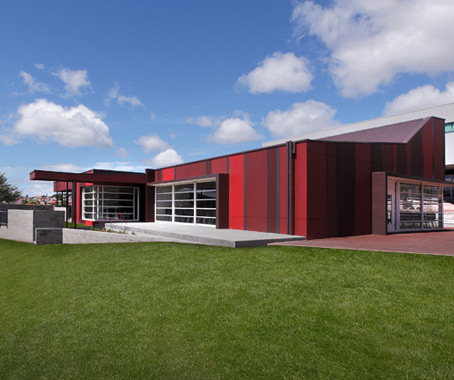
The jury praised the project for “delivering new life and creating a centre for the school, while symbolising contemporary teaching and learning.”
Morrison & Breytenbach were double winners for the Tarremah Hall at Tarremah Steiner School, taking out the Public Architecture and Sustainable Architecture Awards.
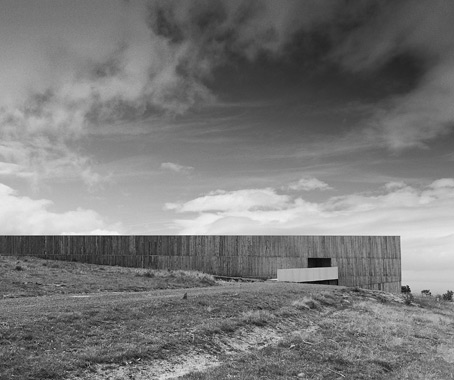
“The monolithic macrocarpa hall is a single sculptural element, robust and muscular in expression,” said the jury.
“The internal spaces are warm and engaging being totally clad in plywood, giving an enveloping and nurturing ambience to what otherwise is an extremely large volume.”
The Esmond Dorney Award for Residential Architecture went to Room 11 for the Allens Rivulet House 2, honoured for its “unyielding grid and contradictory spaces.”
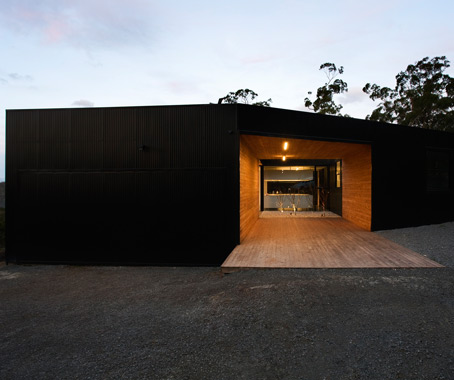
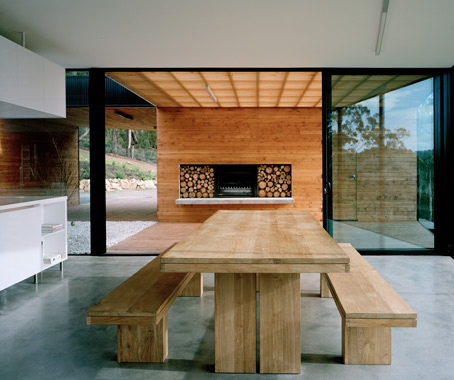
Room 11’s Little Big House took out the Small Project Architecture Award.
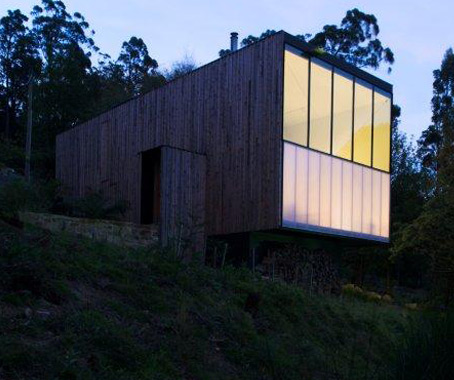
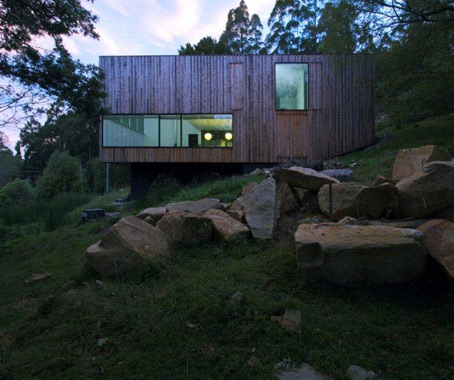
Preston Lane Architects were awarded the Roy Sharrington Smith Award for Heritage and a Residential Architecture Alterations and Additions Award for Mount Pleasant House.
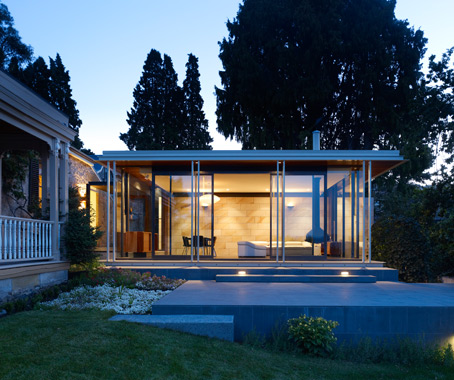
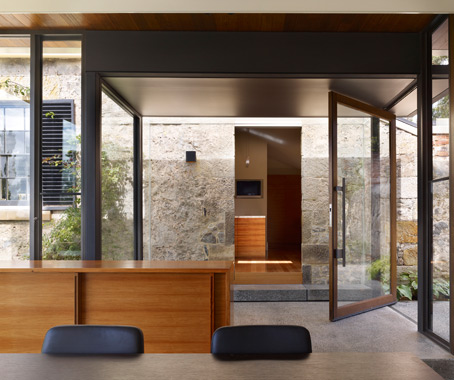
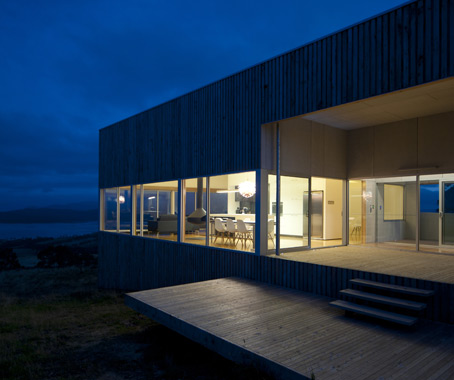
The People’s Choice Award went to Marion Bay House by 1 + 2 Architecture.
Australian Institute of Architects
architecture.com.au
INDESIGN is on instagram
Follow @indesignlive
A searchable and comprehensive guide for specifying leading products and their suppliers
Keep up to date with the latest and greatest from our industry BFF's!
“InterfaceFLOR are proud to present this exclusive opportunity to hear first-hand from the man named ‘the most visionary figure in American business today’! Ray Anderson will uncover the true rewards that rewriting the rules can bring.
MCA Foundation Hall, Level 1, Museum of Contemporary Art West Circular Quay, The Rocks, Sydney NSW 2000
Thursday 4th September
5:30pm arrival for a 6pm start
Tickets are $40 and include a complimentary drink on arrival
To register visit www.nextrevolution.com.au
The internet never sleeps! Here's the stuff you might have missed