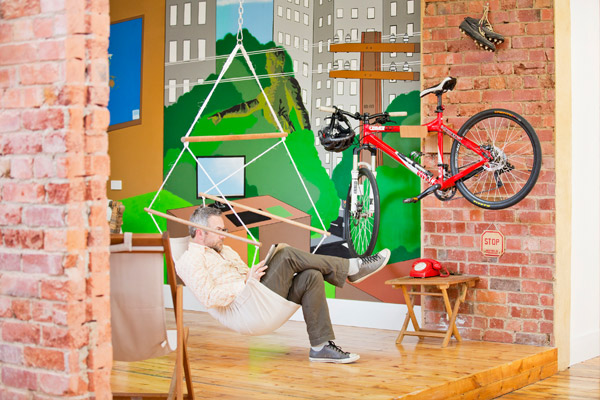
Co-working spaces, like those offered by Hub Australia which now has ‘Hubs’ in Sydney, Melbourne and Adelaide, are proving immensely popular with small business owners, freelancers and entrepreneurs seeking to connect with and learn from like-minded souls.
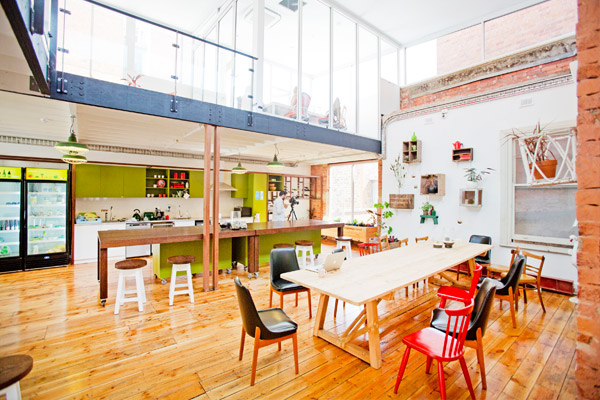
Hub Adelaide
Hub Australia chief executive Brad Krauskopf attributes the network’s success to the procreation of a co-working community and the company’s understanding of the needs and wants of those working in a collaborative environment.
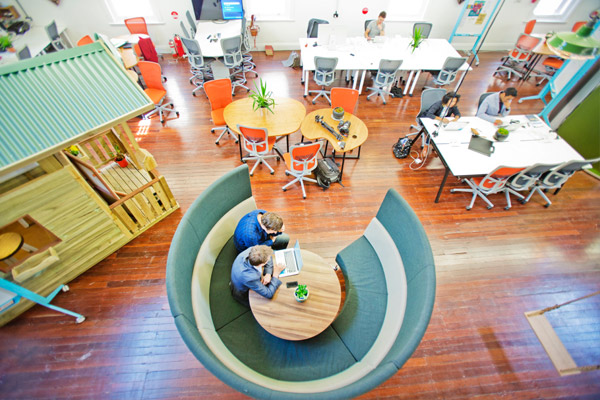
Hub Adelaide
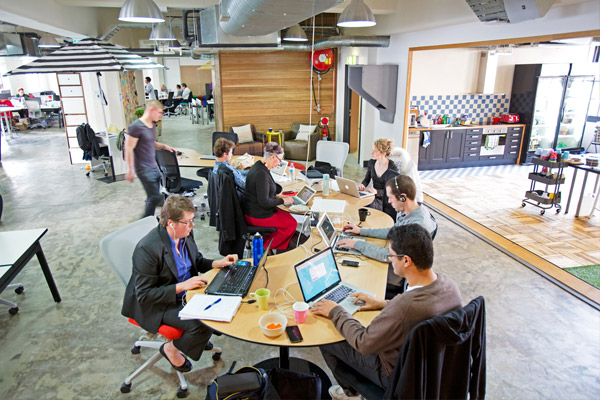
“We’ve identified, from a design perspective, what works well to allow for collaboration between members but also provides the flexibility to choose how you’d like to work. This is reflected in the expansion of Hub Sydney with a range of different spaces such as large, vast areas but also small alcoves, meeting spaces and private rooms,” Krauskopf says.
The second floor of Hub Sydney’s William Street, Darlinghurst premises launched on June 5 and includes a fit-out by innovative furniture partner Haworth and neighbouring retailers Café Culture and Koskela.
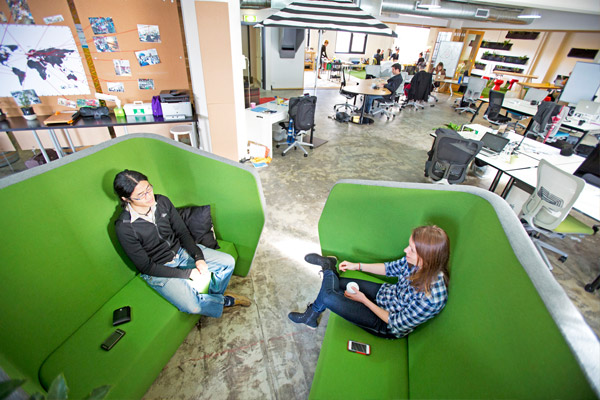
Hub Sydney
The design, led by award-winning international design practice Hassell Studio, now provides the capacity for another 300 members.
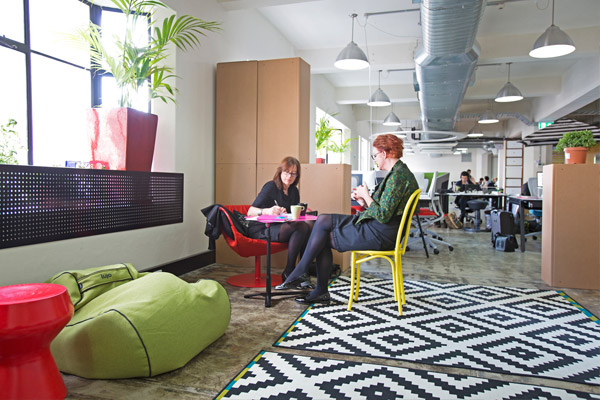
Hub Sydney
Hassell Studio associate Kyrstyan McLeod says the Hub community sought a relaxed, casual space.
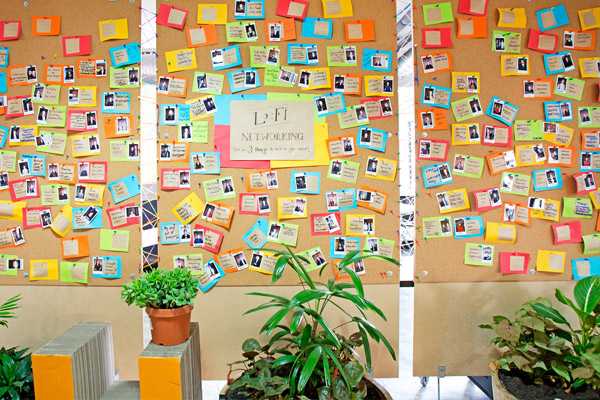
Hub Sydney
“We were able to build on the existing fabric of the building to create a raw, natural aesthetic,” McLeod says.
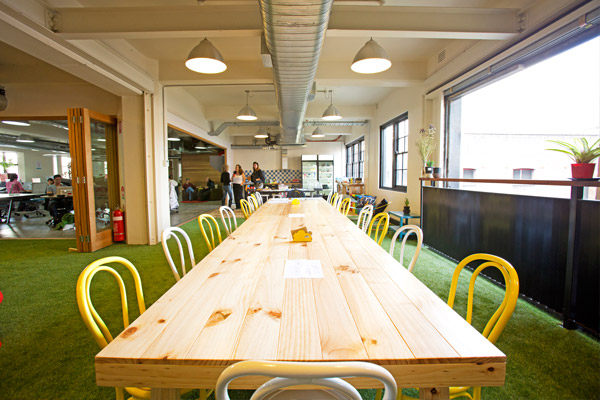
Hub Sydney
The predominant design theme centres on Sydney’s surf and beach culture and incorporates an array for nautical paraphernalia from children’s buckets and spades as plant pots, boats as casual meeting areas, beach flags marking different sections and vibrant blue columns and doors to provide a sense of “dynamism”.
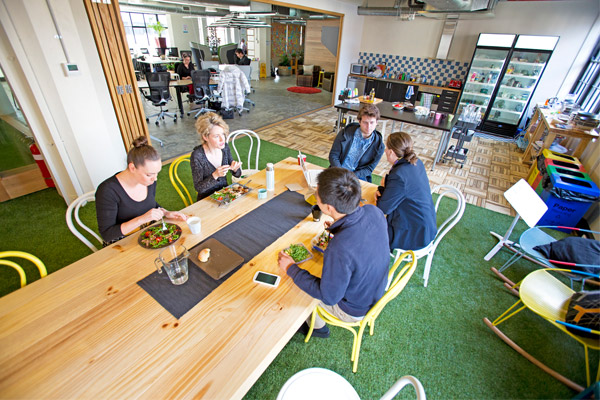
Hub Sydney
Raw industrial elements such as concrete floors and steel-framed windows are offset and softened by natural materials via seagrass mats and plywood benches.
Hub Sydney
Furniture on the new floor can be shuffled and rearranged and novelty inclusions such as a ping pong table, contemporary quiet pod and two major artworks by Suzanne McGillvray and Marieke de Goeji provide a dynamic and inspirational work environment.
Hub Australia
hubaustralia.com
Hassell Studio
hassellstudio.com