The home of architecture and design in the Asia-Pacific
Get the latest design news direct to your inbox!

Get the latest design news direct to your inbox!
Functional, efficient and beautiful, a clutch of residences in the Pilbara show how communities can be built amid the harshest environments. Lorenzo Logi reports.
December 1st, 2015
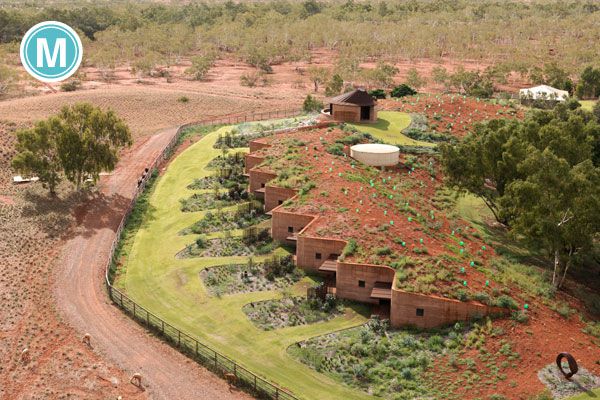
When one thinks of multi-residential architecture, a dozen dwellings in one of the most sparsely populated regions of an already vast and empty island do not spring to mind. However, whilst Luigi Rosselli Architects’ (LRA) 12 residences do not respond to the pressures of increasing urban density or the affordability pressures of our major cities, they do still offer valuable instruction into how we can build homes – and communities – efficiently, sustainably, and beautifully.
After restoring the main homestead – a rambling, dignified cluster of buildings that pair corrugated iron with pressed metal – LRA was engaged to design accommodation for the cattle musterers that more or less continually work at the property, as well as the odd visitor, guest, or extra staff-member.
The brief asked for low-cost, low-maintenance buildings, however as LRA’s response progressed, the client’s vision for the project evolved beyond merely a collection of temporary residences into an extension of the family space at the homestead. “What is unique to that brief,” says Luigi Rosselli, director of the firm, “is that basically it’s for a community which is a step away from family… It’s very communal: they eat together, there’s a large kitchen, they gossip.”
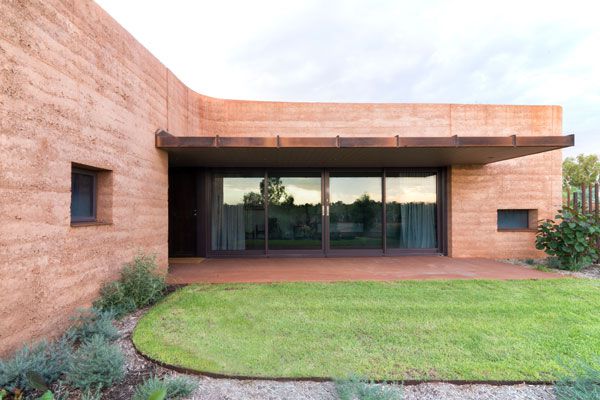
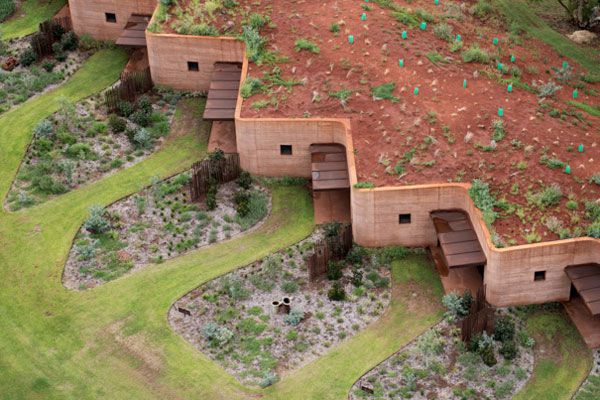
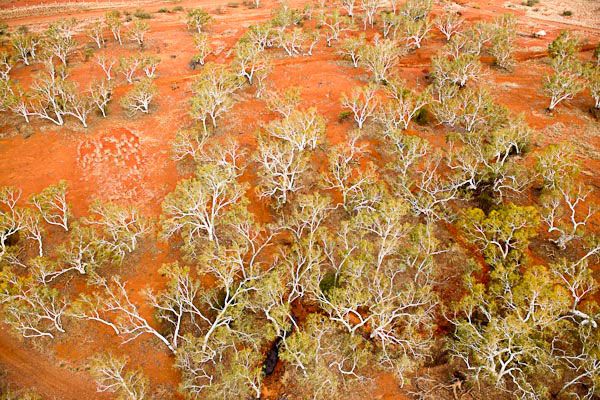
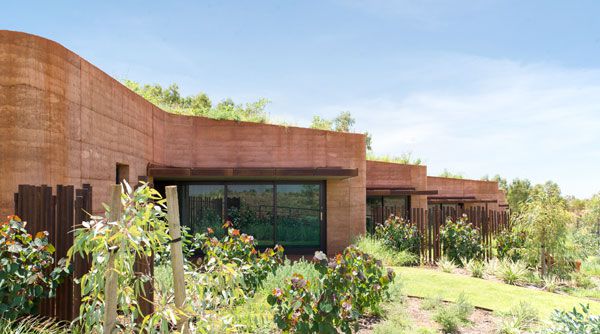
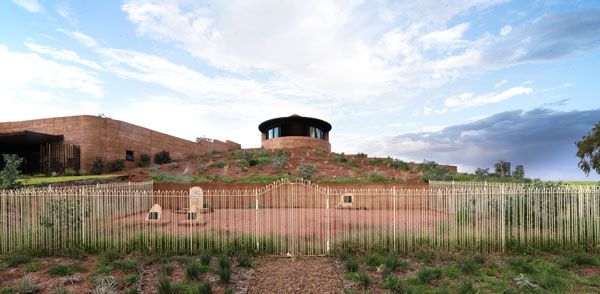
For the residences, LRA decided to bury the structures under an existing sand dune and to have a continuous zig-zagging rammed earth wall face, thus minimising external surface areas and stabilising and cooling the ambient temperatures. The sand dune arches around the back of the property and the Musterers Quarters follow the crest of the dune and fan out toward the view of ghost gums scattered on the river banks. The sealing effect of being almost fully interred means “You can lock them up and they’re dust proof, and heat proof,” as Rosselli observes.
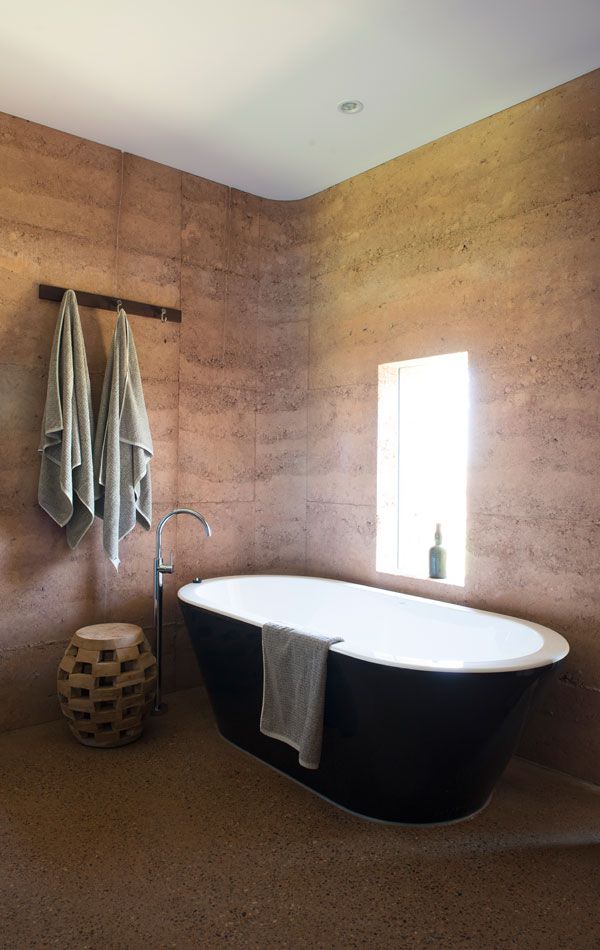
The rammed earth wall is an excellent natural cooler; it absorbs humidity from the air and ground and releases it by evaporation. The structures are prevalently not exposed to the sun’s heat and UV, protected from wind and cyclones and kept at a constant temperature, rendering them more comfortable to inhabit, and more durable. Internally, the dwellings are modest and functional, however their resistance to the extreme temperatures and insidious dust of their context is already a luxury.
Read the full story in Issue 63 of Indesign, on sale December 23.
INDESIGN is on instagram
Follow @indesignlive
A searchable and comprehensive guide for specifying leading products and their suppliers
Keep up to date with the latest and greatest from our industry BFF's!
The internet never sleeps! Here's the stuff you might have missed