New National Stadium: Singapore
Published
By
jesse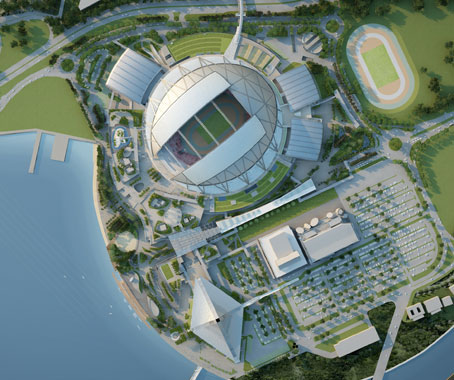
Work for the world’s largest dome at Singapore’s new National Stadium has begun
A project of an ambitious scale is currently underway along Marina Channel to the northeast of the city’s downtown.
Led by Arup, the roof for Singapore’s new National Stadium has commenced and when completed, it will be the largest dome roof in world.

The ultra-thin retractable steel dome will measure 310m wide. It will provide shade and shelter to the 55,000-seat stadium and surrounding community spaces. The 20,000m2 moving roof will also be clad in a multi-layer ETFE pillow and incorporate a matrix of LED lights, making it one of the largest addressable LED screens in the world.

According to Arup, the major drivers in the design were the local climate, the site location and the proposed event programme.
“The tropical climate in Singapore poses a challenge in the design of the National Stadium. People will only enjoy the stadium experience if the environmental conditions are right. We wanted to keep the rain and heat out, but we also wanted it to be an open and dynamic space,” adds Clive Lewis, Arup’s lead Sports Venue Designer for the project.
“After extensive research into comfort expectations and energy in use, we realised that a naturally ventilated stadium with localised cooling gave us the best solution for the local climate in Singapore. By incorporating a moving roof, the stadium will be further protected from the harsh climatic conditions, allowing events to be hosted during the hottest parts of the day.”

The structure’s architectural design and engineering was done using advanced parametric modeling software, as well as in-house software that Arup had specially developed for the project. The result is a super efficient shell dome structure. The dome has a total steel weight of 8,057 metric tons. At a structural weight per square metre of just over 100kg/m2, this is considered efficient even for a roof that is half this span.
In another first, the new National Stadium will be the only one in the world to be custom-built to host football, rugby, cricket and athletic events in one single venue.

Aside from the National Stadium, the S$1.33b Sports Hub will also feature:
– A 3,000-capacity indoor world tournament standard Aquatic Centre, expandable to 6,000 capacity for specific events.
– A 3,000-capacity Multi Purpose Indoor Arena (MPIA) which will be scalable and flexible in layout.
– A 41,000sqm of commercial retail space.
– A Water Sports Centre for athletes and the public.
– The existing 12,000-capacity Singapore Indoor Stadium.
– A Sports Information & Resource Centre (SIRC), with sports library and museum.
The Sports Hub is expected to be completed by 2014.

Arup
arup.com
Latest Projects
QLD
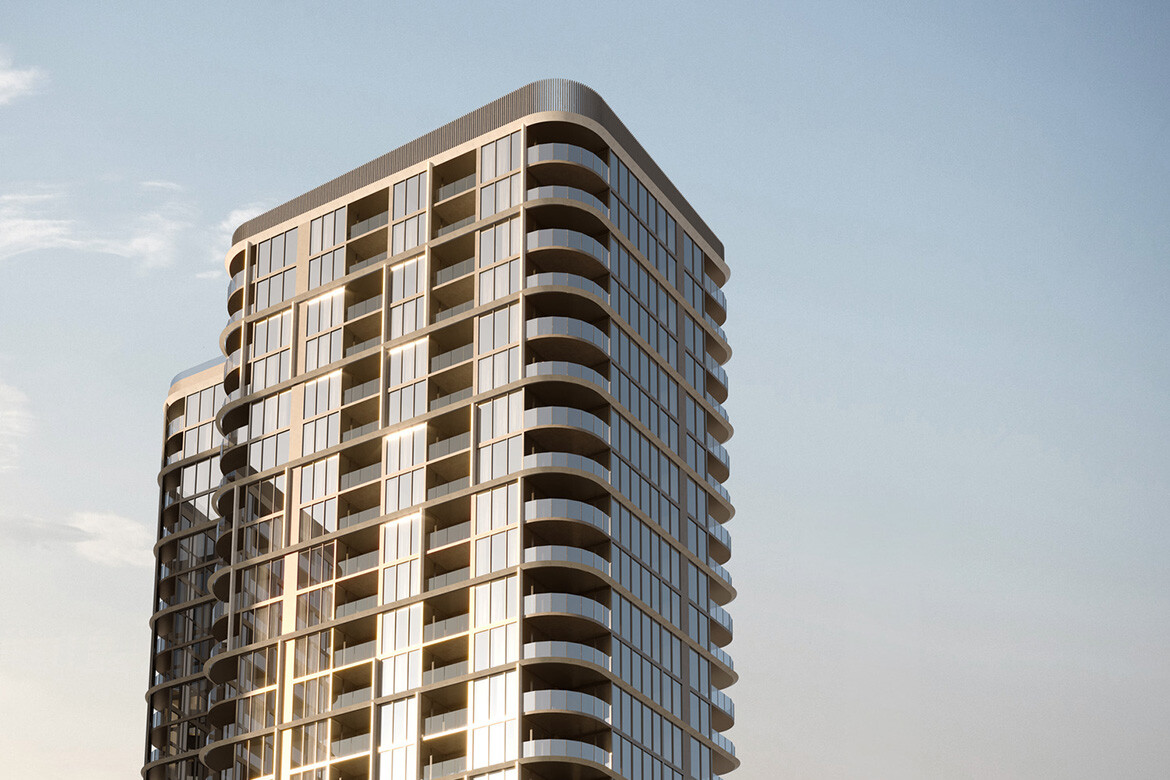
Living outside the box
At Northshore Hamilton, Plus Studio’s Danny Juric is looking beyond the apartment tower as an isolated object, drawing on mature trees, Brisbane’s subtropical climate and the rituals of outdoor living to shape Duet.
Project
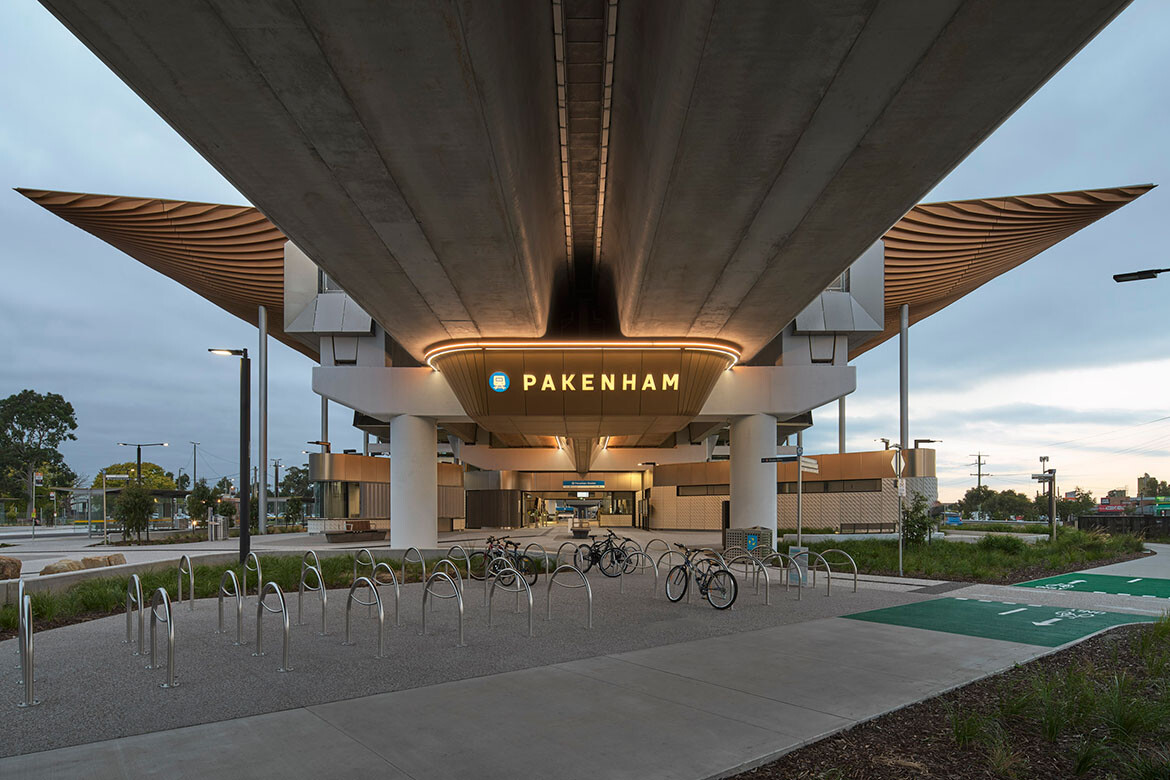
A civic gateway for Pakenham
Genton’s Pakenham Station transforms a utilitarian transport interchange into an open civic landmark, reconnecting the town through landscape, public space and infrastructure designed around Country.
Workplace
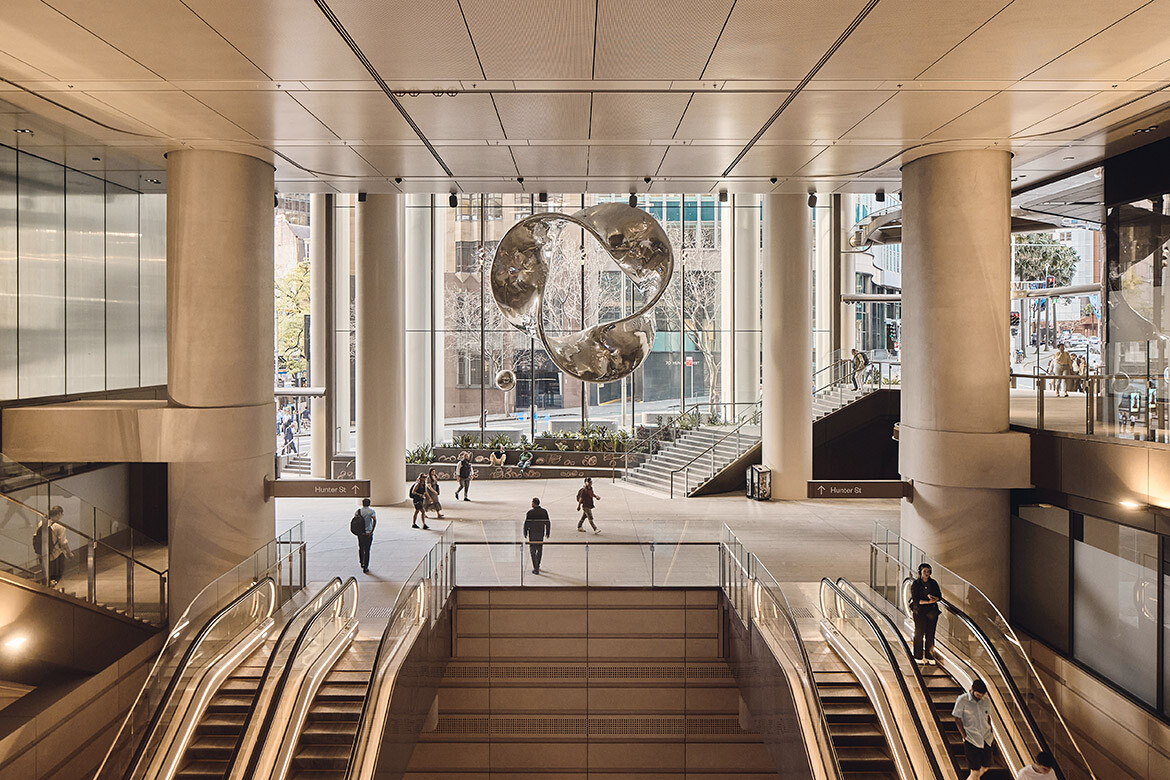
Per atria ad astra
In the very heart of Sydney’s CBD, 1 Elizabeth is a vast civic-scale project that integrates workplace design, transport infrastructure, event spaces, and hospitality around some dramatic void spaces.
Workplace
Seidler, Nervi and fjcstudio walk into an office tower
Set within hallowed architectural surroundings amidst the ghosts of Harry Seidler and Pier Luigi Nervi, fjcstudio’s new Sydney home brings geometric clarity and a spirit of creative exchange to a challenging workplace fit-out.