McDonald’s: The Green Arches
Published
By
jesse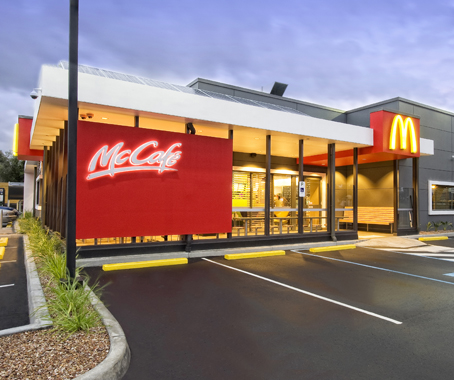
A new McDonald’s in Kilsyth South, Victoria is the first Australian restaurant to be recognised with Green Star certification
Perhaps a surprising first cab off the rank for the hospitality industry, the Green Building Council of Australia (GBCA) has awarded the fast food eatery a ’4 Star’ Green Star.
Where restaurants previously fell outside the parameters of the Green Star accreditation system, the fast food giant took the industry lead and worked closely with GBCA to establish a new benchmark in the measure of sustainable construction and best practice for all restaurants, nationwide.
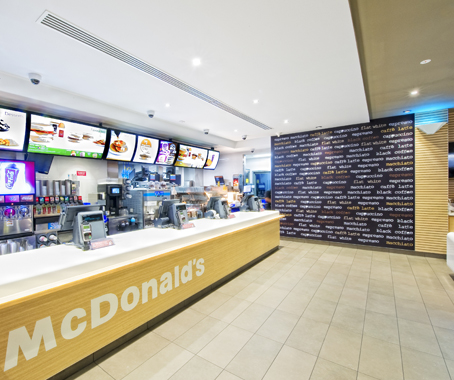
At Kilsyth South in Melbourne’s East, this particular development employs a range of sustainable initiatives, including energy-efficient lighting and mechanical systems, a rainwater capture system for irrigation and to flush toilets, solar panels and the use of more sustainable building materials including recycled concrete and steel. The restaurant also features low-VOC paints to improve indoor environment quality and externally: drought tolerant landscaping.
The GBCA was established in 2002 to develop a sustainable property industry in Australia and drive the adoption of green building practices, ten years on it is buoying to see that the food and beverage sector are now engaged in building initiatives that will go beyond mainstream design and construction but also into the ongoing operation of these facilities.
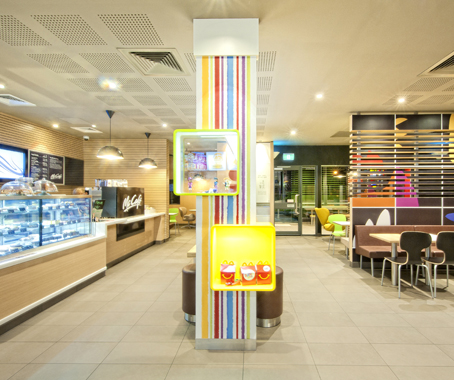
Aesthetically, this building may not pack too many punches, hemmed squarely within the norms dictated by the company’s existing architectural identity and brand standards – but with the proliferation of outlets from the likes of McDonald’s and the increasing awareness from a consumer level of the importance of sustainable practice, this is a welcome initiative.
Green Building Council of Australia
Latest Projects
QLD
Living outside the box
At Northshore Hamilton, Plus Studio’s Danny Juric is looking beyond the apartment tower as an isolated object, drawing on mature trees, Brisbane’s subtropical climate and the rituals of outdoor living to shape Duet.
Project
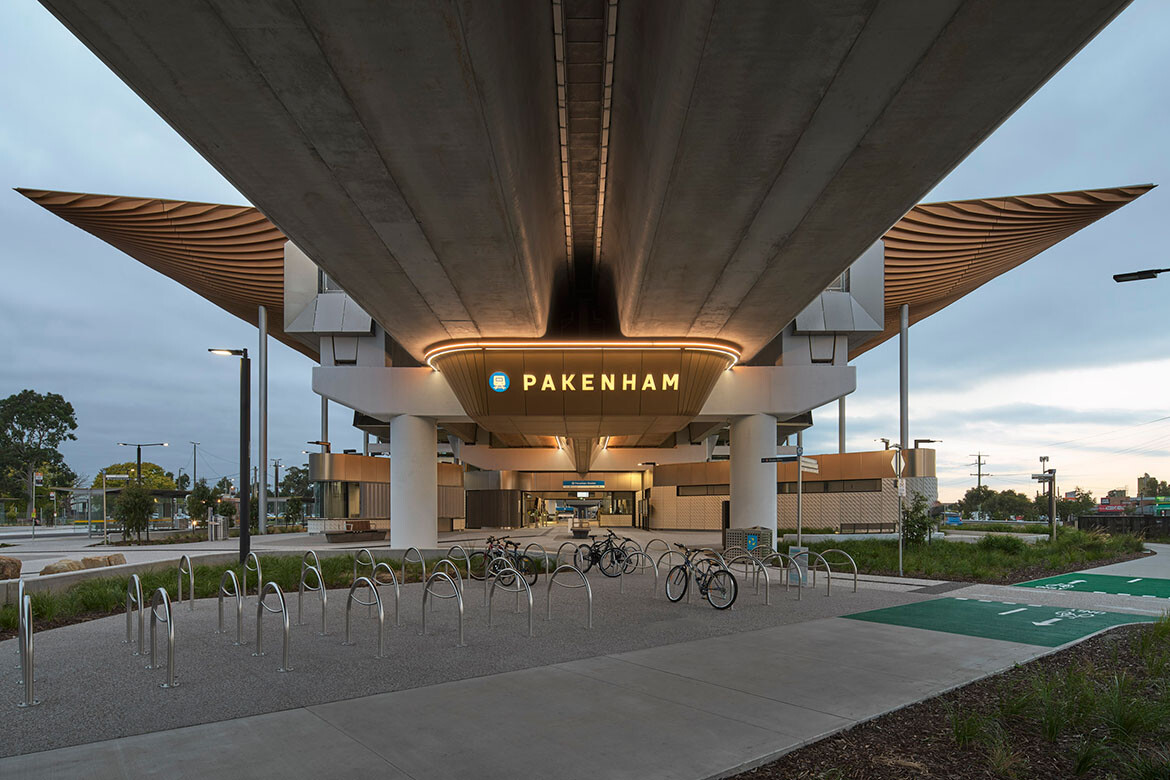
A civic gateway for Pakenham
Genton’s Pakenham Station transforms a utilitarian transport interchange into an open civic landmark, reconnecting the town through landscape, public space and infrastructure designed around Country.
Workplace
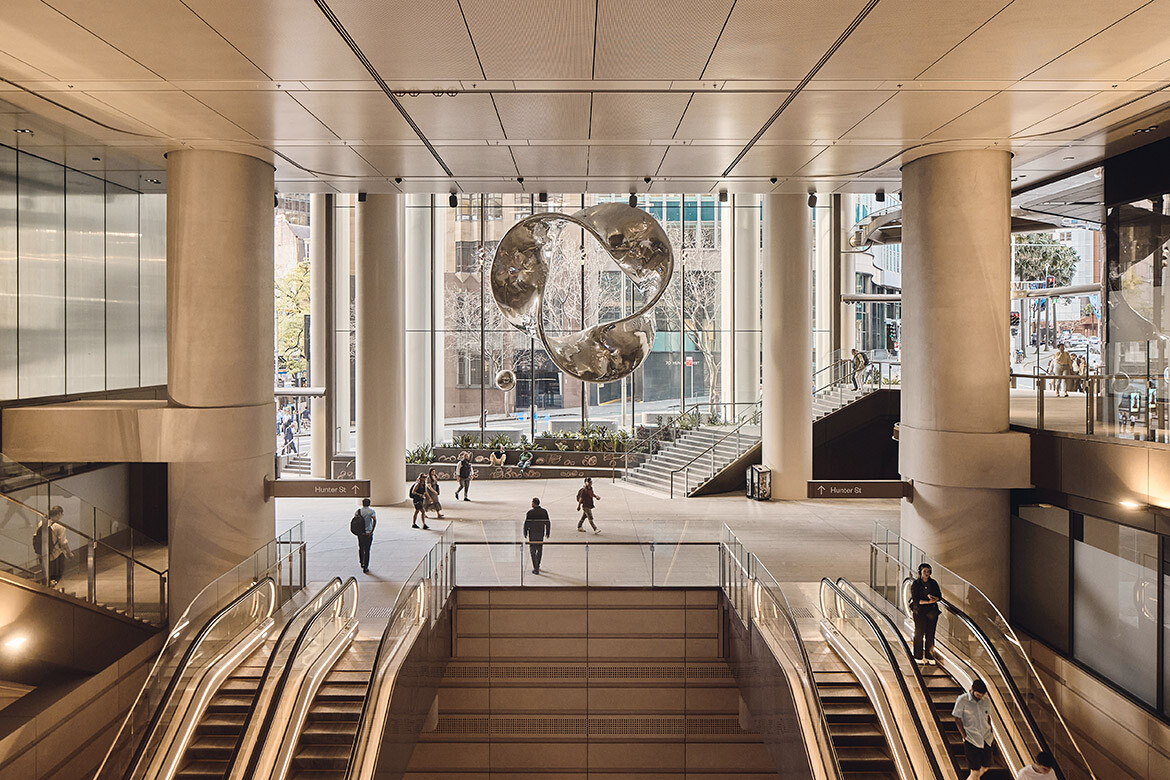
Per atria ad astra
In the very heart of Sydney’s CBD, 1 Elizabeth is a vast civic-scale project that integrates workplace design, transport infrastructure, event spaces, and hospitality around some dramatic void spaces.
Workplace
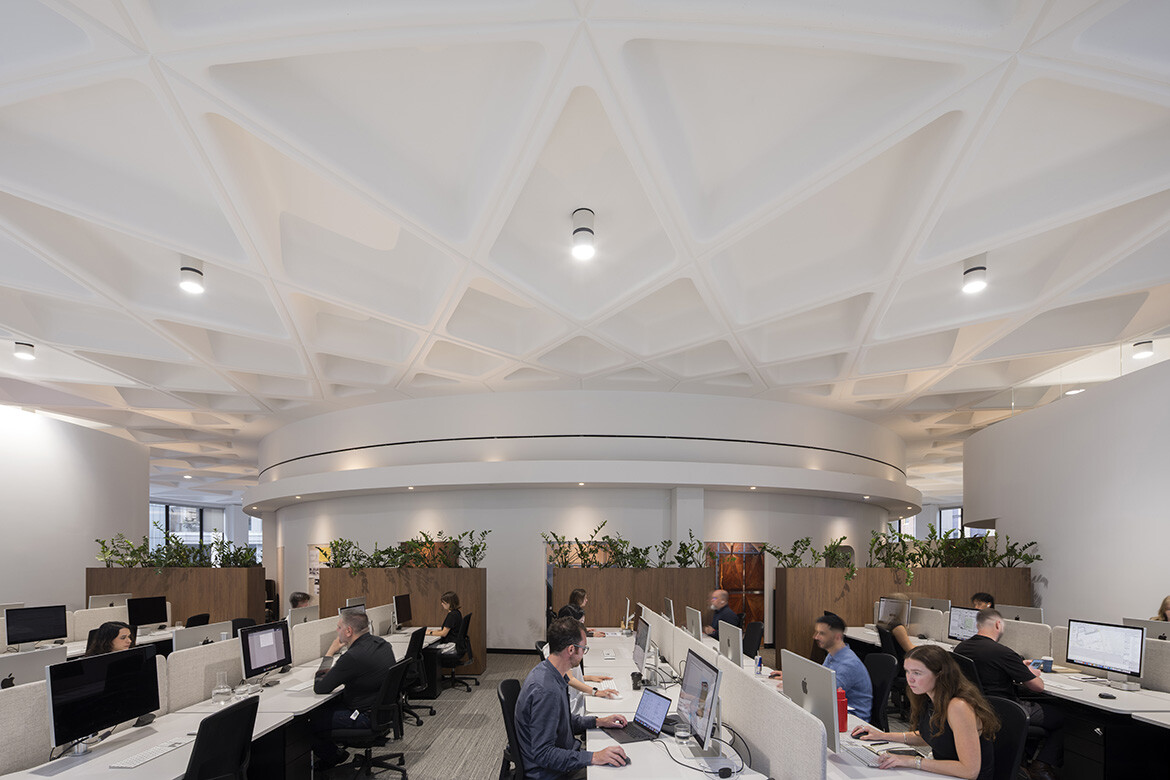
Seidler, Nervi and fjcstudio walk into an office tower
Set within hallowed architectural surroundings amidst the ghosts of Harry Seidler and Pier Luigi Nervi, fjcstudio’s new Sydney home brings geometric clarity and a spirit of creative exchange to a challenging workplace fit-out.