With its beautiful beaches and relaxed atmosphere, it’s understandable why people decide to spend the entirety of their Thailand holiday relaxing on a single beach in Phuket. Despite all the other beauty and adventures the Southeast Asian paradise has to offer, the endless white-sand beaches and the jewelled tones of the Andaman sea is a much-loved attraction by tourists and locals alike.
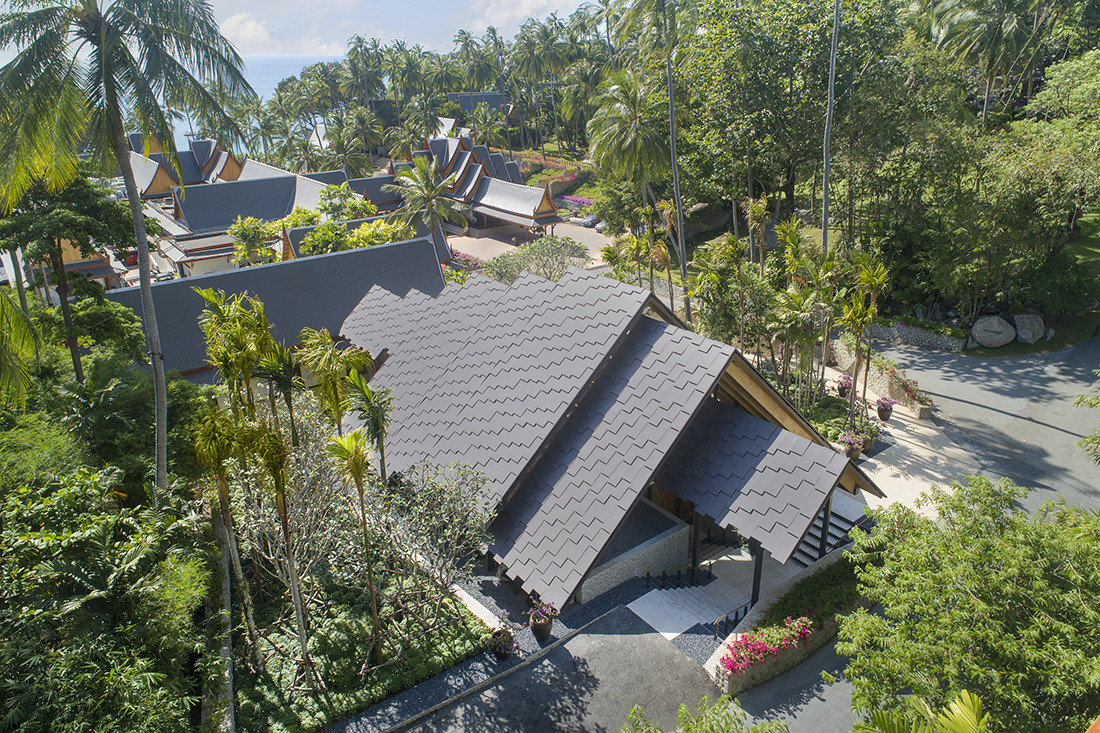
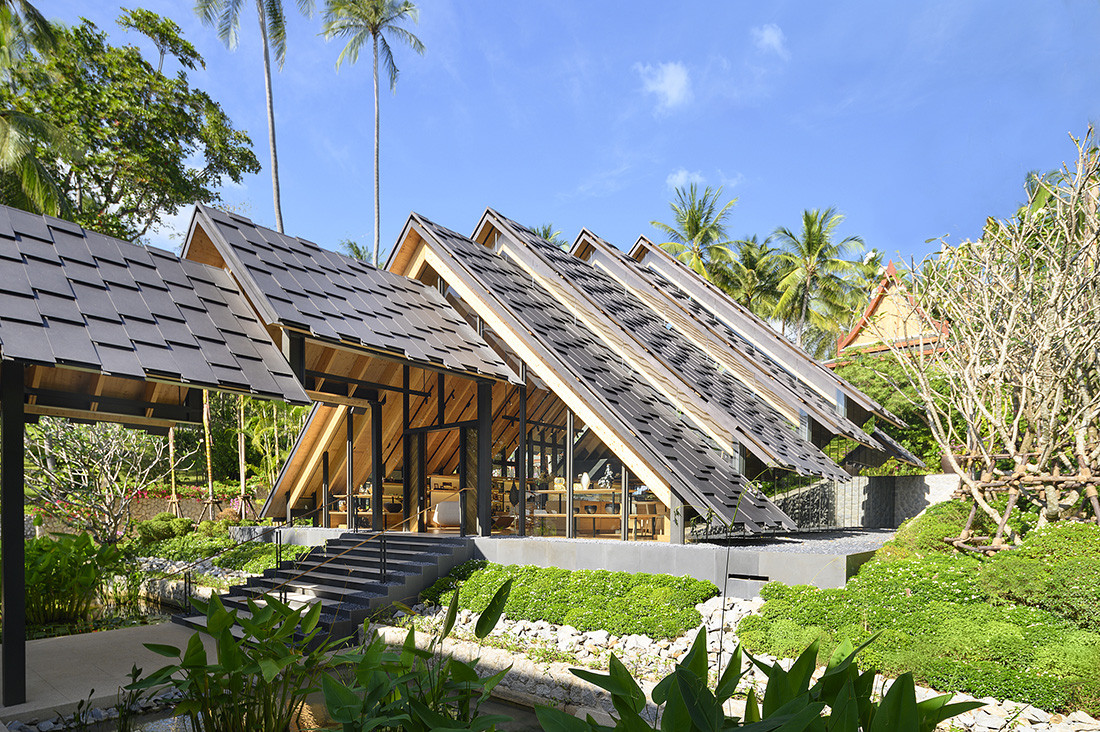
Where the Phuket coastline meets the Andaman Sea is where the first Aman property opened its doors 32 years ago. Decades later, the site is revitalised with the addition of the Amanpuri Resort’s new Retail Pavilion – a notable feat of raw, natural beauty by renowned Japanese architect, Kengo Kuma.
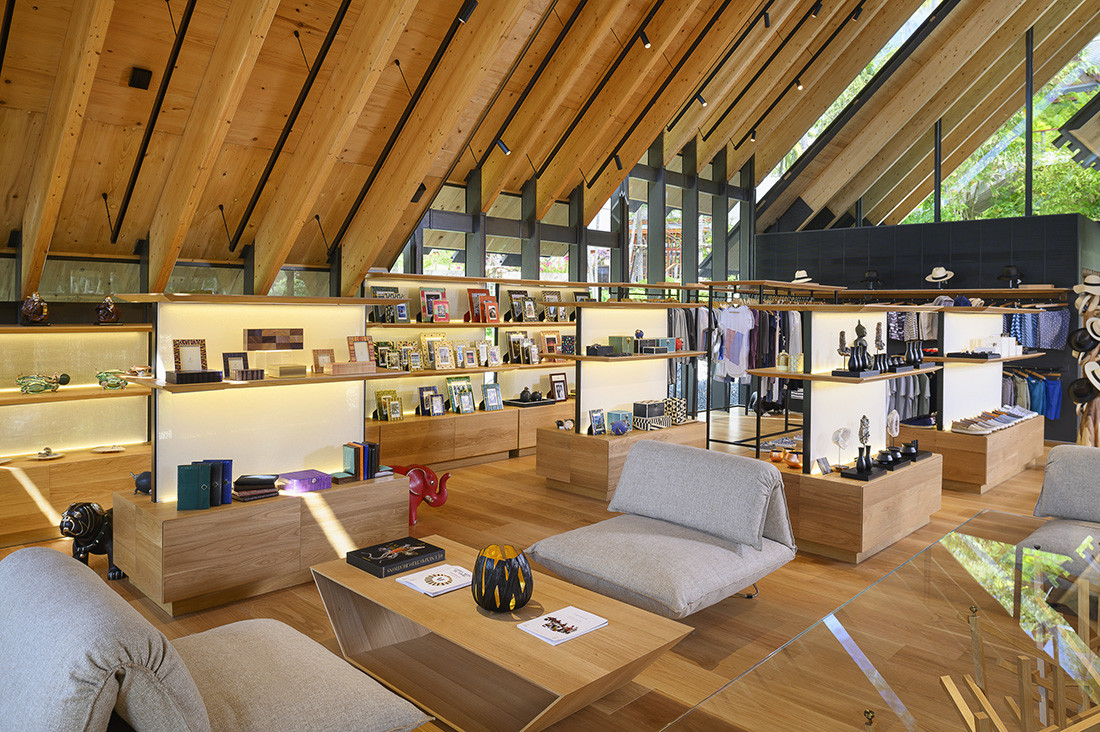
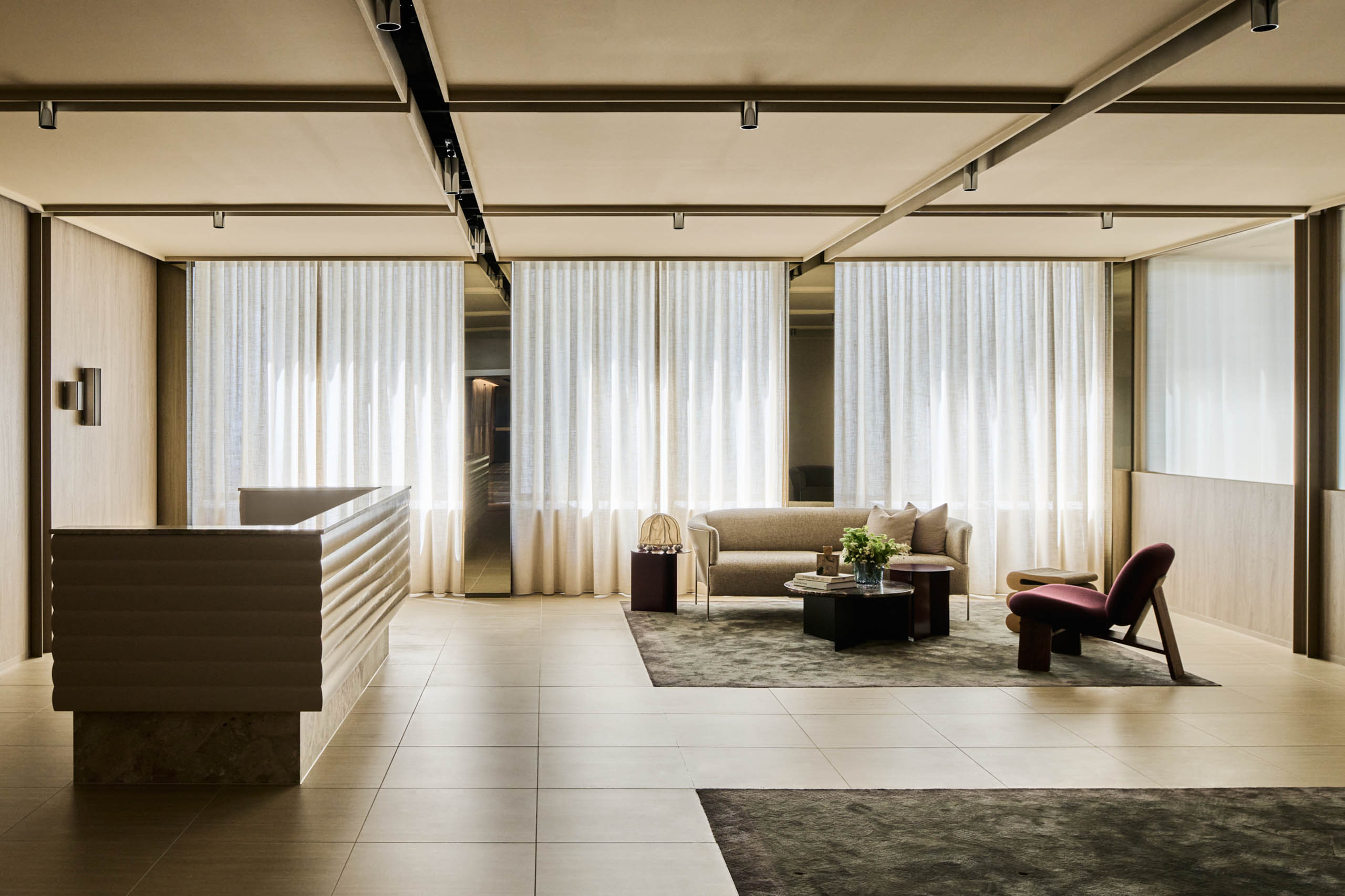
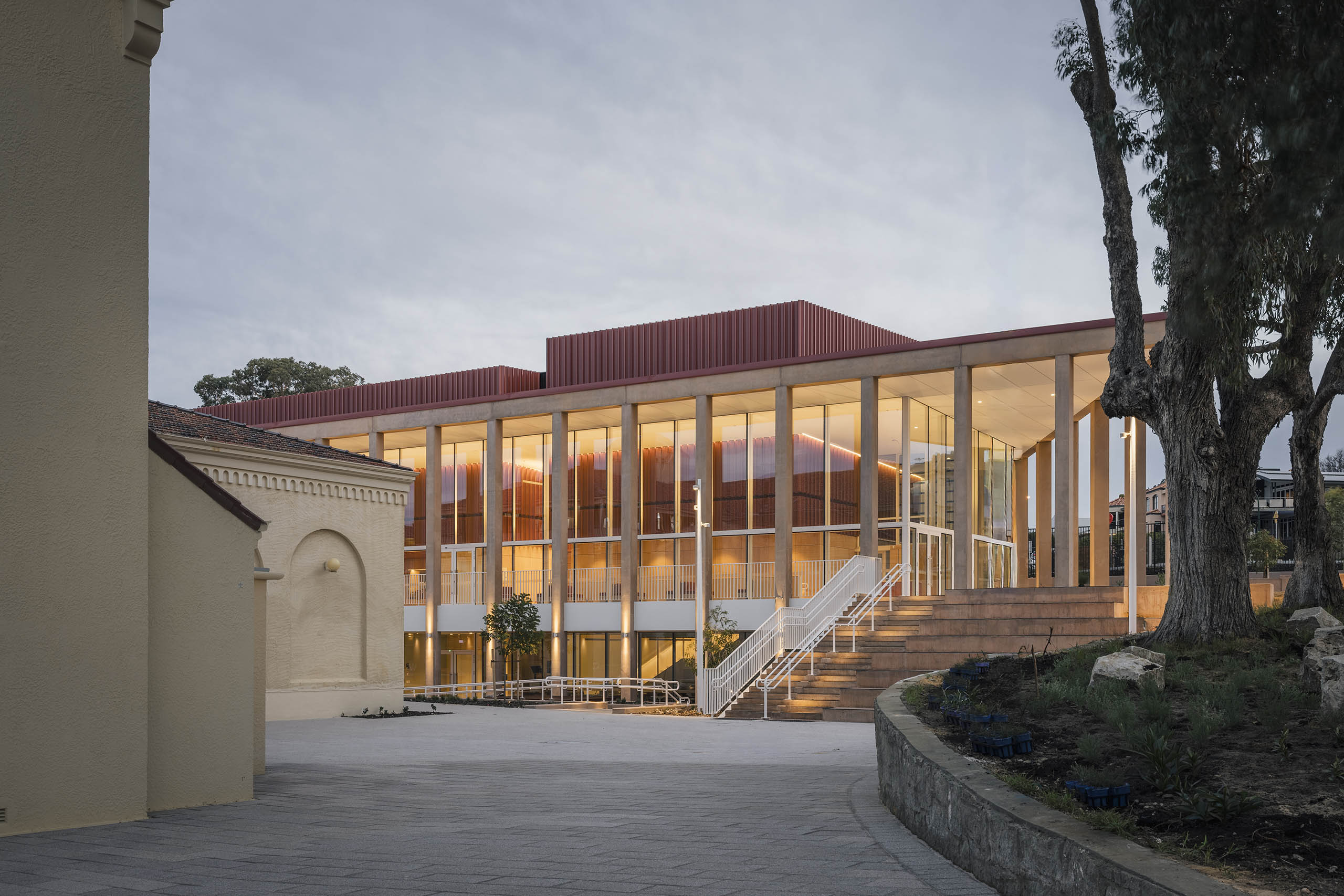
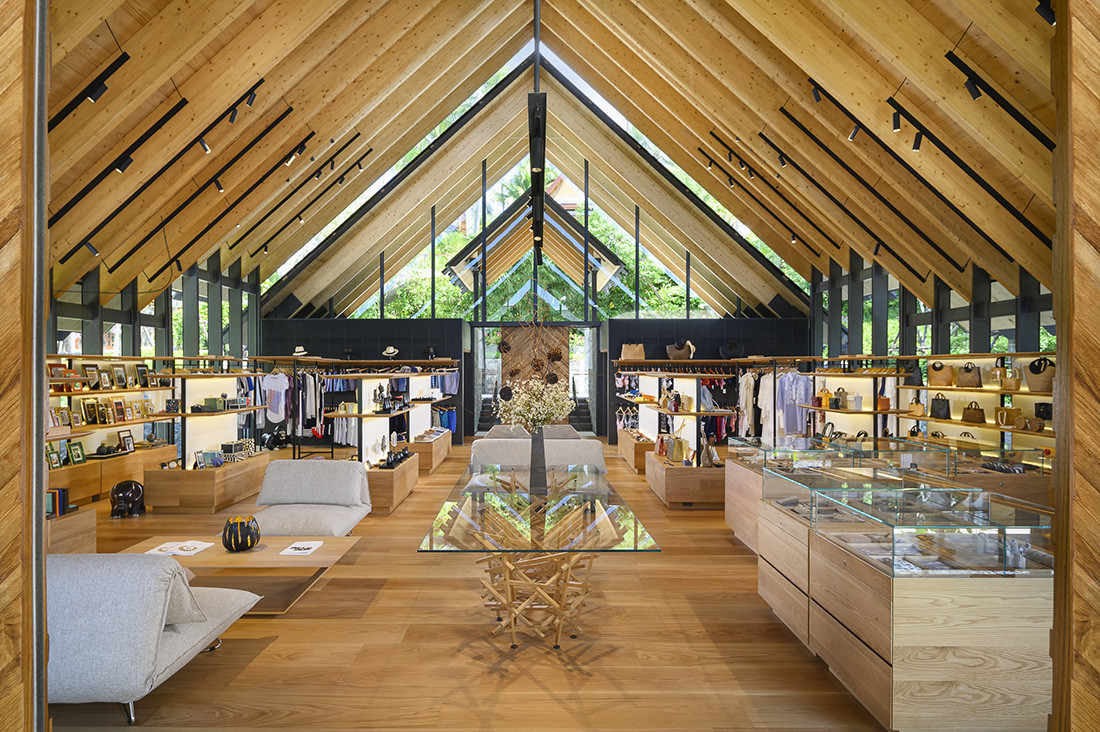
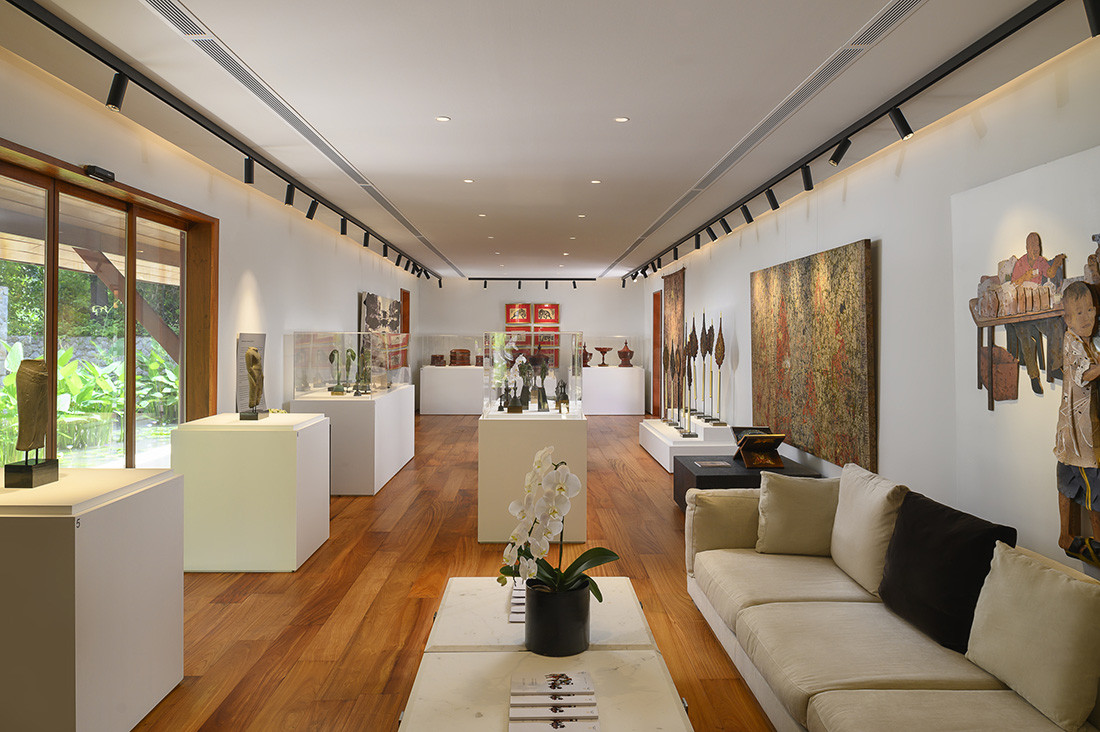
The pavilion, keeping with Amanpuri’s other beautiful buildings, features a steeply pitched roof giving it a look inspired by the temples and traditional buildings of Thailand. Broad steps lead down to the spacious boutique floor, divided into different retail spaces around a central lounge area.
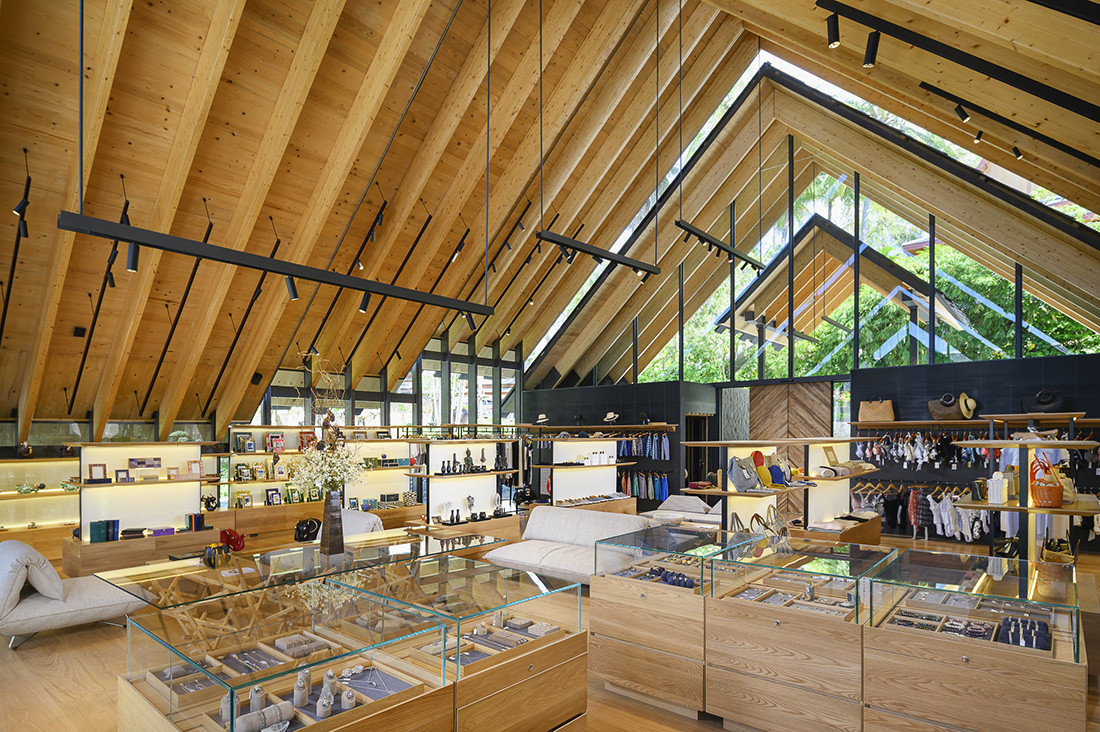
Along with offerings including designer swimwear, fashion wear and accessories, the retail pavilion will also include works from local Thai artist ranging from jewellery, home-ware and furniture.

Amanpuri has made its central axis ‘Living Area’ with its limited-edition furniture pieces designed by Kengo Kuma – a key feature of the pavilion. The focus piece being the limited edition Kigumi Table, of which only 10 have been made available.
“As the original location in the world-renowned Aman experience, Amanpuri carries both storied tradition and deep-rooted excellence that is anchored in a sense of place,” Kengo Kuma on the context of the project and its relationship to place.
“Our idea draws on the leitmotif of repeated rhythms in the roofs, while strengthening the connections to the surrounding nature. Our design for the Retail Pavilion is both familiar and new, and we hope that its scale and integration conveys our respect for what has preceded us, and enthusiasm for Aman’s future.”
Photography courtesy of Aman.
If you loved this, we think you’d might like Ministry Of Design’s interpretation of Victorian design at the Prestige Hotel. Join our digital community and get weekly inspiration straight to your inbox.