The home of architecture and design in the Asia-Pacific
Get the latest design news direct to your inbox!

Get the latest design news direct to your inbox!
Offering a sharp contrast to the neo-classical and Art Nouveau masterpieces that define Barcelona, Hotel Omm is a crisp, contemporary sanctuary rich in considered detail. By Alicia Sciberras
January 7th, 2014
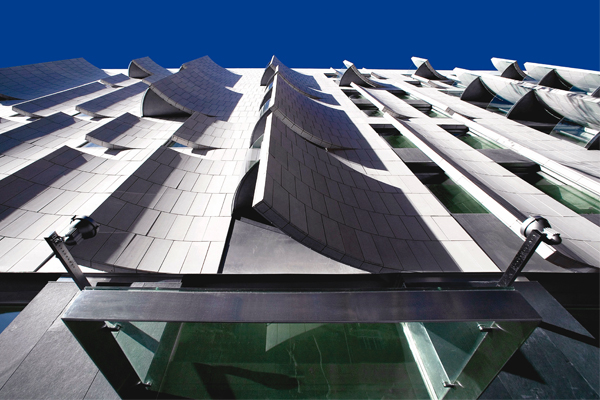
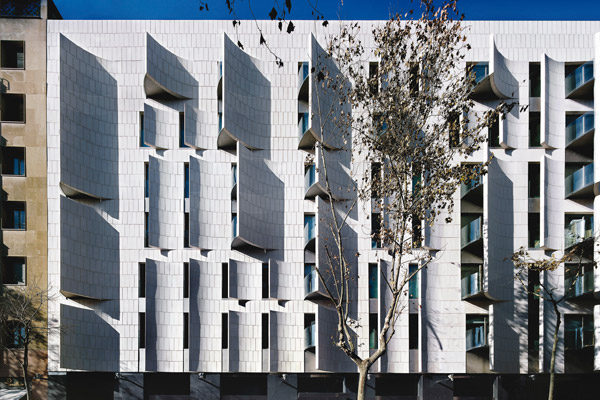
A bold interruption to the brown sandstone buildings typical of Barcelona’s Passeig de Gràcia district, Hotel Omm engages passers by with a white, angular, limestone façade. Rising seven storeys, Omm was designed by Spanish architect Juli Capella to house 91 rooms and boasts a roof top terrace and swimming pool overlooking Gaudi’s Casa Milà, where guests can relax and gaze over the beating heart of the Catalan capital.
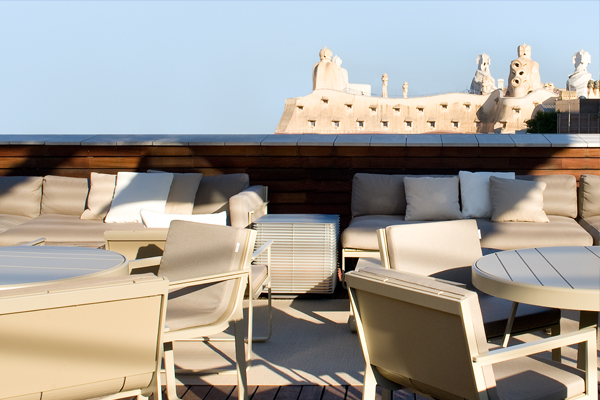
Spanish interior designers Sandra Tarruella and Isabel Lopez, both independent studios known for previous work in hospitality and retail fit outs respectively, collaborated on the interior project to create a visual feast spanning from the casual lounge and intimate cocktail bar through to the formal dining area.
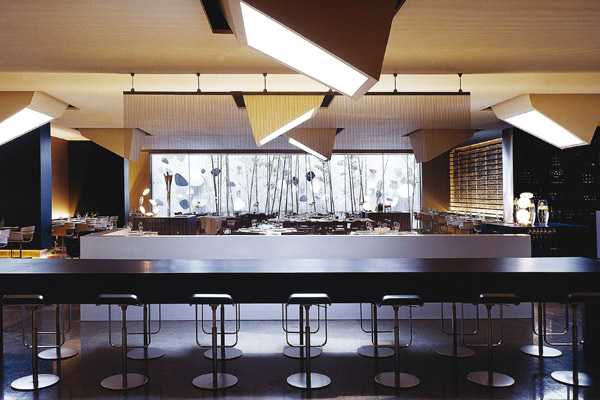
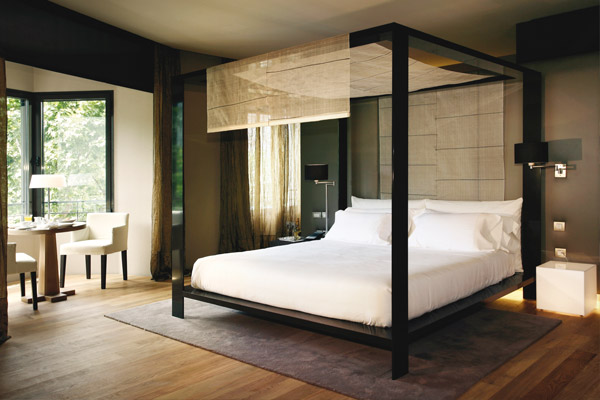 The latter hosts a dramatic setting of high ceilings, long black dining tables, handcrafted wooden chairs and a central, see-through wall divider that connects diners with the entire ground level.
The reception is understated – a luminous, clean space accented with red details – but on exiting the elevators on the journey to the suites, guests are drawn into darkly plush corridors with backlit stretch membrane wall panelling.
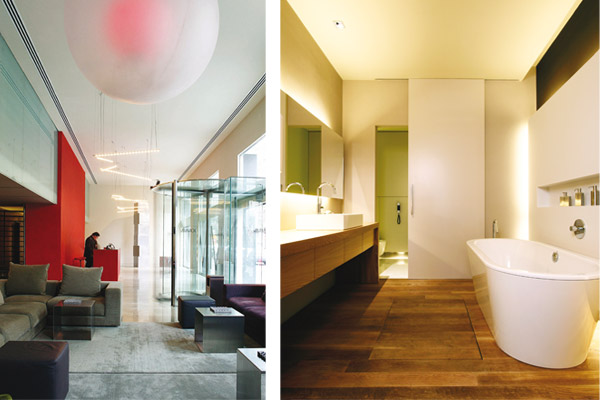
Private rooms are restrained but exquisitely finished, with obvious care taken in the specification of fittings and finishes such as custom wardrobes, lounging nooks and bedside tables. Adaptable lighting is featured throughout the hotel, allowing spaces to be dimmed and brightened to taste or occasion.
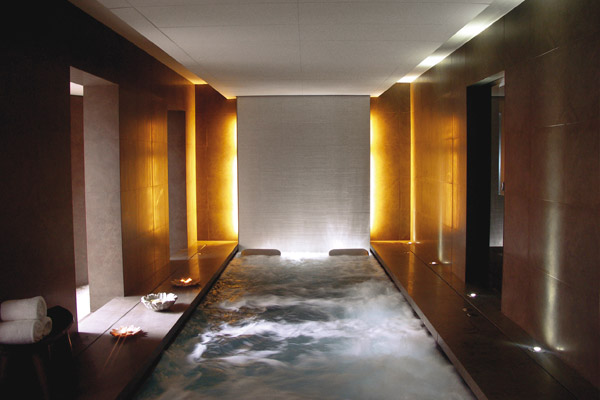
Indulgent details such as signature grey kimonos (mandatory attire for ‘Spaciomm’ – the hotel’s spa) a hairdresser and the popular Michelin-star restaurant ‘Moo’ complete the Omm experience, creating a true urban oasis.
Hotel Omm is a member of Design Hotels
designhotels.com/hotel_omm
INDESIGN is on instagram
Follow @indesignlive
A searchable and comprehensive guide for specifying leading products and their suppliers
Keep up to date with the latest and greatest from our industry BFF's!
The internet never sleeps! Here's the stuff you might have missed