As build-to-rent gains ground in Australia, HOME Parramatta asks what architecture can offer beyond supply: stability, shared amenity and a less provisional model of rental living.
Renting in Australia is still often treated as an interim condition: a stage before ownership rather than a legitimate long-term way of living. Build-to-rent (BTR) has entered that conversation with some force, but its architectural value depends on whether it can offer more than scale.
Story continues below advertisement
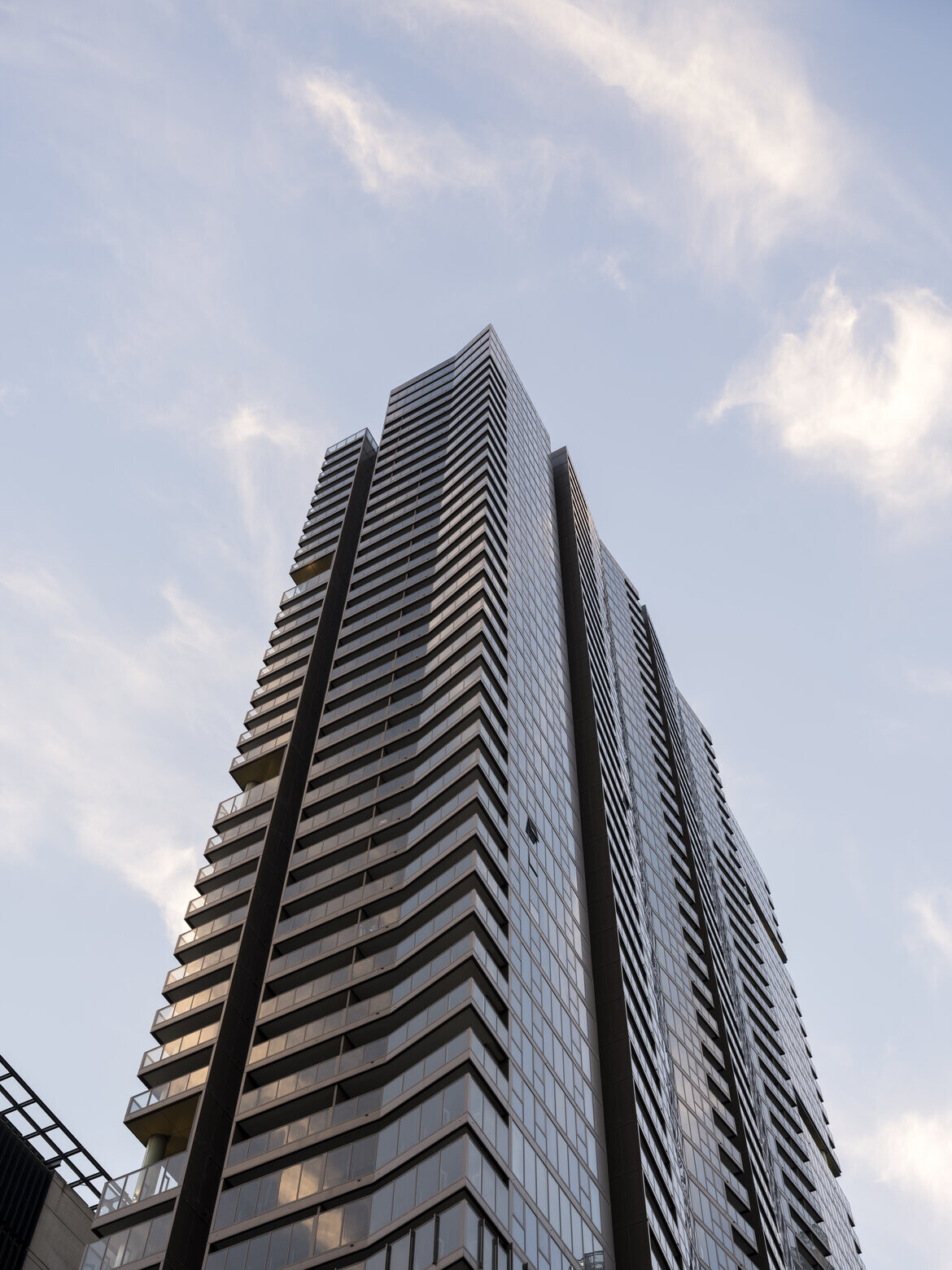
At HOME Parramatta, lead architect Nicholas Byrne of DKO frames BTR as a design question as much as a housing model. Located in Sydney’s second CBD, the project sits within a market where affordability is often reduced to numbers: dwelling supply, density, feasibility and yield. Byrne is interested in what happens after those numbers are resolved.
“Build-to-rent demands a fundamentally different design approach,” he says. “The architecture must support not just private living, but the shared spaces, services and connections that shape daily life.”
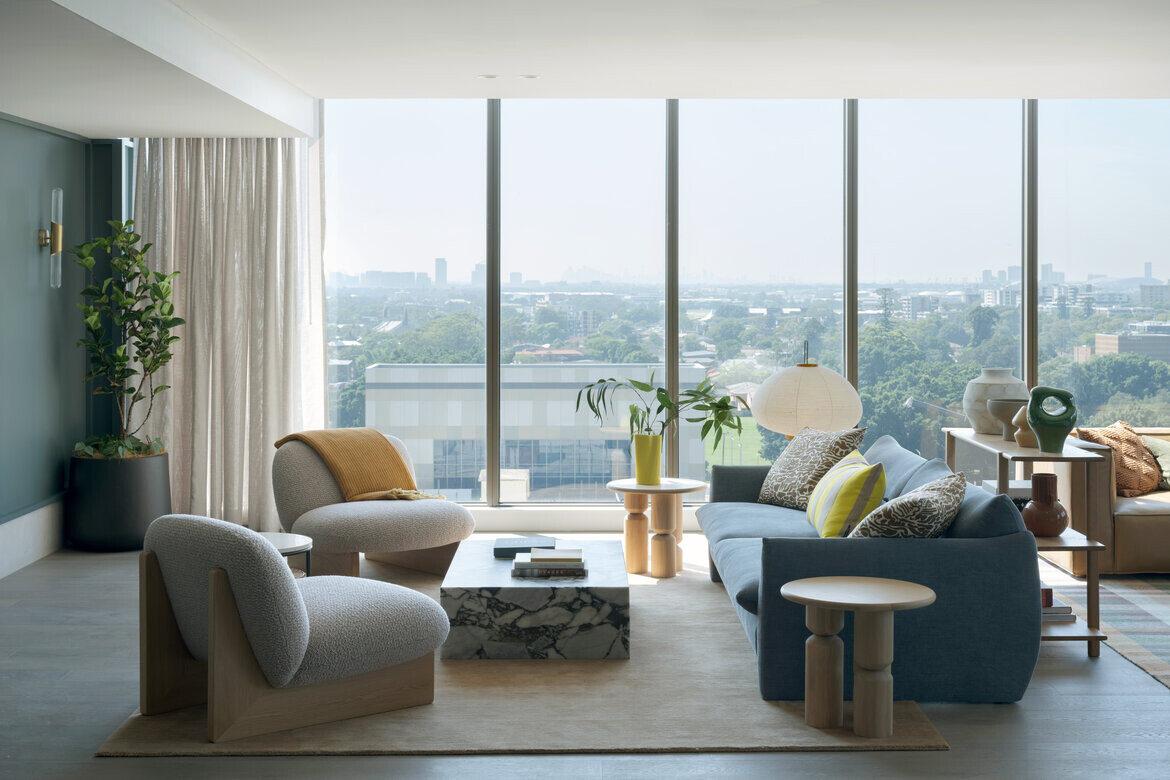
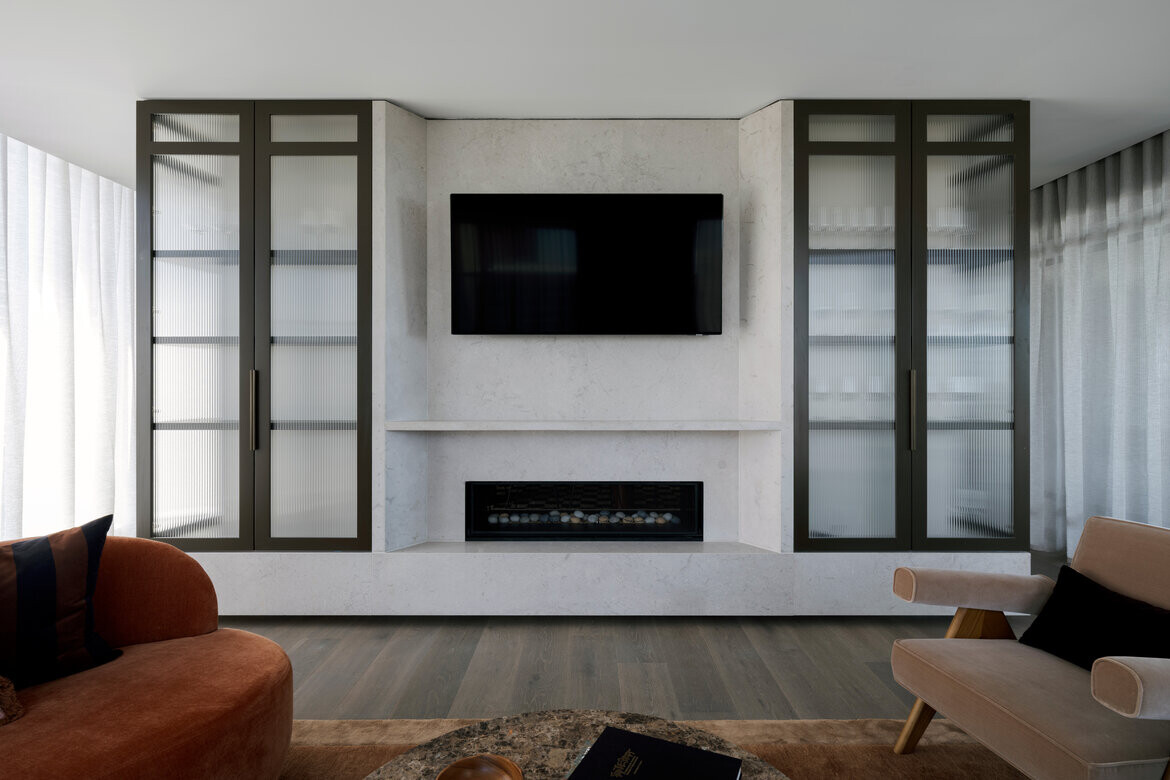
Unlike conventional apartment developments, where the private dwelling often dominates the design logic, BTR asks the building to operate as a longer-term residential environment. “You have to reverse-engineer the project based on the client brief,” says Byrne. “You figure out who is coming first, and then you build it.”
Story continues below advertisement
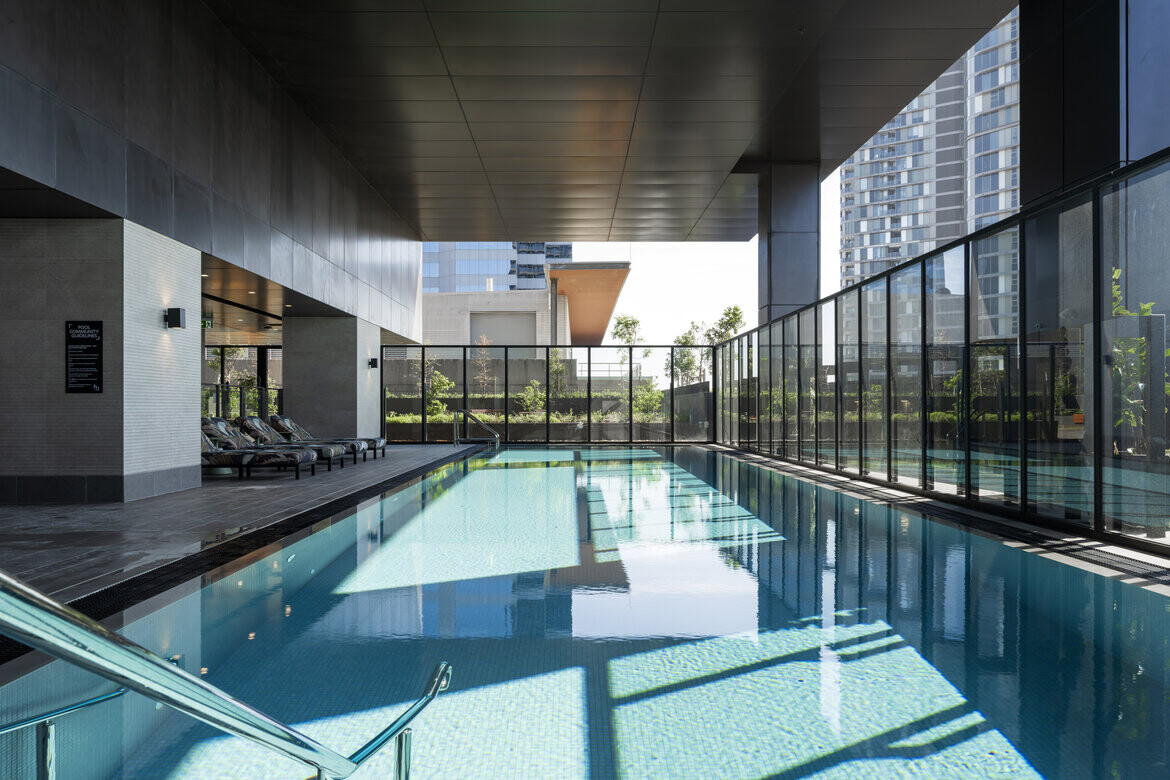
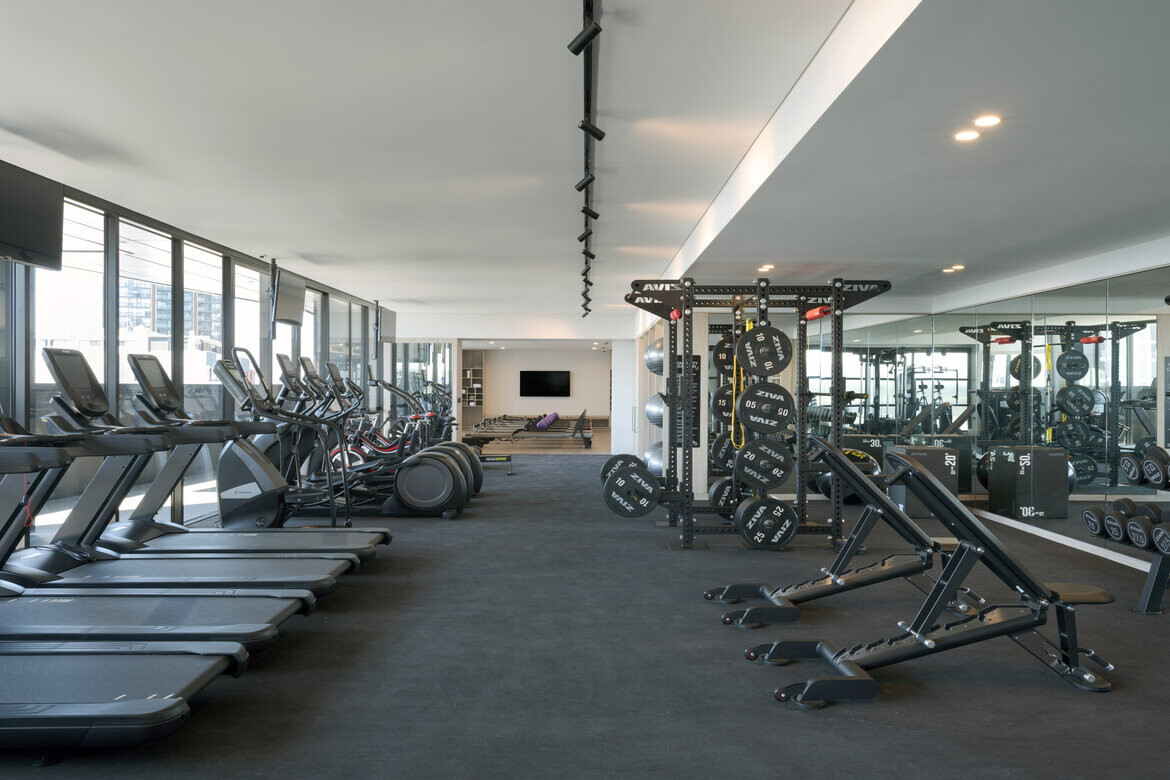
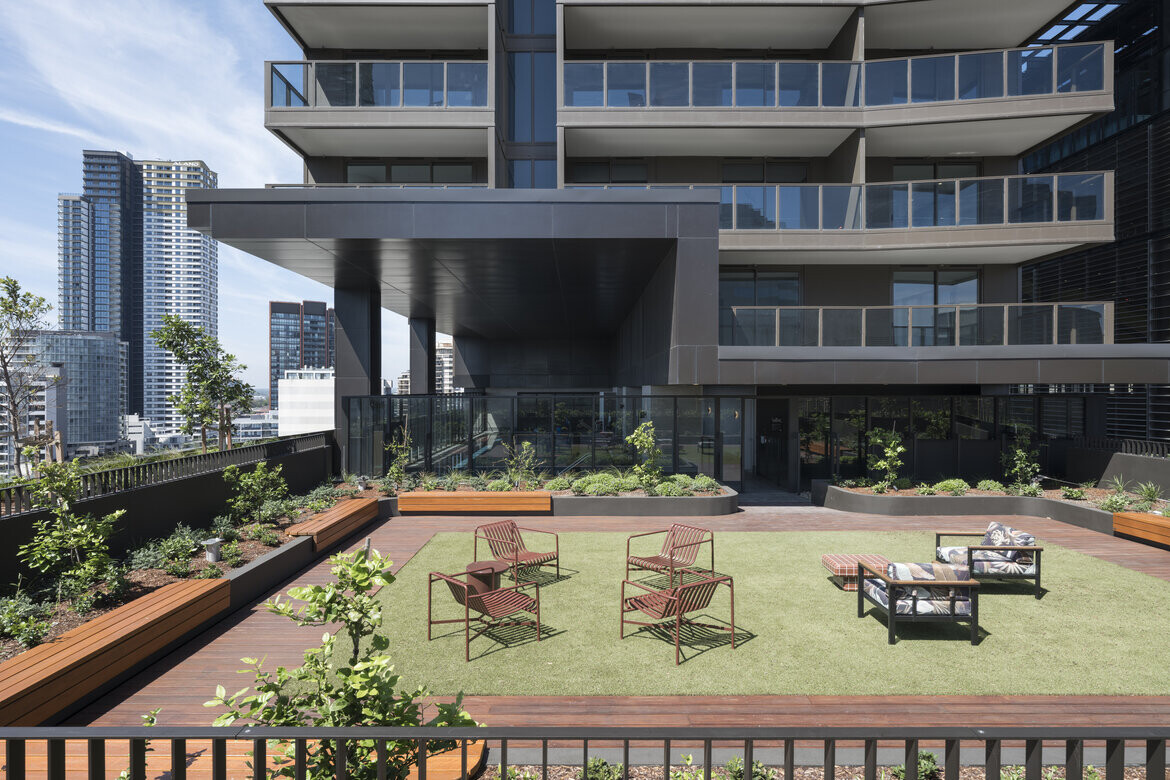
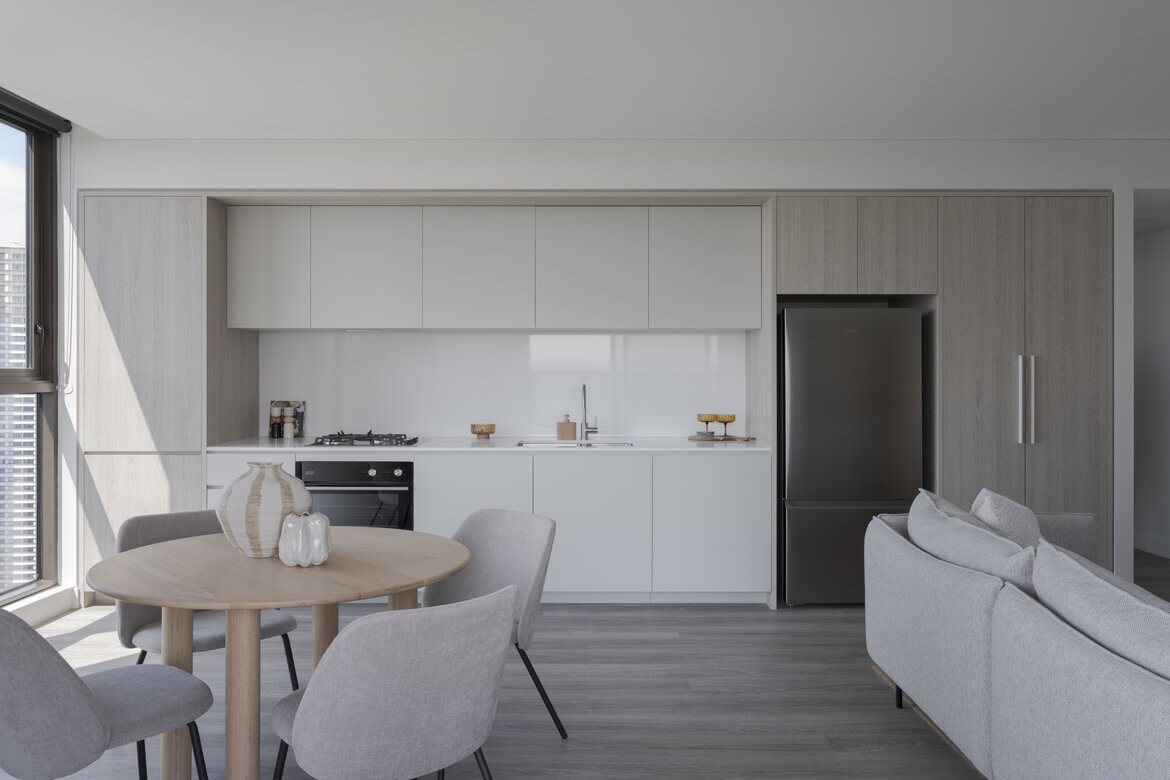
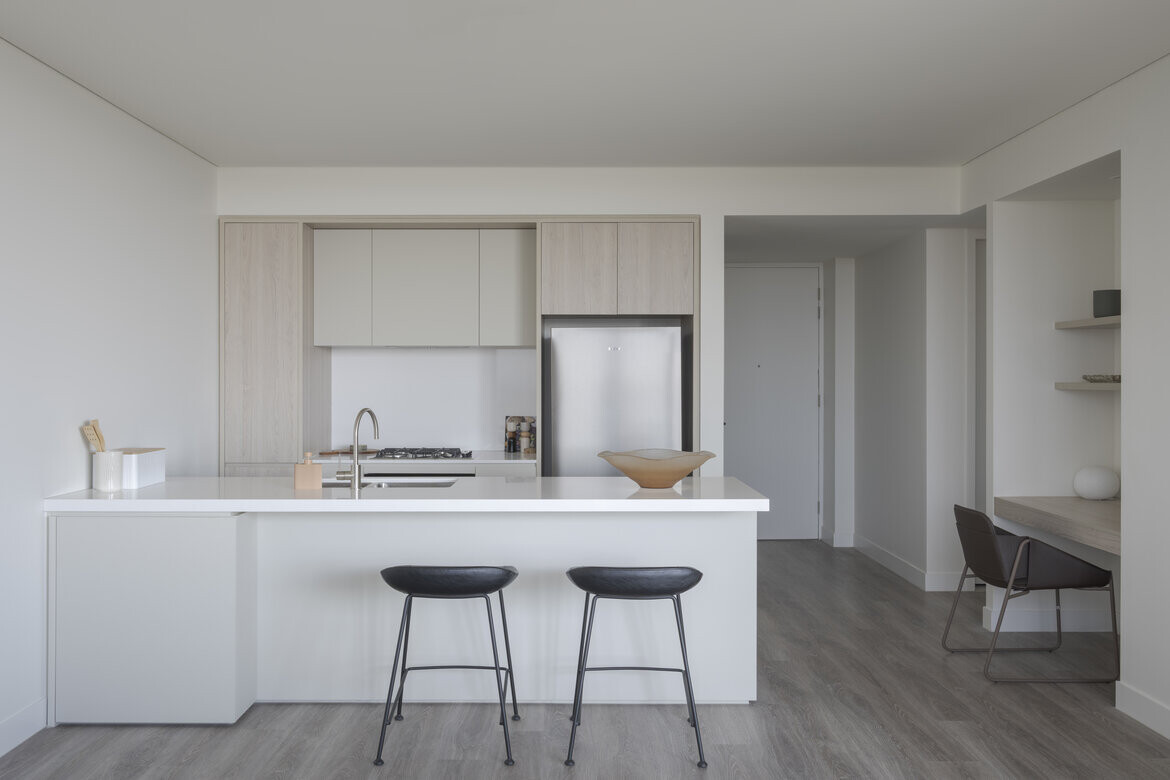
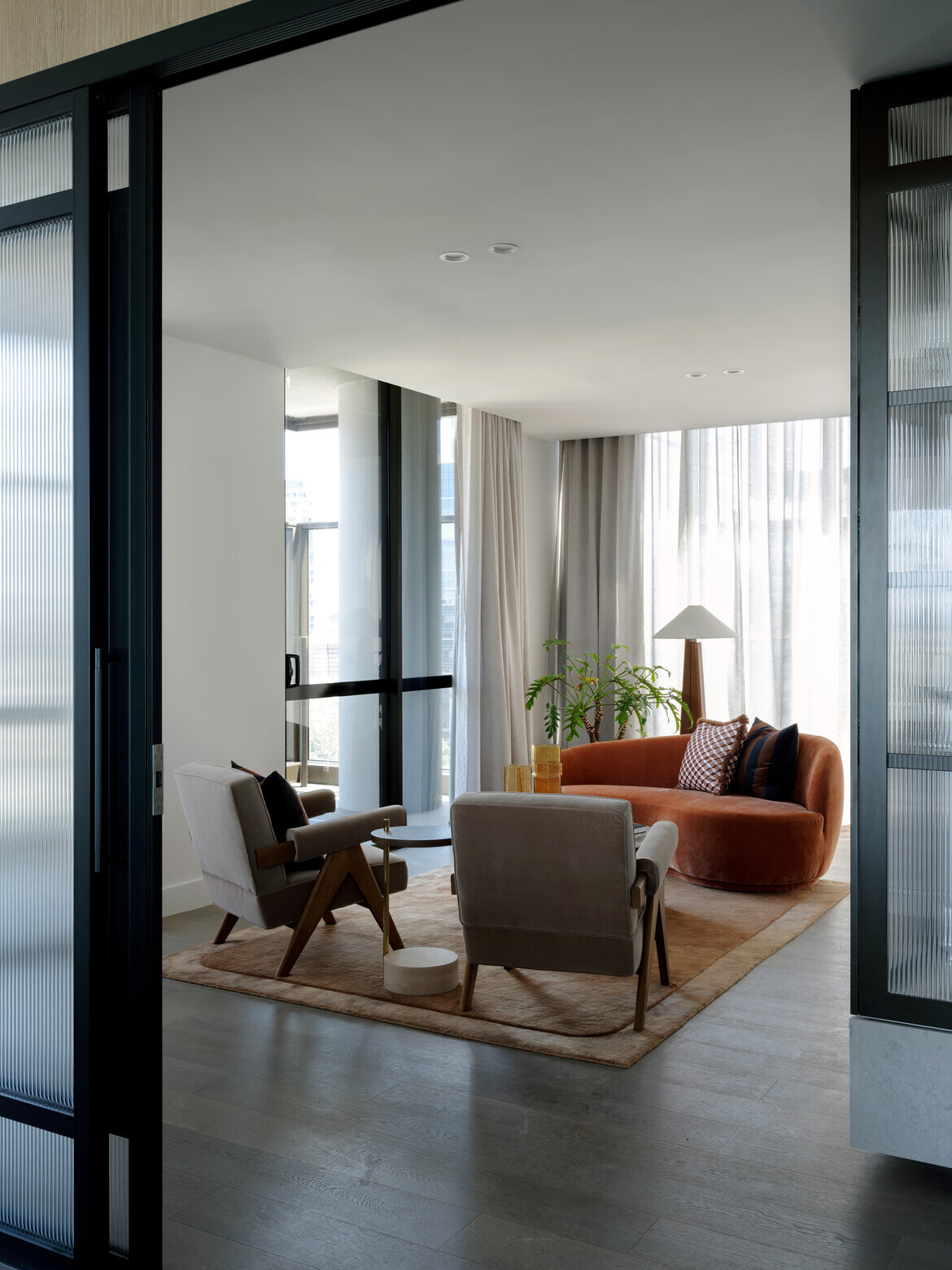
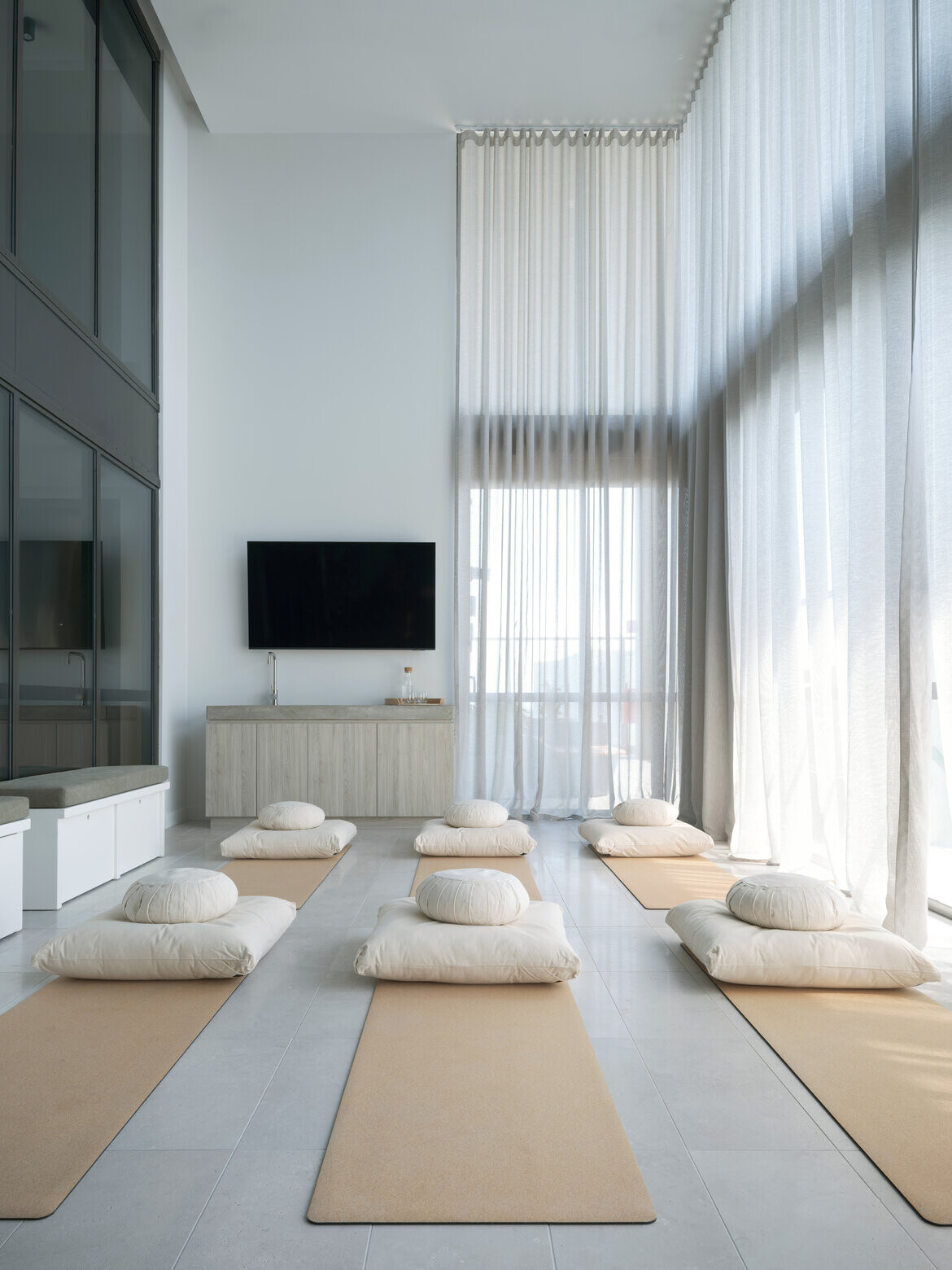
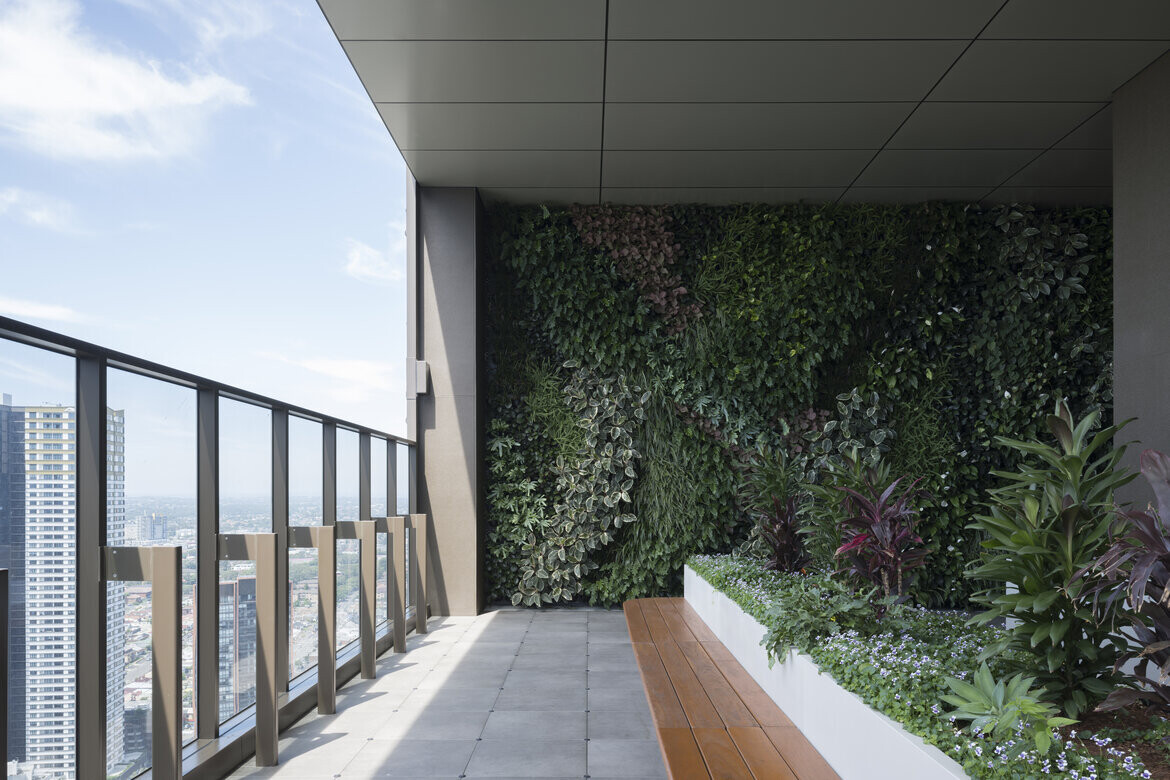
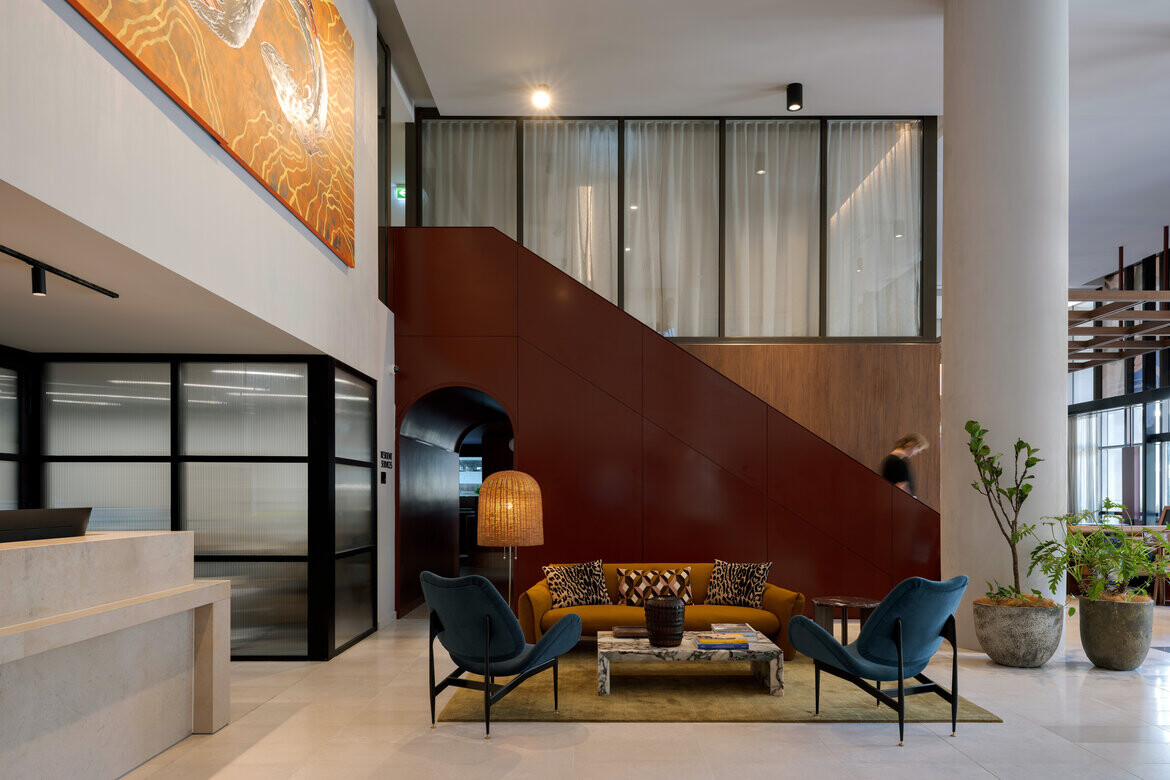
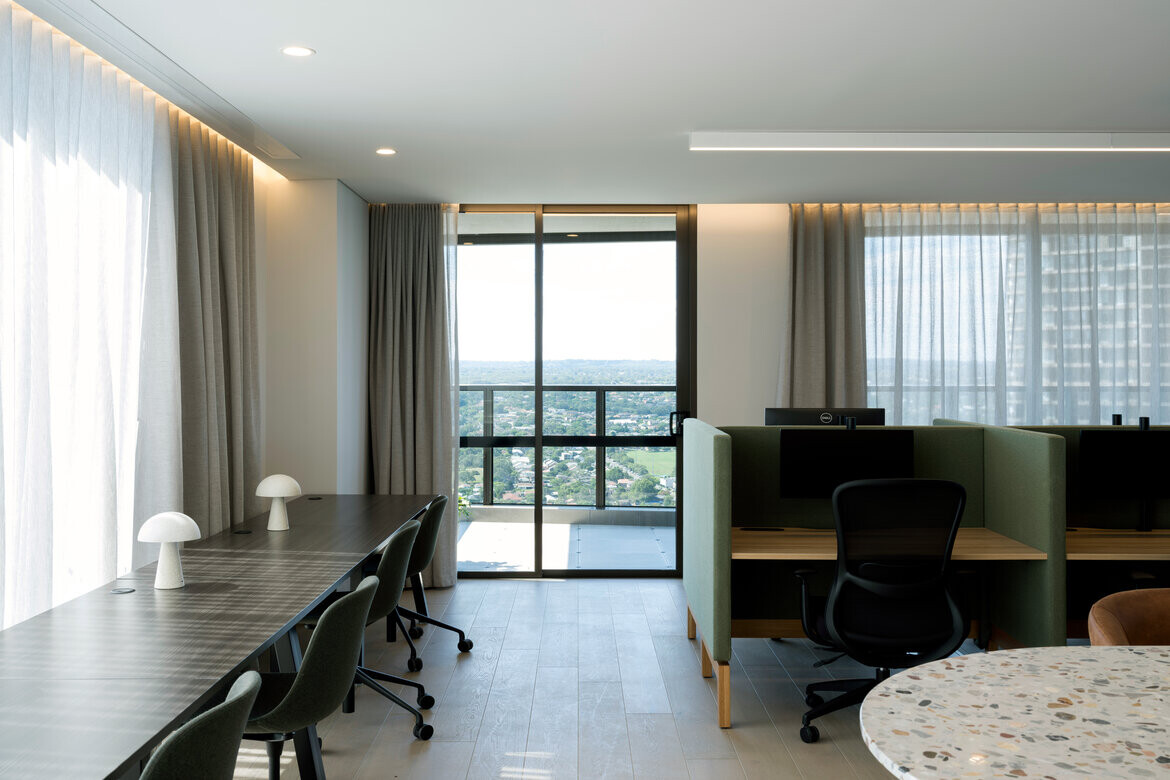
At HOME Parramatta, that meant placing greater emphasis on shared amenity, particularly external and communal spaces. The project works across different scales, with communal areas distributed throughout the building, including smaller spaces every four levels.
Related: 200 years down, 200 to go
Story continues below advertisement
This is one of the more useful moves in the project. Shared space in apartment buildings can easily become symbolic: included for the render, rather than for daily life. Byrne argues that communal amenity needs to account for different types of residents and different appetites for interaction.
“It’s not one size fits all,” he says. “Some people like big spaces with a lot of people, and some don’t.”
The smaller communal spaces create a different form of encounter. Rather than relying on a single destination amenity, the building introduces repeated points of contact: places where residents might pass through, pause or gradually recognise one another. “That meeting every four levels means building routine,” says Byrne.
Affordability is more complicated than adding apartments. HOME Parramatta contributes to supply, but Byrne distinguishes between putting a roof over someone’s head and changing the terms of rental living. In Australia, housing security is still closely tied to ownership, largely because renting is often less stable.
“There is a perception that renting long term is a bad thing,” he says. “We need to work together to remove that perception.”
For BTR to be meaningful, its strongest argument lies in long-term tenure: the possibility that renting could become secure enough to be chosen rather than merely endured.
“We need to figure out why renting is seen as not as comfortable as owning your own property,” says Byrne. “The answer is the lack of stability. But if you have a BTR model that guarantees long-term tenure, that is where we need to get to, so it’s not seen as second rate.”
This longer view also changes how sustainability might be understood. In BTR, the building is typically held under single ownership, meaning durability, maintenance and resident satisfaction matter over time.
“With BTR, you need a long-term approach on revenue,” says Byrne. “You’re not thinking in a five-year span. You’re thinking, am I putting together a building that needs maintenance over the next 50 years?”
HOME Parramatta’s most convincing contribution is its attempt to distribute amenity through everyday routines rather than contain it in a single showpiece zone. The project recognises that communal life in apartment buildings is uneven. Some residents want proximity and activity; others want privacy with the option of connection. Architecture needs to accommodate both.
Byrne expects BTR to become more common in Australia, particularly as operators develop clearer identities. He compares this to hotel brands, where familiarity can create a level of trust around service and experience. In housing, however, that trust depends not only on branding, but on whether residents feel they can stay.
The broader cultural shift remains unresolved. Australia’s attachment to ownership is deep, and BTR will not undo that by itself. But HOME Parramatta suggests one way the rental model might mature, if tenure, amenity and architectural quality are treated as part of the same problem.
Its value is not that it solves affordability. No single building does. Its value lies in making the design of rental housing less incidental. At HOME Parramatta, the apartment is only one part of the proposition. The rest sits in the shared rooms, outdoor spaces and daily encounters that might make long-term renting feel less like a compromise.
DKO
dko.com.au
Photography
Tom Ferguson