Green and Safe, Shanghai
Published
By
jesse
Both fresh produce and design are reassuringly ‘green’ at Shanghai’s newest organic restaurant. Andrea Fenn explores the A00 designed interior
It goes without saying that the latest organic restaurant in Shanghai was designed by the city’s big name in green architecture. What needs more explanation is how the architect tried to do as little as possible with the project.

Green and Safe is an organic marketplace, cafe, and restaurant owned by Yuen Foong Yu Biotech (YFY) – the organic food powerhouse running eco-friendly restaurants, farms, and catering services between Taipei and Shanghai.
To substantiate their green vocation, YFY bestowed renovation of an industrial brick complex in the city’s former French concession to A00, a Shanghai-based architecture firm specialising in sustainable design. And to limit the environmental impact of the venue, A00 adopted a minimalistic approach aimed at skimming all possible frills from the deco.

“Everything you add in a building becomes waste at the end of the construction lifecycle,” says A00 partner Sacha Silva, who was in charge of the project. “So here we decided not to add anything unless strictly necessary.”
During more than a year of renovation, Silva strove to remove all remnants of the opulently decorated French bakery that previously occupied the premises, revealing the original industrial structure of the building.
In the downstairs cafe and marketplace, the result is an airy space with an open kitchen, where the brutality of raw steel track light railings contrasts with the wholesomeness of fresh organic vegetables. Only a handful of elements tinge the aseptic austerity of exposed structural elements and white tiles, like terrazzo flooring and oak refectory tables and storage units. Silva exclusively selected locally produced materials to limit emissions during procurement and construction.

The upstairs evening restaurant has a slightly more elaborate deco, with patterned metal shades filtering the outside light and brass panelling adding an amber shade to the dim atmosphere.
The sole heavy-handed intervention in the project is the staircase, which was moved inwards from the previous location in front of the entrance. This required the opening of a new access hole and the severing of a structural beam. In contrast with the surrounding lightness, the staircase is a weighty cubicle of dark raw steel, designed to clearly separate the different feel of the two floors.

Established in 2004, A00 has a long record of sustainable buildings starting with the 2006 project URBN Hotel in Shanghai, which championed the use of reclaimed construction material and limited the employment of highly polluting PVC. In 2008, A00 set up Giga, a parallel research unit for sustainable materials and certifications that aims at guiding the firm’s architects towards a new frontier of sustainability.
“Traditional sustainability aims only at reducing the problem. We would like to develop architecture that is also positive towards the environment,” Silva points out.

In Giga and A00’s ideal of a new green architecture, ecological features and social responsibility in architecture go hand in hand. For this reason, Silva spent a great deal of time setting in Green and Safe’s facade by up to two meters, and upgrading the sidewalk into a larger public space for outdoor tables and passersby. A few steps inwards, but a little step forward in making architecture in China more responsible.
A00
Latest Projects
QLD
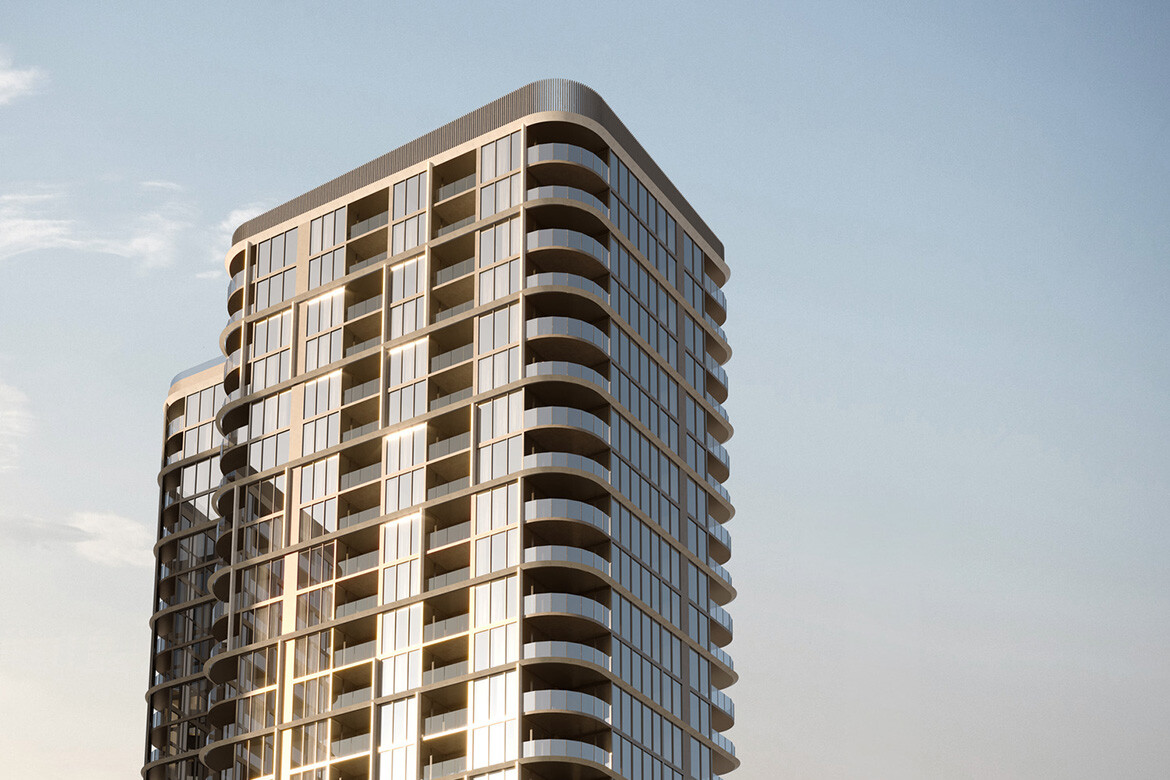
Living outside the box
At Northshore Hamilton, Plus Studio’s Danny Juric is looking beyond the apartment tower as an isolated object, drawing on mature trees, Brisbane’s subtropical climate and the rituals of outdoor living to shape Duet.
Project
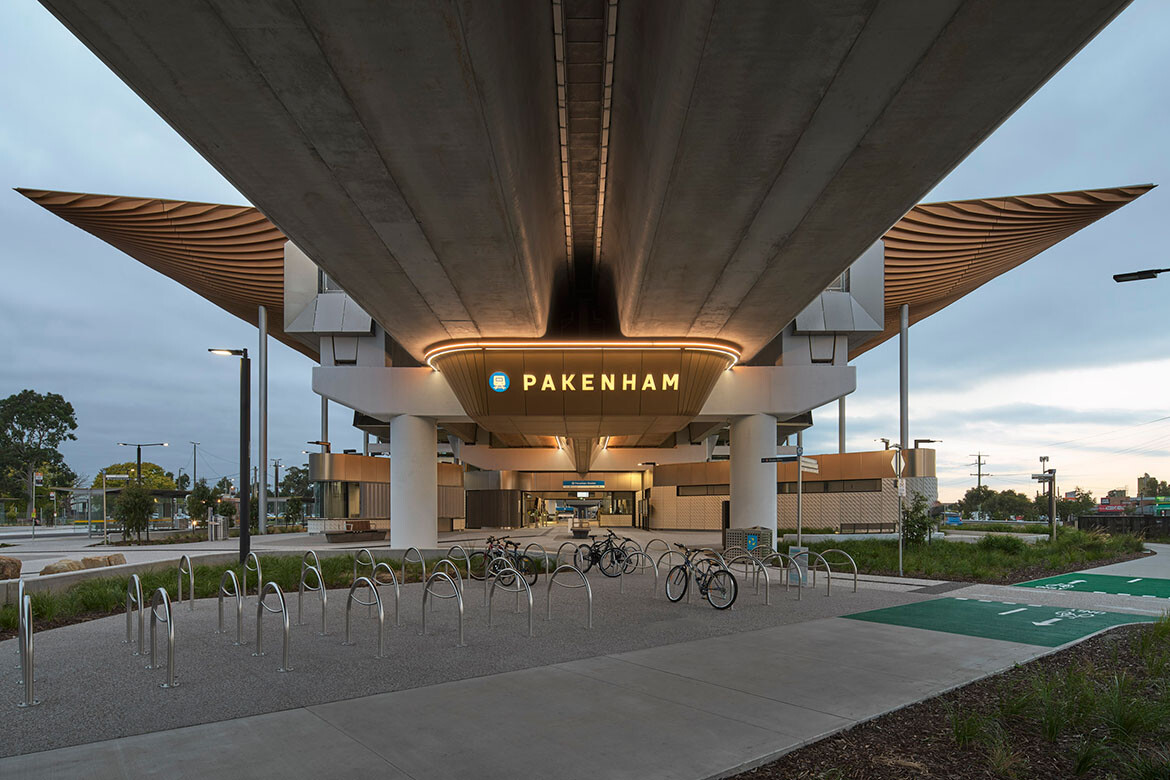
A civic gateway for Pakenham
Genton’s Pakenham Station transforms a utilitarian transport interchange into an open civic landmark, reconnecting the town through landscape, public space and infrastructure designed around Country.
Workplace
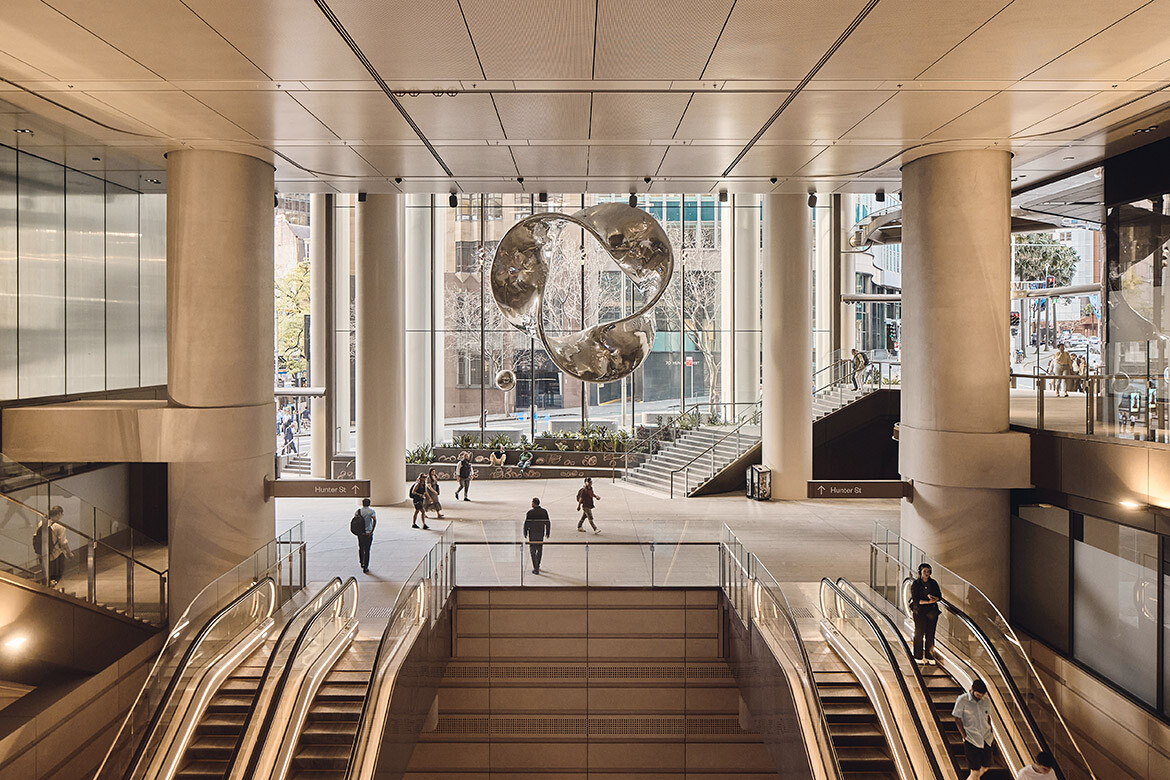
Per atria ad astra
In the very heart of Sydney’s CBD, 1 Elizabeth is a vast civic-scale project that integrates workplace design, transport infrastructure, event spaces, and hospitality around some dramatic void spaces.
Workplace
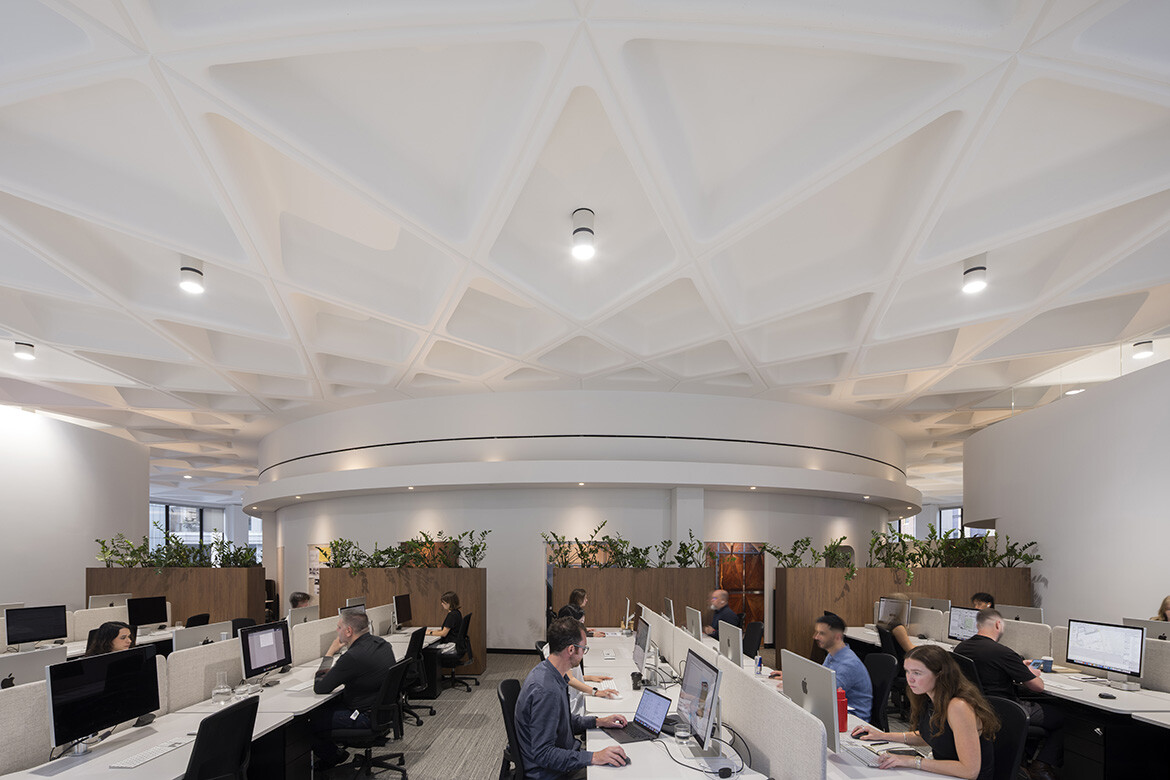
Seidler, Nervi and fjcstudio walk into an office tower
Set within hallowed architectural surroundings amidst the ghosts of Harry Seidler and Pier Luigi Nervi, fjcstudio’s new Sydney home brings geometric clarity and a spirit of creative exchange to a challenging workplace fit-out.