Creating Host
Published
By
jesse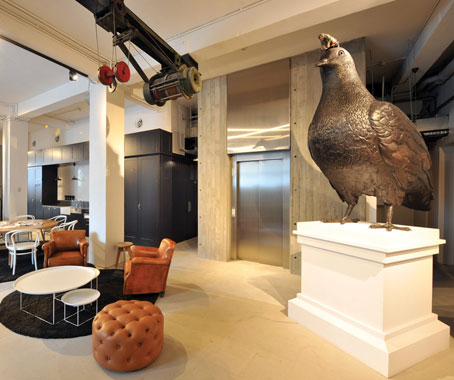
Turning a disused print shop into a contemporary office space provided a unique opportunity to design from the ground up.
Three conjoined derelict buildings in Sydney’s inner east suburb of Surry Hills were the framework for a new office space for creative agency Host.
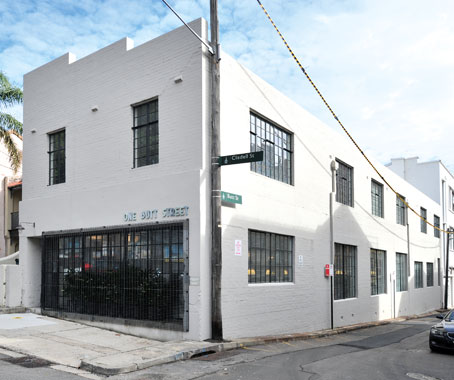
The project team, consisting of designers who|design (now merged with Group GSA), builders MPA Projects and engineers Medland Metropolis designed services from scratch for the abandoned structure.
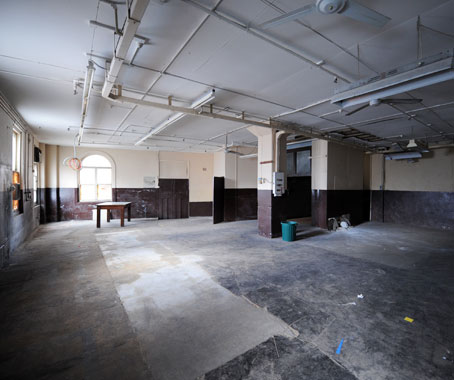
“Basically, it housed pigeons,” said Nick Crace, Director and Senior Project Engineer at Medland Metropolis, of the original state of the building.
“The services were done from the ground up, from the power reticulation to the lighting. [The building] had never been airconditioned before. We were starting from scratch.”
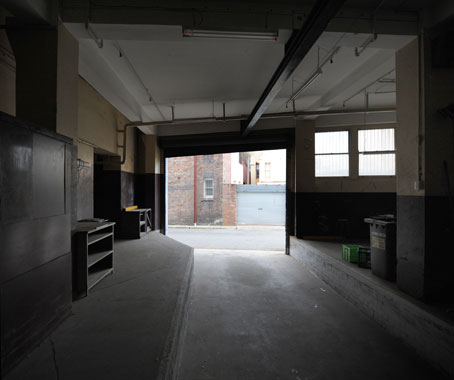
The creative re-use of the space offered a unique opportunity for the way services were provided, particularly from an engineering perspective.
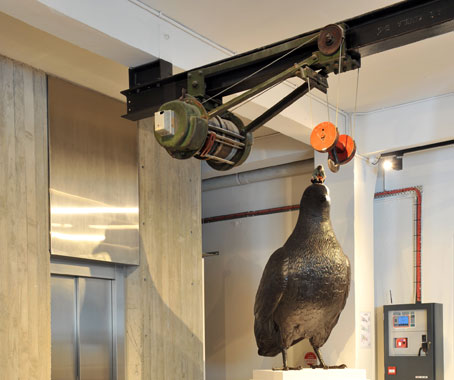
“We had the opportunity to think outside the square and be a bit more innovative in how we reticulated everything,” says Crace.
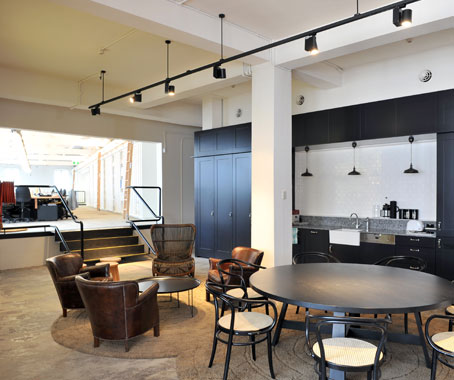
A sustainable outcome was one of the main drivers of the project, and it was made possible by the fully integrated design.
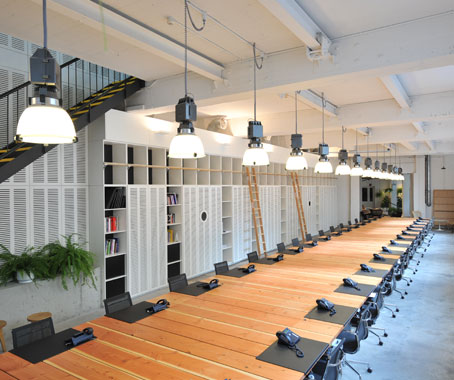
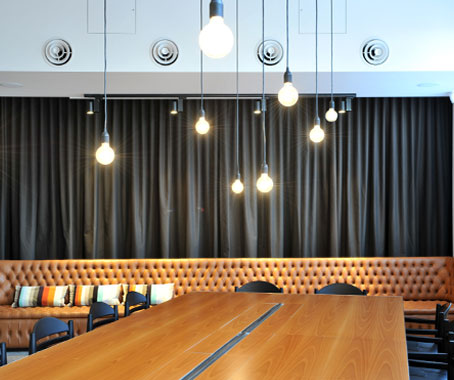
Lighting, for example, was designed based on its end of use. A mini substation – one of 2 of its kind in Australia – was built into the building for maximum efficiency and to save floorspace.
“By having services designed from the ground up, one of the advantages is that you can start with a clean sheet. And when it comes to sustainability, that’s the way to approach it,” says Crace.
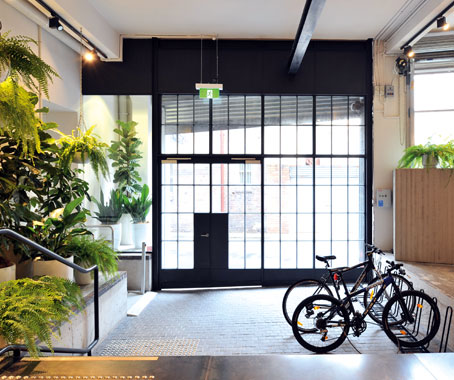
“If you can design the building with [sustainability] in mind from the beginning, you can get a better result.
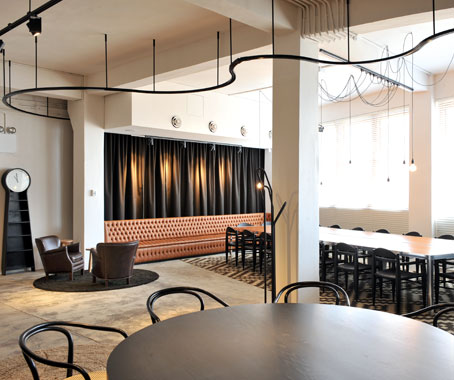
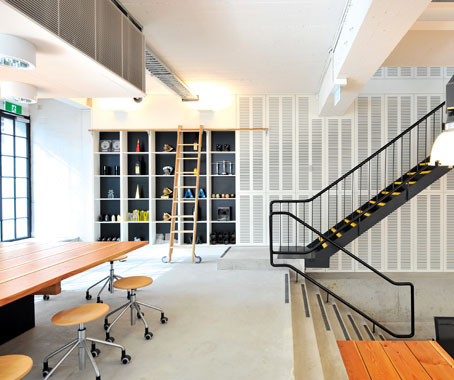
“For a successful commercial project, sustainability doesn’t have to cost you more money.”
Read more about Host in Issue 45 of Indesign magazine, available now.
Latest Projects
QLD
Living outside the box
At Northshore Hamilton, Plus Studio’s Danny Juric is looking beyond the apartment tower as an isolated object, drawing on mature trees, Brisbane’s subtropical climate and the rituals of outdoor living to shape Duet.
Project
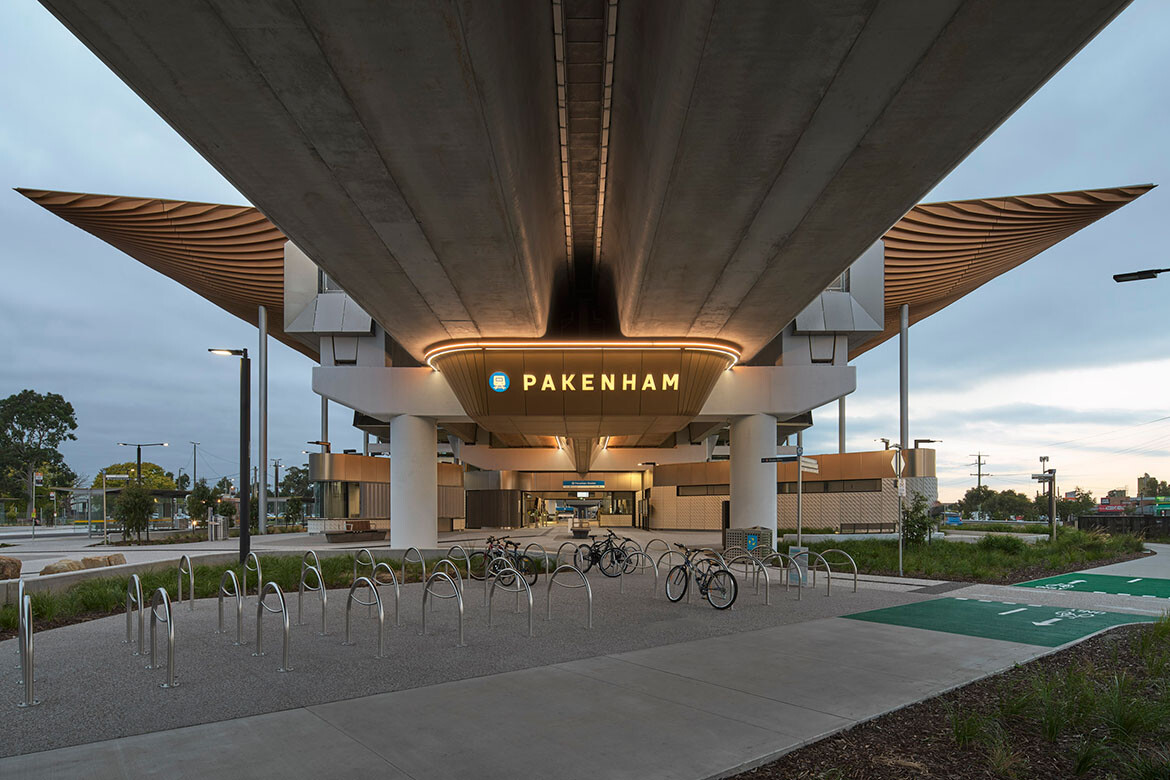
A civic gateway for Pakenham
Genton’s Pakenham Station transforms a utilitarian transport interchange into an open civic landmark, reconnecting the town through landscape, public space and infrastructure designed around Country.
Workplace
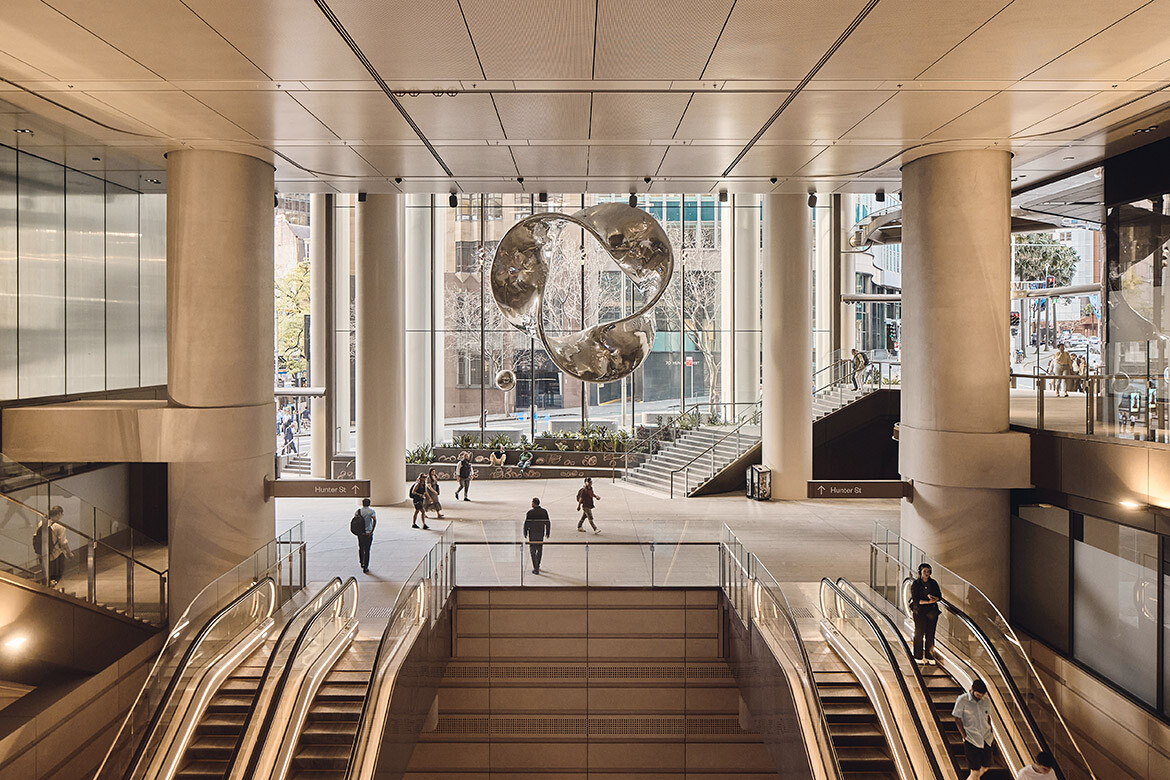
Per atria ad astra
In the very heart of Sydney’s CBD, 1 Elizabeth is a vast civic-scale project that integrates workplace design, transport infrastructure, event spaces, and hospitality around some dramatic void spaces.
Workplace
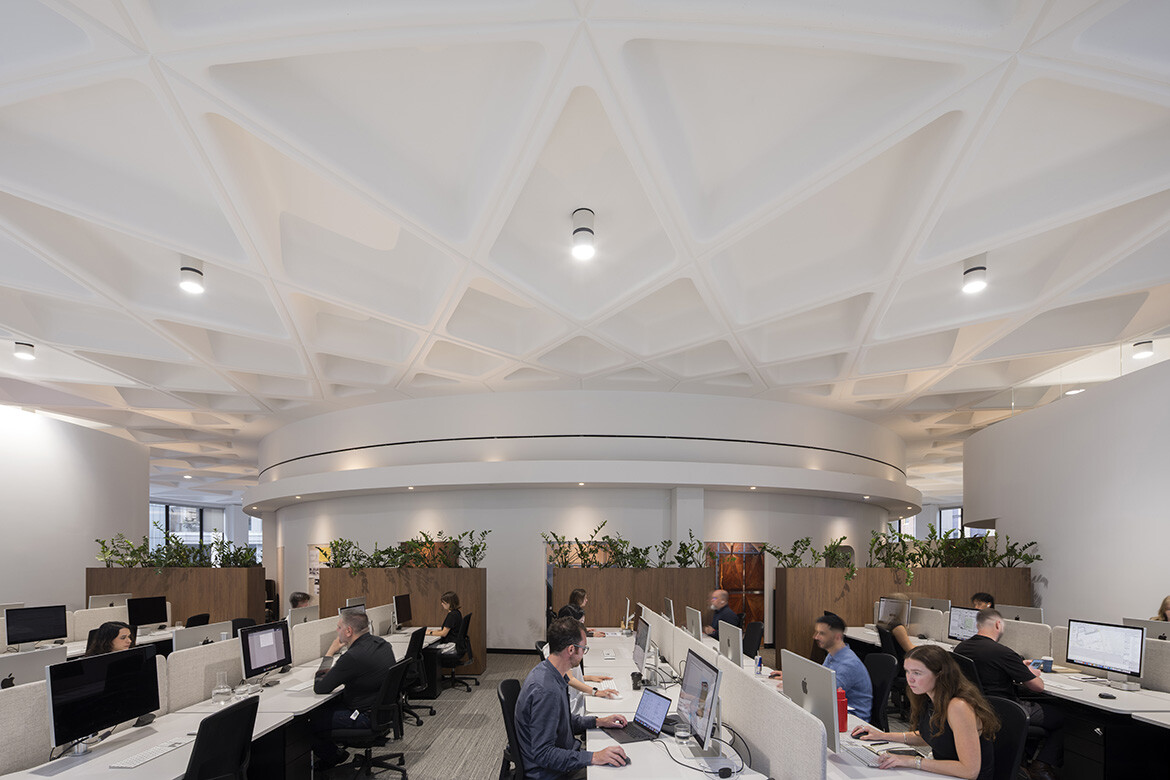
Seidler, Nervi and fjcstudio walk into an office tower
Set within hallowed architectural surroundings amidst the ghosts of Harry Seidler and Pier Luigi Nervi, fjcstudio’s new Sydney home brings geometric clarity and a spirit of creative exchange to a challenging workplace fit-out.