The home of architecture and design in the Asia-Pacific
Get the latest design news direct to your inbox!

Get the latest design news direct to your inbox!
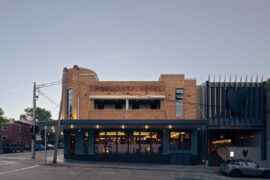
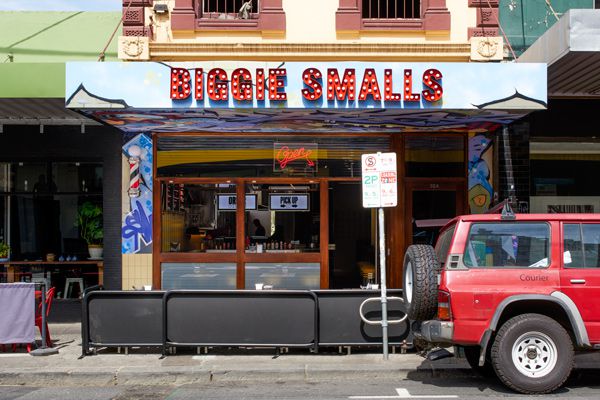
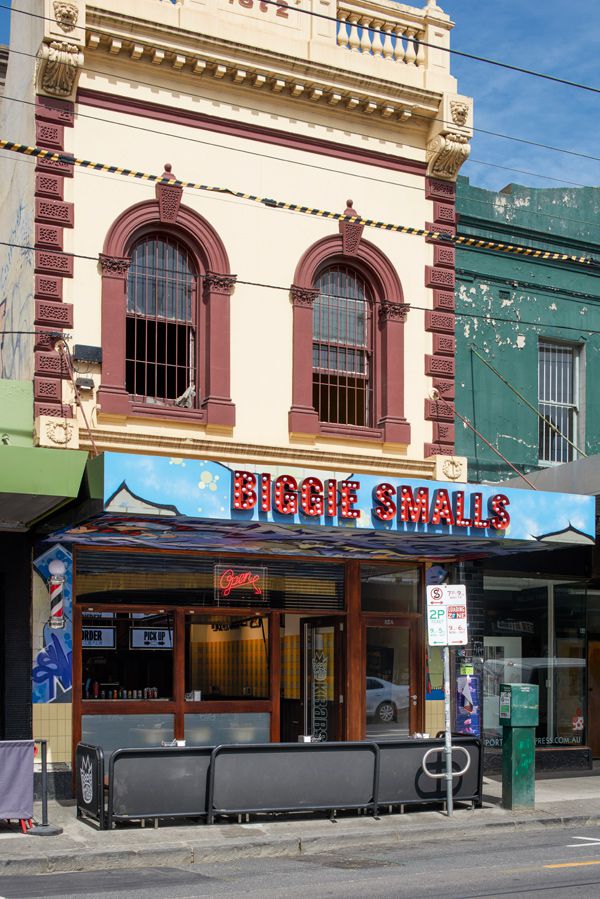
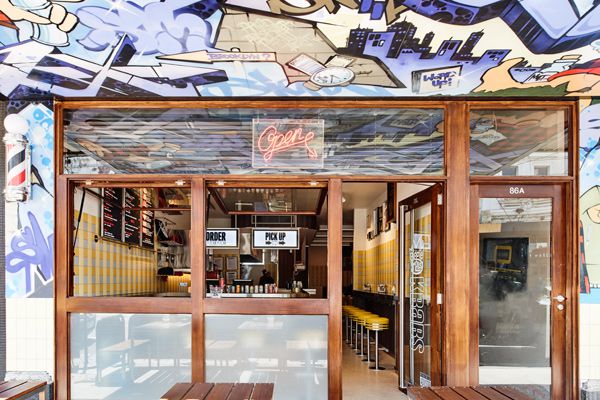
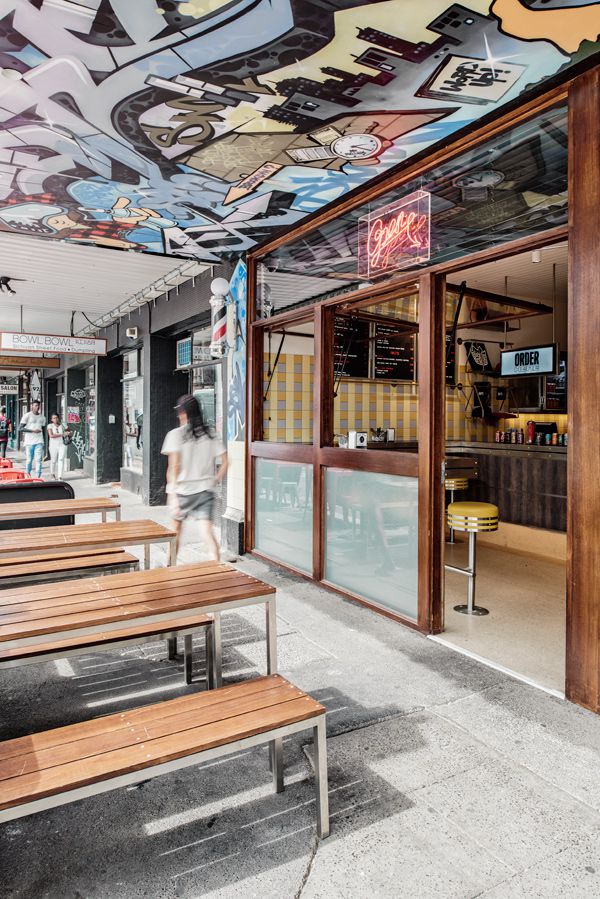
Biggie Smalls is a new hip-hop and New York City inspired kebab restaurant in Melbourne’s Collingwood, designed by Technē Architecture + Interior Design.
April 7th, 2016
Biggie Smalls is the second restaurant Melbourne chef Shane Delia has opened, following the highly acclaimed Maha. Rather than replicating the style or aesthetic of that middle-eastern inspired establishment though, Biggie Smalls channels a New York hip-hop style for its kebabs.
Located on Smith Street, Biggie Smalls, named after legendary Brooklyn rapper Christopher Wallace aka The Notorious B.I.G., combines two of Delia’s personal passions: kebabs and hip-hop.
Technē’s design for the space reflects the streets of Brooklyn where Biggie himself grew up, and the aesthetic complements the laidback approach to the food, compared to the more traditional Maha.
“We wanted to create a space that captured the spirit of 80s and 90s NYC and would become a relevant part of the local social fabric,” Technē Lead Interior Designer, Kate Archibald.
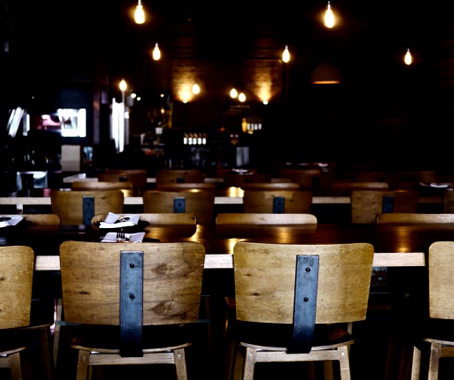
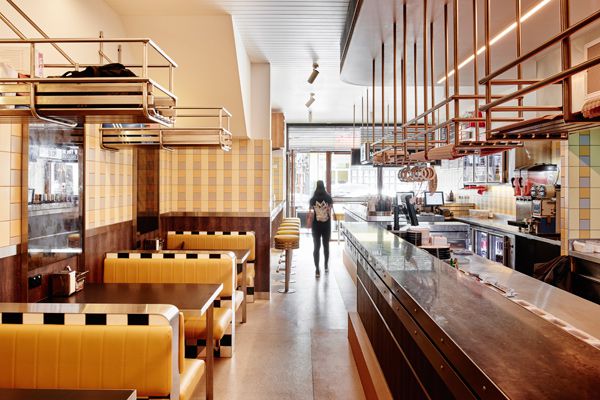
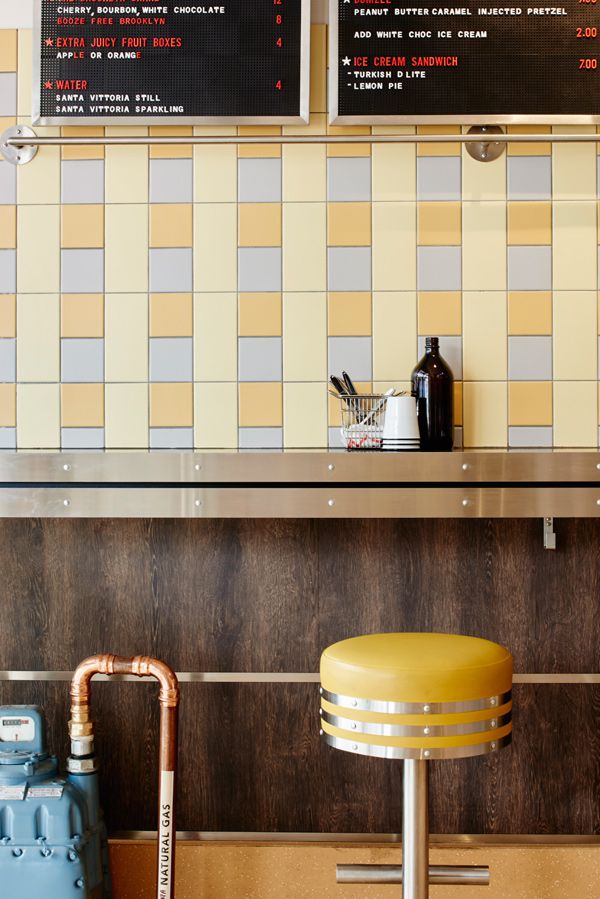
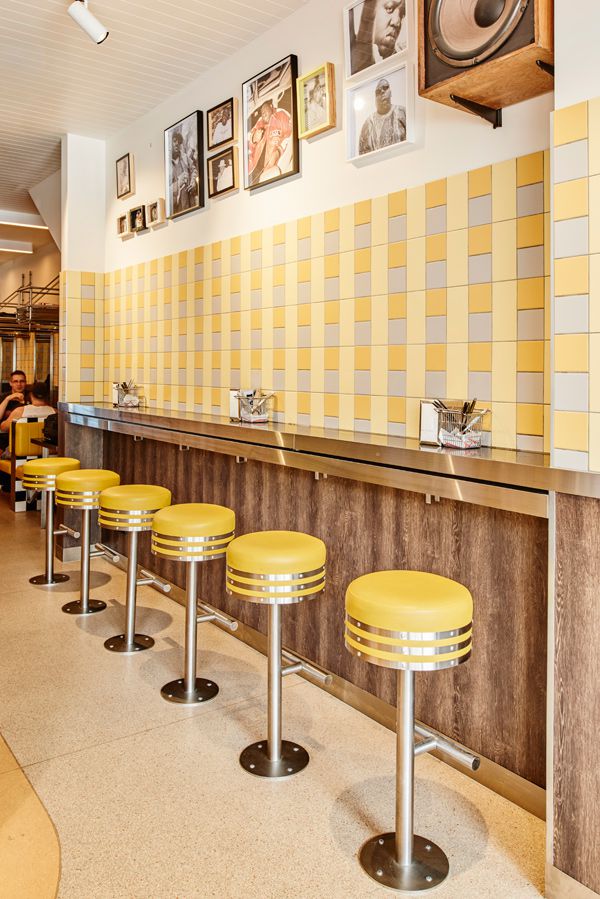
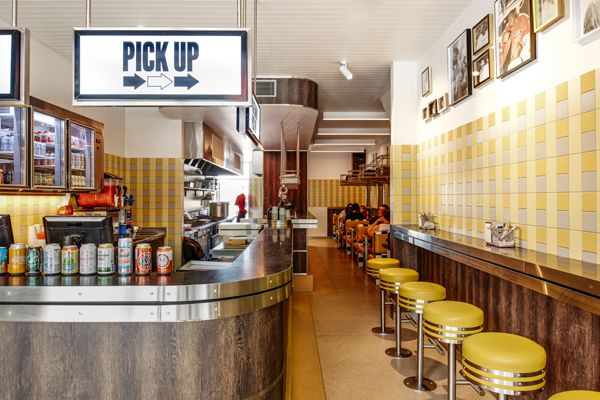
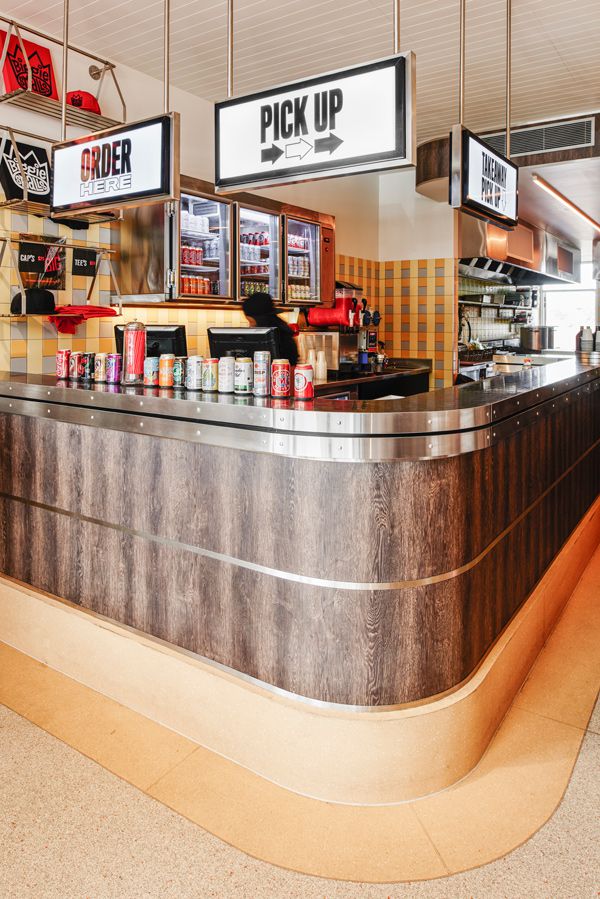
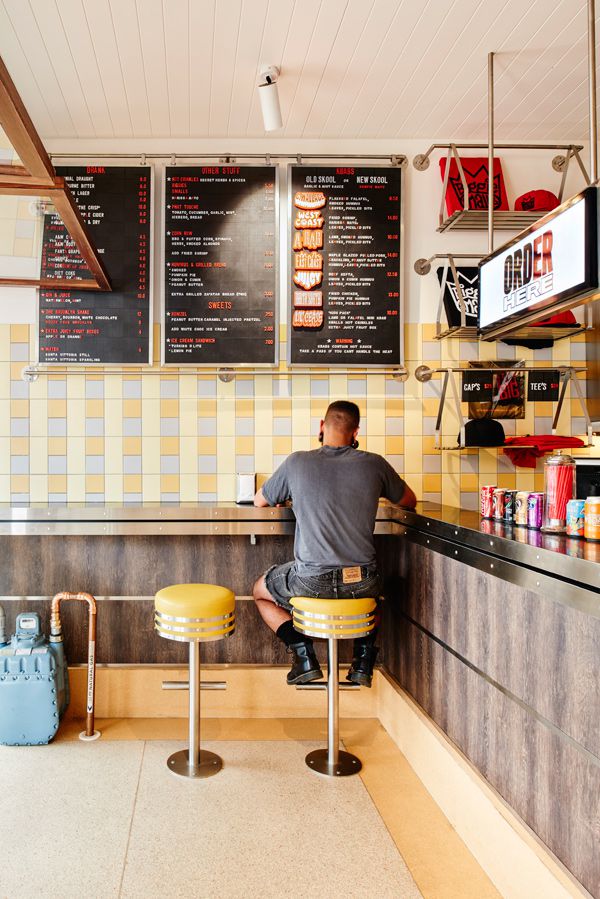
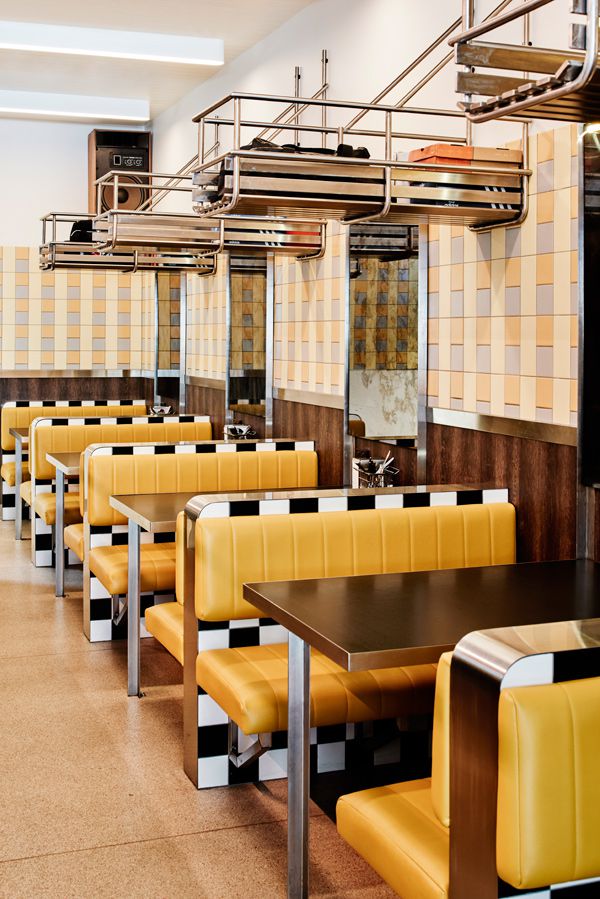
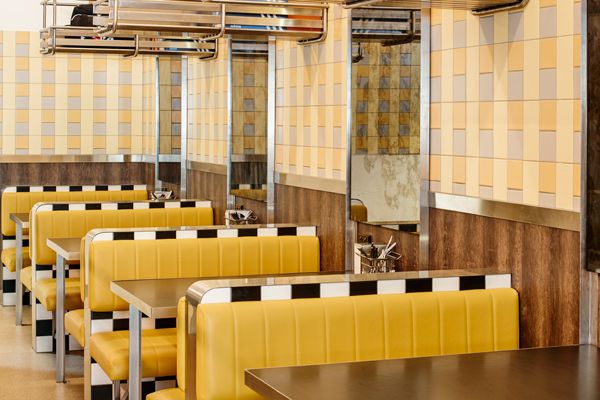
Referencing the iconic design of so many New York diners, Technē worked with a material palette of stainless steel, vinyl, coloured tiles and timber laminate.
“We wanted to create a New York diner meets locals-only neighbourhood bar,” Archibald says, with booths upholstered in yellow with black and white-chequered trim, recalling visions of New York taxis. In a fun twist, chrome luggage racks, as known in New York subway cars, appear overhead.
Whilst the design of the space, and accompanying hip-hop heavy soundtrack, is pure New York, the menu brings influences of Delia’s Middle Eastern heritage.
“The world doesn’t really need another traditional kebab joint, but there’s nothing traditional about Biggie Smalls,” Delia says, “I wanted somewhere with a something better than Carlton Draught on tap, no cheesy hip hop paraphernalia and a menu that’s in keeping with Melbourne’s world-class dining scene.”
Technē Architecture + Interior Design
techne.com.au
Biggie Smalls Kbabs
biggiesmalls.com.au

INDESIGN is on instagram
Follow @indesignlive
A searchable and comprehensive guide for specifying leading products and their suppliers
Keep up to date with the latest and greatest from our industry BFF's!
The internet never sleeps! Here's the stuff you might have missed