ATO Only Government Winner at ACT RAIA
Published
By
jesse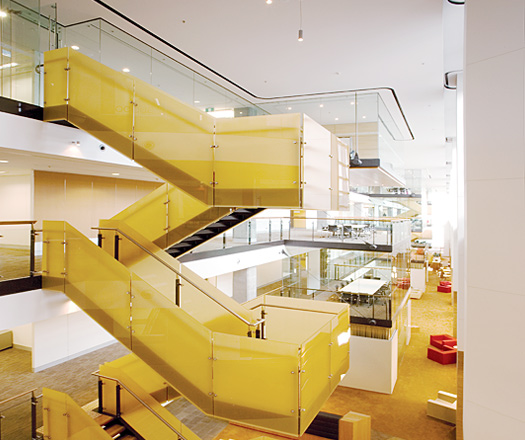
The annual RAIA Awards have been taking place in each Australian state since May. ACT saw the Woodhead designed ATO project announced as the only government project in the state to pick up an award.
The RAIA Architecture Awards honour excellence in all areas of architecture and are the profession’s most prestigious awards.
ACT held their chapter’s award night on June 21st, seeing Woodhead pick up the only award for a Government project for the Australian Taxation Office (ATO) headquarters in Canberra.
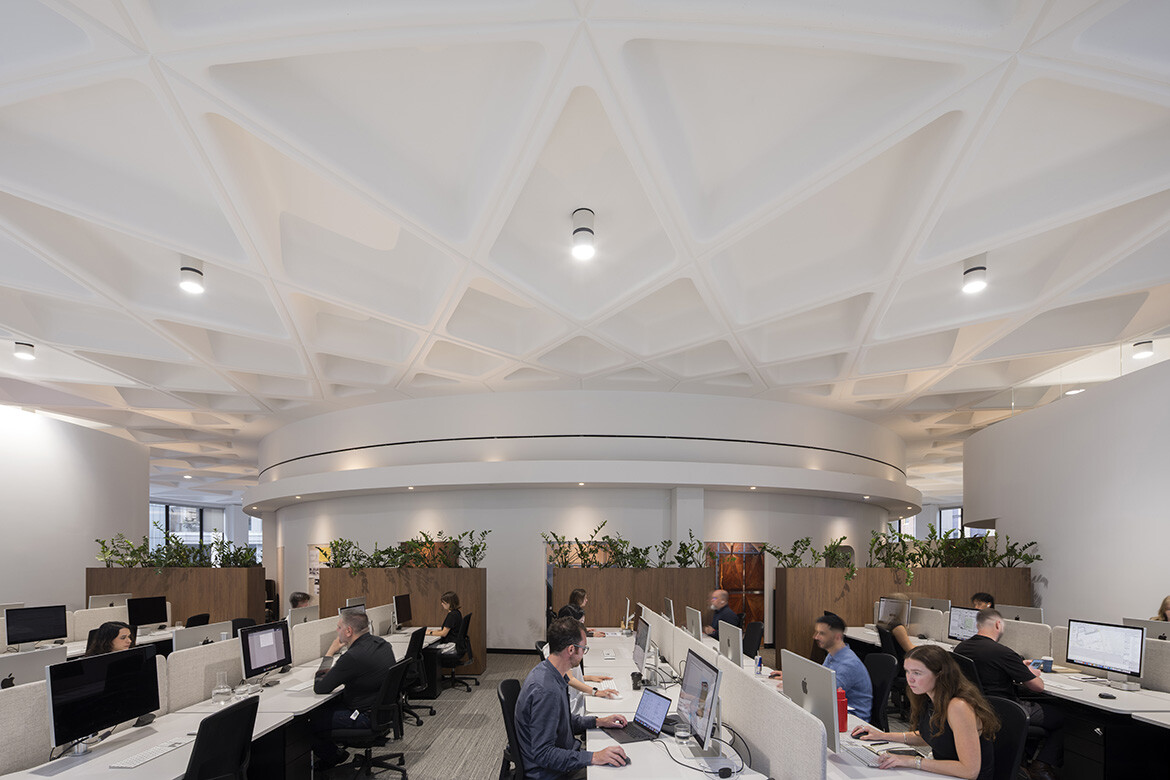
Woodhead won the ‘Commendation for Interior Architecture’ award for the project in the Interior Architecture category.
The jury, which included Richard Johnson and Virginia Haussegger said that the ATO’s achievement is all the more remarkable given the decline of the Government’s role in driving Canberra’s work place design.
Johnson said, “This project has the hallmark of a positive and fruitful relationship between the client and architect, with the happy result being an enjoyable and engaging interior.”
According to Woodhead Principal and project designer, Angelo Di Marco, the ATO was designed to attract and retain high-quality staff and enhance creativity.
“The building matches the ATO’s workplace requirements but also creates a sense of place that resonates with Canberra as a seasonal city.”
“The success of the design for the ATO has been reflected in its overwhelmingly positive reception by our client, their staff and now this further recognition by the RAIA through the award.”
The national RAIA awards will be announced on October 30.
Latest Projects
QLD
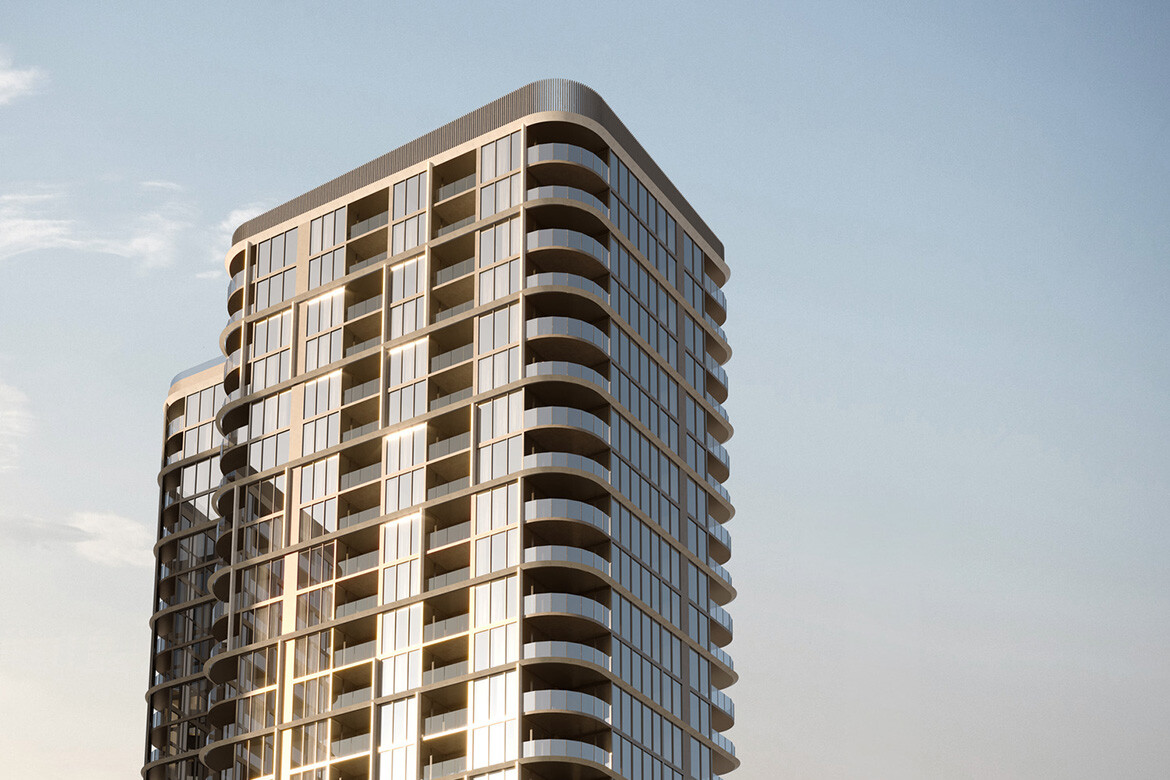
Living outside the box
At Northshore Hamilton, Plus Studio’s Danny Juric is looking beyond the apartment tower as an isolated object, drawing on mature trees, Brisbane’s subtropical climate and the rituals of outdoor living to shape Duet.
Project
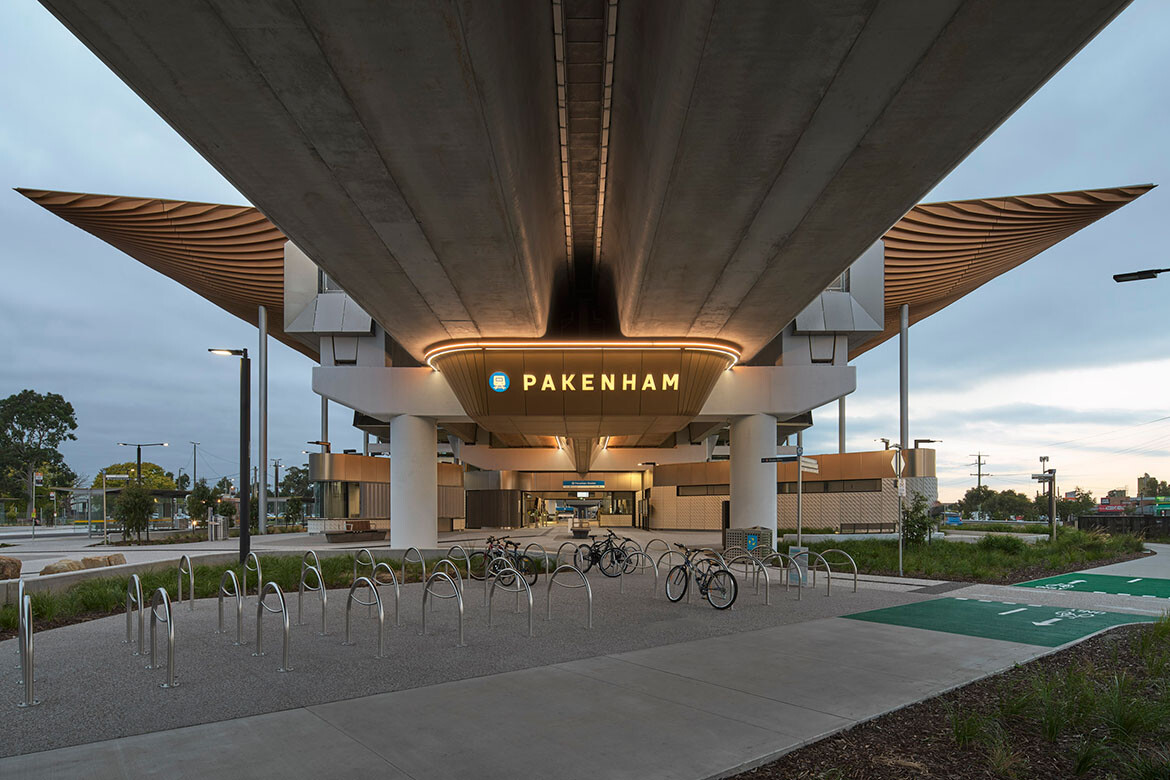
A civic gateway for Pakenham
Genton’s Pakenham Station transforms a utilitarian transport interchange into an open civic landmark, reconnecting the town through landscape, public space and infrastructure designed around Country.
Workplace
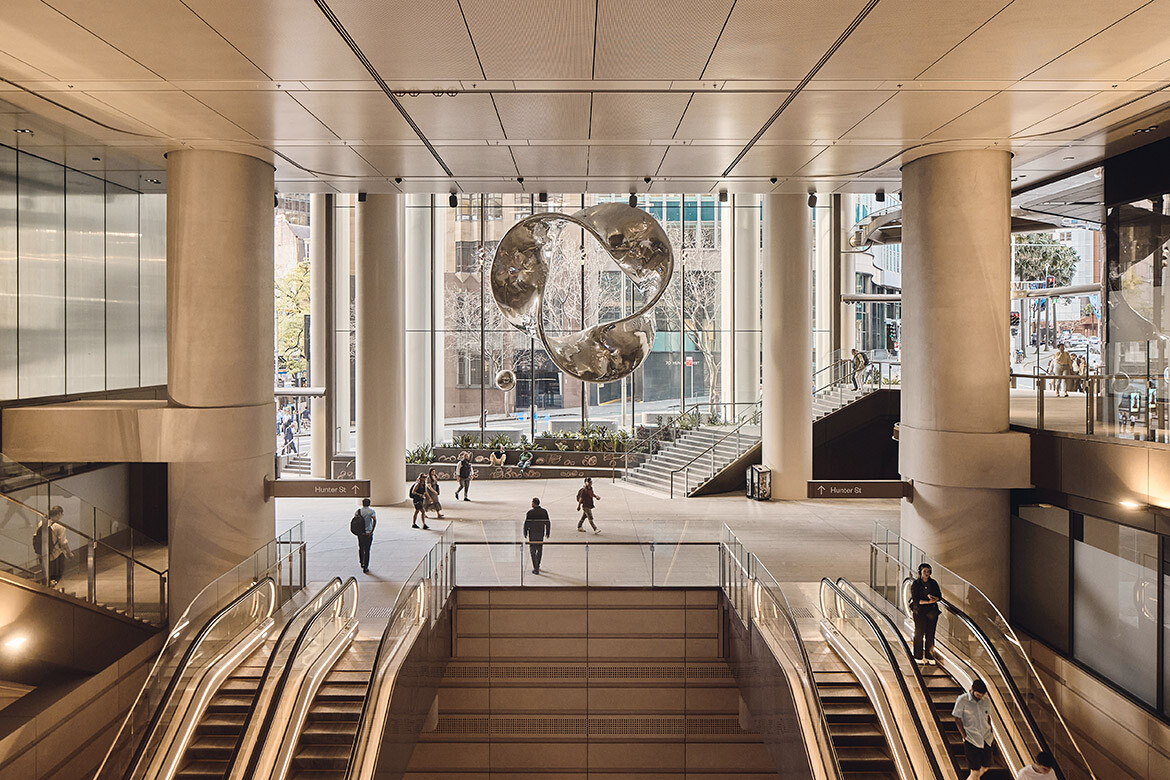
Per atria ad astra
In the very heart of Sydney’s CBD, 1 Elizabeth is a vast civic-scale project that integrates workplace design, transport infrastructure, event spaces, and hospitality around some dramatic void spaces.
Workplace
Seidler, Nervi and fjcstudio walk into an office tower
Set within hallowed architectural surroundings amidst the ghosts of Harry Seidler and Pier Luigi Nervi, fjcstudio’s new Sydney home brings geometric clarity and a spirit of creative exchange to a challenging workplace fit-out.