The home of architecture and design in the Asia-Pacific
Get the latest design news direct to your inbox!

Get the latest design news direct to your inbox!
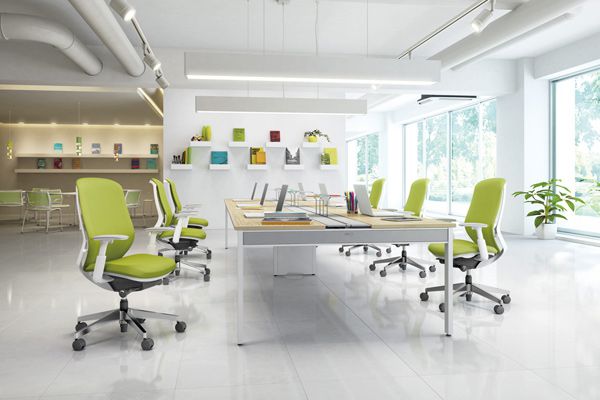
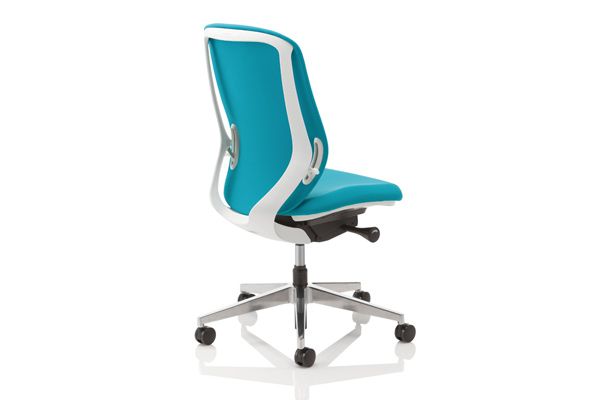
The Sylphy chair, from Japan’s Okamura, has been designed to feature a perfect fit between the back and the back support.
January 1st, 2016
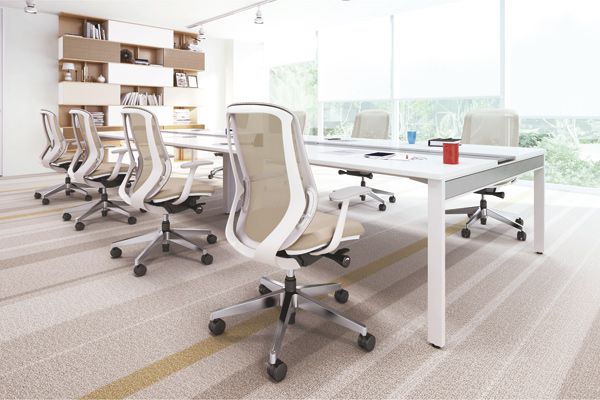
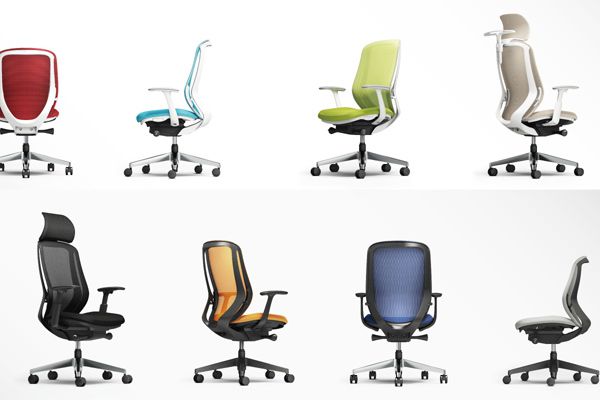
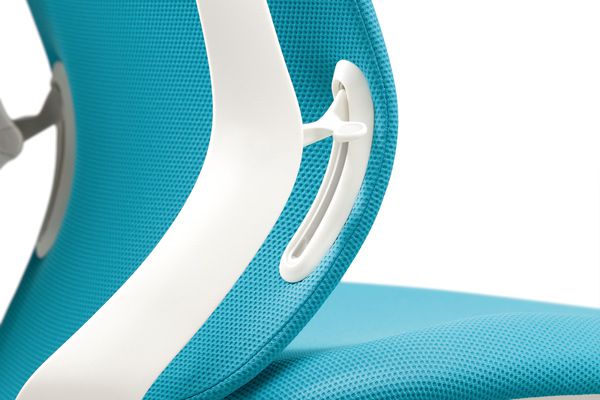
Designed with flexibility and personalization in mine, the Sylphy chair has a unique back curve adjustment feature, allowing it to suit any back size. Combine this with multi-density cushioning, a 3D curve and a hovering frame, and the result is a comfortable, supportive chair that provides optimal support and comfort for today’s modern office.
The minimalist design of Sylphy’s allows it to suit any office environment. This unobtrusive design allows for customisations such as a mesh or upholstered back, optional arms and a beautiful colour palette.
Greenguard certified and made of 30% recycled materials through eco-friendly practices, Sylphy is made with future recyclability in mind and available in Australia exclusively through UCI.
UCI
uci.com.au
Okamura
okamura.jp
INDESIGN is on instagram
Follow @indesignlive
A searchable and comprehensive guide for specifying leading products and their suppliers
Keep up to date with the latest and greatest from our industry BFF's!
The internet never sleeps! Here's the stuff you might have missed