The home of architecture and design in the Asia-Pacific
Get the latest design news direct to your inbox!

Get the latest design news direct to your inbox!
Sean Dix’s latest collection is inspired by vintage furniture from the 1950s and 1960s.

November 2nd, 2011
The work of international project studio Sean Dix spans retail, art direction, interior design and furniture design. Dix has worked for Tom Dixon, James Irvine and Sottsass, and his long list of clients includes Moschino, Bluebell, Harrods Design Within Reach, Edimass and Byblos.
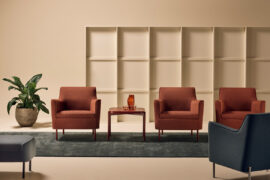
Dix’s latest furniture collection was born out of the designer’s passion for vintage furniture from the 1950s and 1960s.
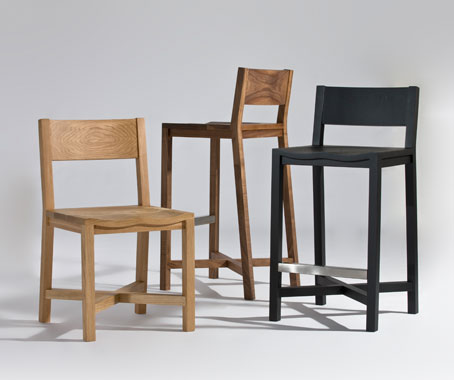
Tomoko chairs
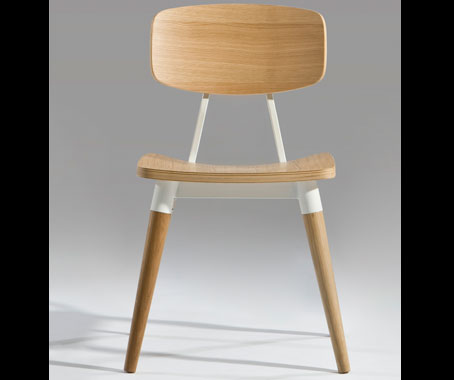
Copine chair
The Copine and Tomoko chairs and Dowel lounge reference earlier times whilst retaining a modern twist.
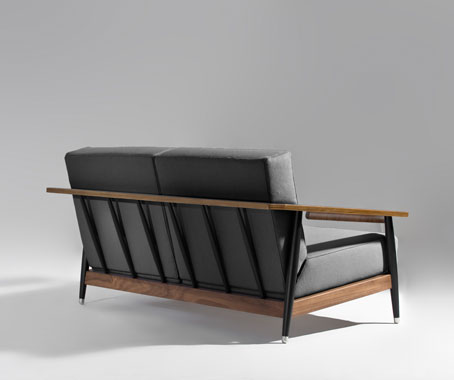
Dowel sofa
Sean Dix’s latest collection is available in Australia exclusively through Zenith Interiors.
Zenith Interiors
zenithinteriors.com.au
INDESIGN is on instagram
Follow @indesignlive
A searchable and comprehensive guide for specifying leading products and their suppliers
Keep up to date with the latest and greatest from our industry BFF's!
The internet never sleeps! Here's the stuff you might have missed