The home of architecture and design in the Asia-Pacific
Get the latest design news direct to your inbox!

Get the latest design news direct to your inbox!
A traditional Tibetan technique creates timeless rugs.
July 1st, 2010
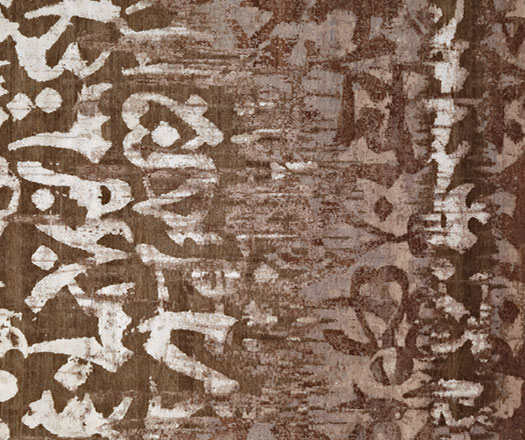
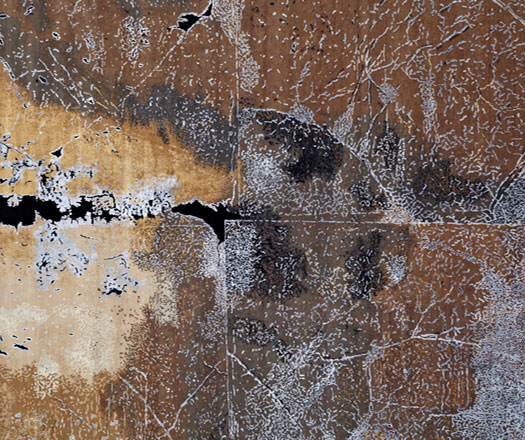
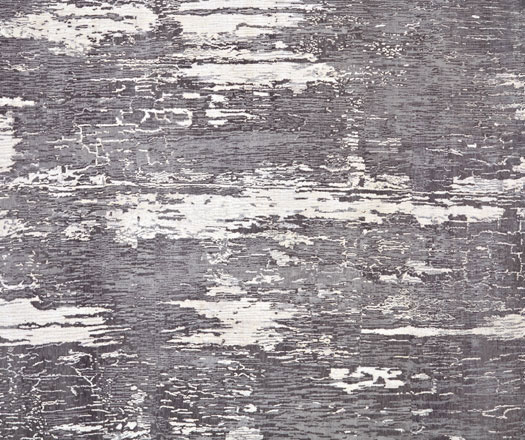
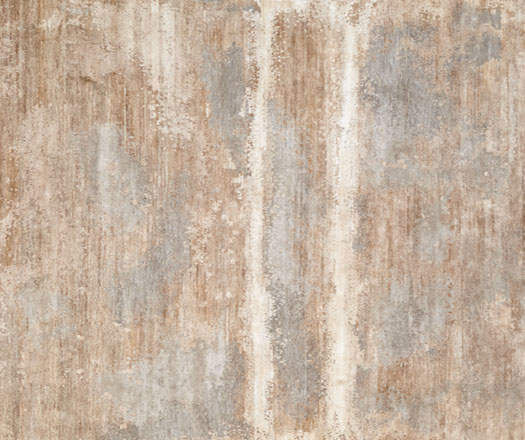
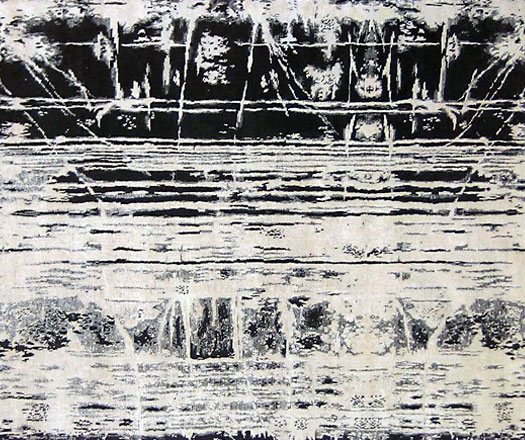
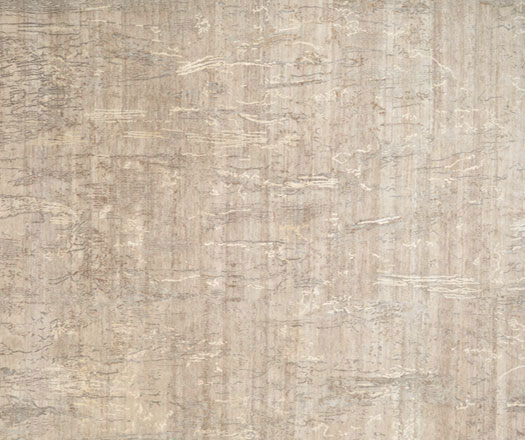
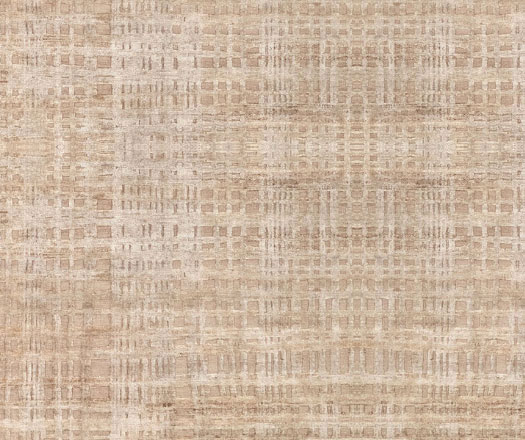
Designed by Arman J. Vartian, RC&D’s new range of rugs were hand-knotted in Kathmandu, made from natural fibres such as wool, silk, hemp and giant nettle.
Each rug is unique and created using traditional weaving techniques handed down from generation to generation.
The unique appearance of the rugs, originates from a combination of hand carding and hand-dyeing of the textured Himalayan wool.
The entire development process is done by hand, the best method for maintaining elasticity and strength in rug making.
The quality of the products is traced all the way back to the Tibetan sheep, known for producing lustrous, resilient, lanolin-rich wool, which is considered the finest in the world for rug production.
In order to preserve the natural lanolin, personality and character of its fibres, the Himalayan wool is never bleached or scoured, but hand washed in local rivers to remove impurities, where after it is laid out on riverbanks to naturally dry in the sun.
The wool is sorted according to colour variations; white, beige, dark brown & black, as Tibetan sheep are not bred for uniformity.
The variety of shades in wool combined with the use of fibres such as silk, hemp, nettle & linen, provide depth and a brash aesthetic for which Tibetan carpets are known.
The wool is carded, spun & dyed by hand, which results in a spectacular rich, worn-in look that reflects a subtle lustre.
The design of the rug is drawn on a grid that the weavers use as a blueprint to create each rug – the rugs are then knotted by hand on a traditional loom, one knot at a time.
Once the rug is woven, it is levelled with large shears, and then finely detailed with light carving between colors, adding subtle impact to the rug design.
Finally the rugs are hand washed and laid in the sun to dry.
It takes hundreds, sometimes thousands of hours to create each of these unique rugs.
Materials
Himalayan wool, silk, hemp, giant nettle, linen.
Dimensions
2.5 x 3.5m (h)
RC&D
rc-d.com.au
INDESIGN is on instagram
Follow @indesignlive
A searchable and comprehensive guide for specifying leading products and their suppliers
Keep up to date with the latest and greatest from our industry BFF's!
The internet never sleeps! Here's the stuff you might have missed