The home of architecture and design in the Asia-Pacific
Get the latest design news direct to your inbox!

Get the latest design news direct to your inbox!
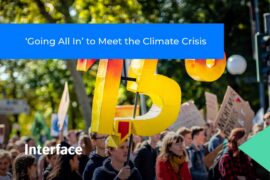
Global carpet tile producer InterfaceFLOR makes great strides on its journey to Mission Zero.
January 12th, 2011
2020 was the date set by InterfaceFLOR founder Ray Anderson to achieve the company’s vision of eliminating its negative impact on the environment.
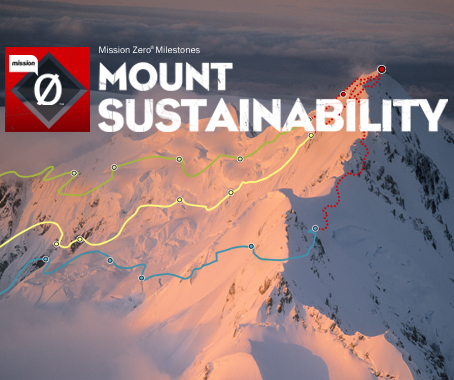
Sixteen years into the journey, InterfaceFLOR continues its pursuit of sustainable operation and identifies key milestones along the way.
Reducing InterfaceFLOR’s carbon footprint is key to Mission Zero. Since 1995 the global company has implemented programs that have helped to avoid $433 million in waste cost. Out of nine manufacturing facilities worldwide, eight operate with 100% renewable electricity.
The company is pioneering a recycling program called ReEntry, which hopes to achieve a complete transition to recycled fibres in its products by 2020. The company is expanding its access to recycled material by diverting 100 000 tonnes of carpet from landfill for re-use.
Mission Zero has involved a change in the way products are envisioned, designed and made, for example by using recycled and biobased materials.
Innovative ideas are impossible without an inspired, shared culture. InterfaceFLOR is recognised by experts as a global leader in the sustainable business movement, as evidenced by its high ranking in Globescan’s recent Sustainability Survey.
As the journey towards Mission Zero continues, InterfaceFLOR demonstrates how a bold vision and company-wide commitment can positively impact an organisation’s products and practice.
Explore InterfaceFLOR progress so far and challenges ahead.
InterfaceFLOR
interfaceflor.com.au
INDESIGN is on instagram
Follow @indesignlive
A searchable and comprehensive guide for specifying leading products and their suppliers
Keep up to date with the latest and greatest from our industry BFF's!
The internet never sleeps! Here's the stuff you might have missed