The home of architecture and design in the Asia-Pacific
Get the latest design news direct to your inbox!

Get the latest design news direct to your inbox!
Interface is renowned for its sustainable approach to making carpet. In this latest initiative, fishing nets are being transformed into carpet tiles.
October 13th, 2014

Interface is famously known for its Mission Zero vision – a plan that involves eradicating its environmental footprint by the year 2020. And one of its latest initiatives, in partnership with Zoological Society of London and its yarn supplier Aquafil, is leading it one step closer to its goal.

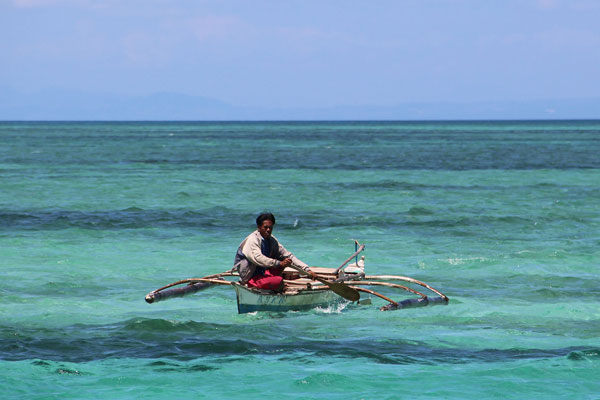
The Net-Works programme has established a community-based supply chain for collecting discarded fishing nets in rural coastal areas in the Philippines. These are then turned into recycled nylon that Interface is able to utilise in its carpet tile production.
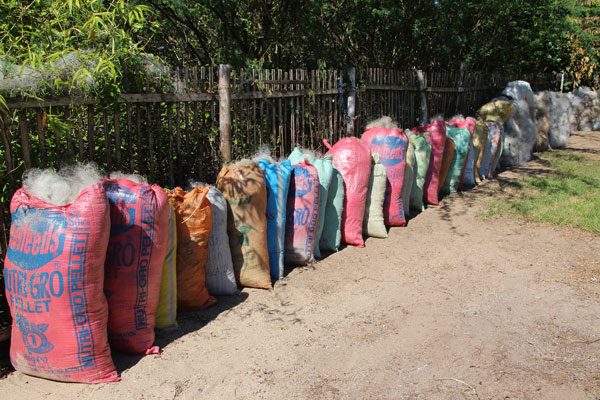
In the first two years alone, more than 35,000kg of old and unwanted fishing nets have been collected, helping 4,500 villagers in 24 communities in Danajon Bank and the Bantayan Islands (one of only six double-barrier reefs in the world). If not collected, the nets would have ended up on beaches or in the sea, ultimately taking a toll on the environment and marine life.
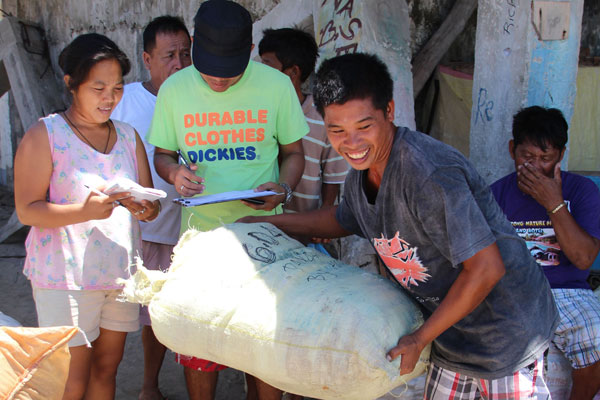
On the socio-economic front, artisanal fishers and members of the community, who generally live below the poverty line, can also earn supplemental income. Net-Works is closely integrated with community banking systems that support and strengthen the local, developing economy and provide new financial opportunities for residents.

“It may seem a little crazy that a commercial carpet tile company has ended up working with the fishing community on a remote double barrier reef. But that’s the beauty of seeing design as more than just product. Co-innovating with experts from lots of different disciplines has been brilliant; together we’ve re-imagined what the value chain could look like. Sustainability is the mother of all collaborations after all,” says Miriam Turner, AVP Co-innovation at Interface and co-founder of Net-Works.
Interface
interface.com
INDESIGN is on instagram
Follow @indesignlive
A searchable and comprehensive guide for specifying leading products and their suppliers
Keep up to date with the latest and greatest from our industry BFF's!
The internet never sleeps! Here's the stuff you might have missed