The home of architecture and design in the Asia-Pacific
Get the latest design news direct to your inbox!

Get the latest design news direct to your inbox!
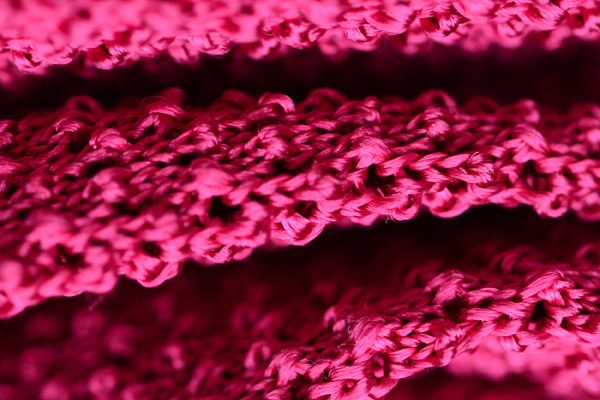
Designer carpet-tile giant Interface, is geared to launch a new and exciting concept boasting stylish designs with a strong focus on customisation and interactivity.
April 15th, 2014
In today’s changing environments, the ability to customise spaces is becoming more of a necessity. Designers and architects are always seeking ways to differentiate areas and create inspired, unique spaces that stand out. Therefore, the ability to order small quantities of product for wayfinding, zoning, feature areas and creative expression is increasingly important.
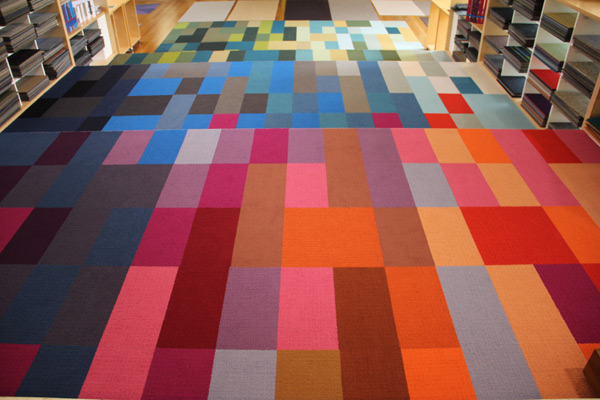
With the opening of Interface’s new state-of-the-art factory in Sydney, this is now a possibility.
Interface offers a broad spectrum of patterns that can now be supplied to customers at minimums of just five square metres – allowing designers to express their creative side and design with multiple options to bring a floor space to life. ColourPlay is the tool that allows designer visibility to what’s on offer, and to this end Interface has coupled the launch with the Colour Play website.
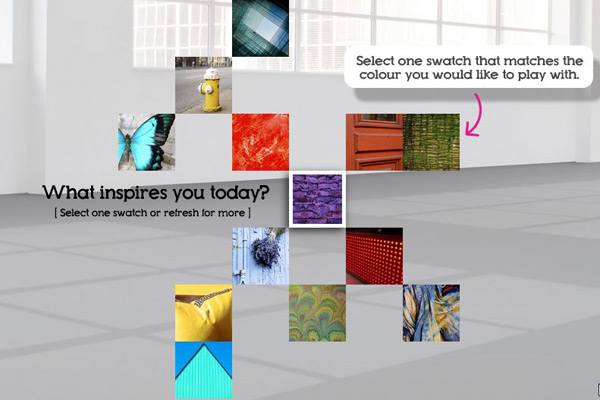
The site allows users to explore products available, gives designers and architects the ability to select
products and patterns based on what inspired them. The site then suggests complementary colours and patterns to the ones selected. Users can take advantage of Interface’s free design service via the site by emailing their selected Colour Play palette and brief and photos of the room/space they wish to design in. They can also request product samples or request the assistance of a sales manager.
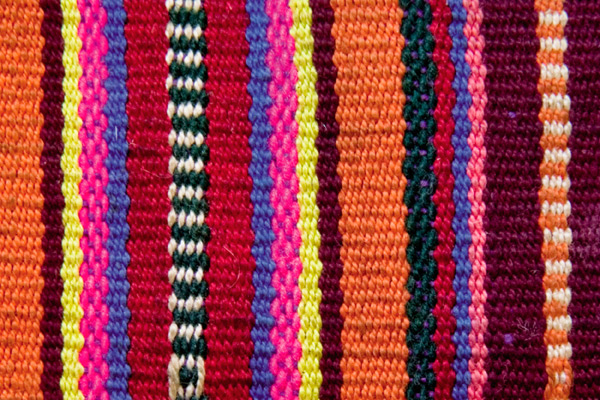
When Interface makes designing this easy, imagine the possibilities. With minimum order quantities of just five square metres – everyone can indeed to play with colour.
Interface ColourPlay
interfacecolourplay.com.au
INDESIGN is on instagram
Follow @indesignlive
A searchable and comprehensive guide for specifying leading products and their suppliers
Keep up to date with the latest and greatest from our industry BFF's!
Congratulations to Kerri-anne Towers of HBO+EMTB in Perth, who is the winner of the Rim Fabrics SiD competition. The competition involved finding Rim’s packages located around town at Saturday in Design, and figuring out what attributes of Rim they represented. Kerri-anne is the lucky recipient of a $2000 Tiffany & Co. voucher. Happy spending! Rim […]
The internet never sleeps! Here's the stuff you might have missed