The home of architecture and design in the Asia-Pacific
Get the latest design news direct to your inbox!

Get the latest design news direct to your inbox!
It’s an old adage that inspiration is found in the most unlikely of places, and for design in particular, this sentiment could not be more accurate. The recent eight colour additions to the Woven Image Edge Collection present an interesting case-in-point.
July 2nd, 2015
Originally released in 2009, Woven Image has this month launched an additional 8 new colours to the Edge Collection line up.
It’s no surprise that the decision was made to extend the range given its major popularity among specifiers for commercial applications. But what is it about the Edge collection that makes it so sought after?

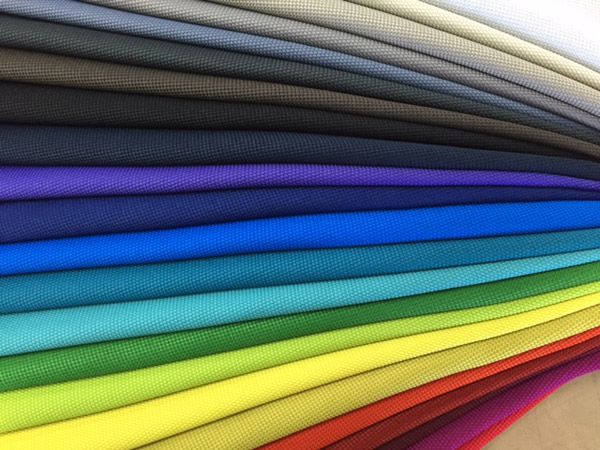
It could be that Edge is a 100% polyester heavy-duty task seating upholstery textile. It could be that it achieves 66,500 martindale and is available in 23 colourways from bright fashion tones of lush green aloe and citrus hues through to commercial neutrals and deep french navy. It could be that the texture of Edge on a micro scale is reminiscent of structural architecture from cross-hatch style blocks and brick work to the influence of geometry found in structural steel beams on a macro scale. And it could even be that Edge is extremely competitively priced without compromising on handle, performance or design.
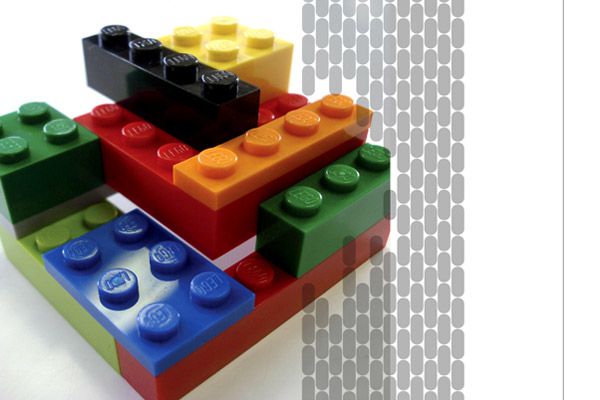
More importantly, Edge has been able to achieve all of the above by sourcing its foundations from an unlikely place. True to its motto “Only the best is good enough”, the LEGO Group has been emphasising the importance of high quality since 1932. High quality and safe products have remained the focal point for the LEGO Group throughout the years – and it still is, 82 years after the foundation. LEGO products are tested rigorously to live up to the strictest safety and quality
standards – as well as our own high expectations.
This approach has made children and adults return to LEGO products time and again – so is it really that surprising that Woven Image have chosen to model those principles to apply within commercial settings?
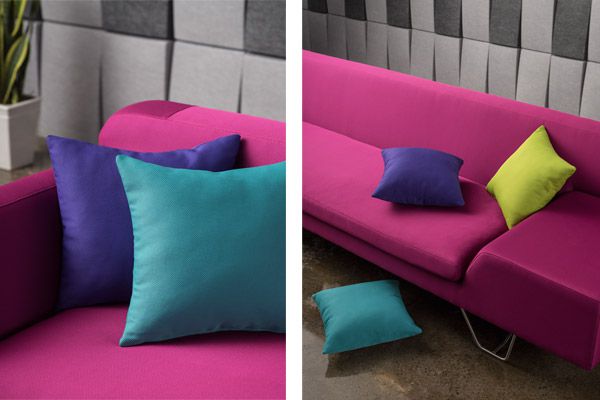
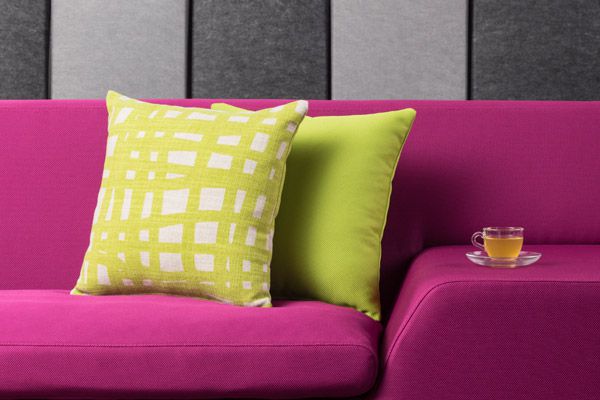
Much like the LEGO bricks format, the Edge Collection are all part of the Woven Image system, which essentially means that they can easily be combined in innumerable ways – and just as easily be dismantled. The more alternatives and options you have, the more fertile your creativity can become – hence the introduction of new colours this year.
The combination of a structured system, logic and unlimited creativity encourages the designer to learn and experiment through Edge in a wholly unique Woven Image fashion.
For more information contact Woven Image
INDESIGN is on instagram
Follow @indesignlive
A searchable and comprehensive guide for specifying leading products and their suppliers
Keep up to date with the latest and greatest from our industry BFF's!
The internet never sleeps! Here's the stuff you might have missed