The home of architecture and design in the Asia-Pacific
Get the latest design news direct to your inbox!

Get the latest design news direct to your inbox!
Launched last month, Herman Miller’s new localisation programme hones in on the importance of supporting local, Australian manufacturing and sustainability in design.

September 8th, 2021
Progressing towards a better, brighter and greener future has been an everlasting core value for Herman Miller. At such a pivotal moment in today’s climate conversation, the iconic global brand believes that there is no better time than now to activate every resource possible to preserve the future of the Earth.

Consistently striving to progress towards a healthier planet, Herman Miller’s enduring passion for design and operational excellence through a sustainable lens has been at the forefront throughout the decades. Since 2004, Herman Miller has dedicated itself to achieving as many environmental goals as possible, with opportunities to expand their efforts even further. Now, with their 10-year sustainability strategy well underway, the design powerhouse continues to impress.
In a bid to further minimise the brand’s carbon footprint and accelerate the standard production lead times, Herman Miller is determined to bring aspects of the manufacturing process back to Australian shores. Introducing: the new localisation programme.
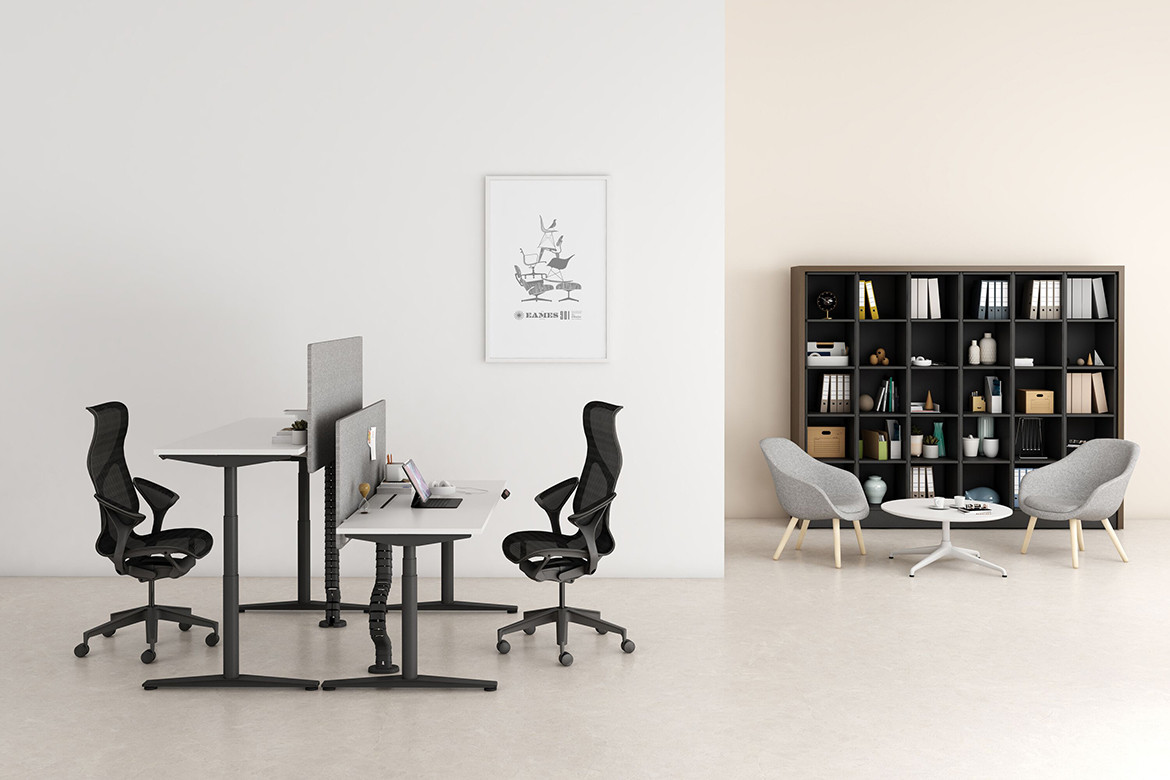
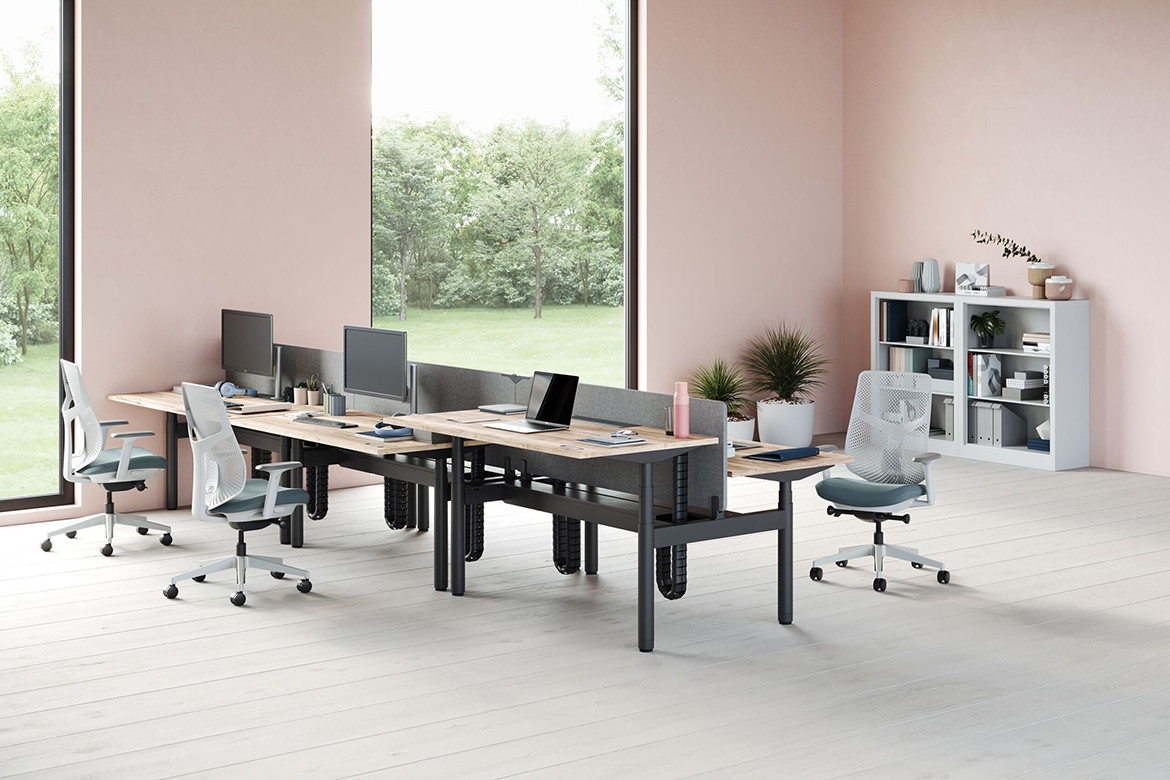
The new initiative was launched at the beginning of August 2021, with the release of the next generation Ratio – a height-adjustable desk meticulously designed to pave the way for the new era of work and office culture. A beloved desking system throughout the decades, Ratio continues to redefine the way we work in our multi-faceted and ever-changing environments.
This year’s re-launch of Ratio will see key elements of the workstation produced locally, as part of the brand’s efforts to not only invest in Australian manufacturing and celebrate the local craft, but to also reduce carbon emissions in the process. Herman Miller aims to meet the needs of businesses that require faster response times through this new initiative, posing a solution to resolve the ‘day two dilemmas’ and essentially creating opportunities for a more efficient manufacturing, delivery and installation process.
Throughout the years, Herman Miller’s stewardship of the environment has always been front of mind. Driven by the belief that each action, big or small, is a contribution to a more sustainable world, the brand continues to push the boundaries of good, honest design for a future that’s worth fighting for.

INDESIGN is on instagram
Follow @indesignlive
A searchable and comprehensive guide for specifying leading products and their suppliers
Keep up to date with the latest and greatest from our industry BFF's!
The internet never sleeps! Here's the stuff you might have missed