The home of architecture and design in the Asia-Pacific
Get the latest design news direct to your inbox!

Get the latest design news direct to your inbox!
Minimalism is back with a vengeance. Less might be more, but sometimes less is just less. Has the minimalist crusade taken a detour?
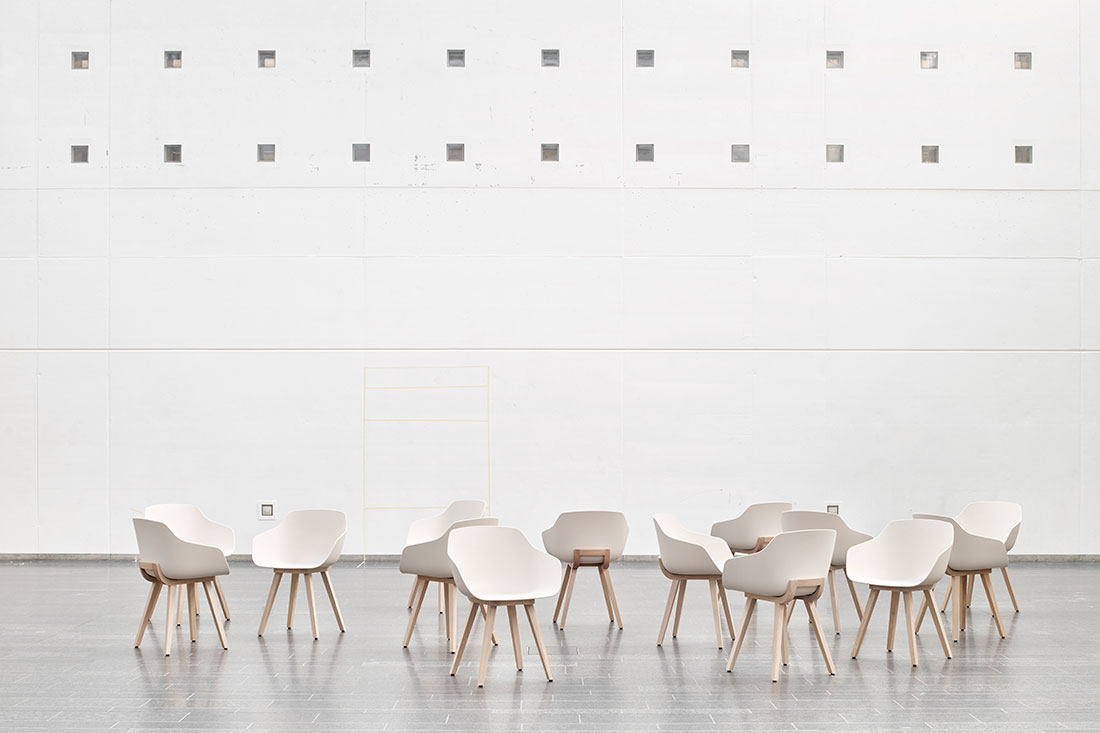


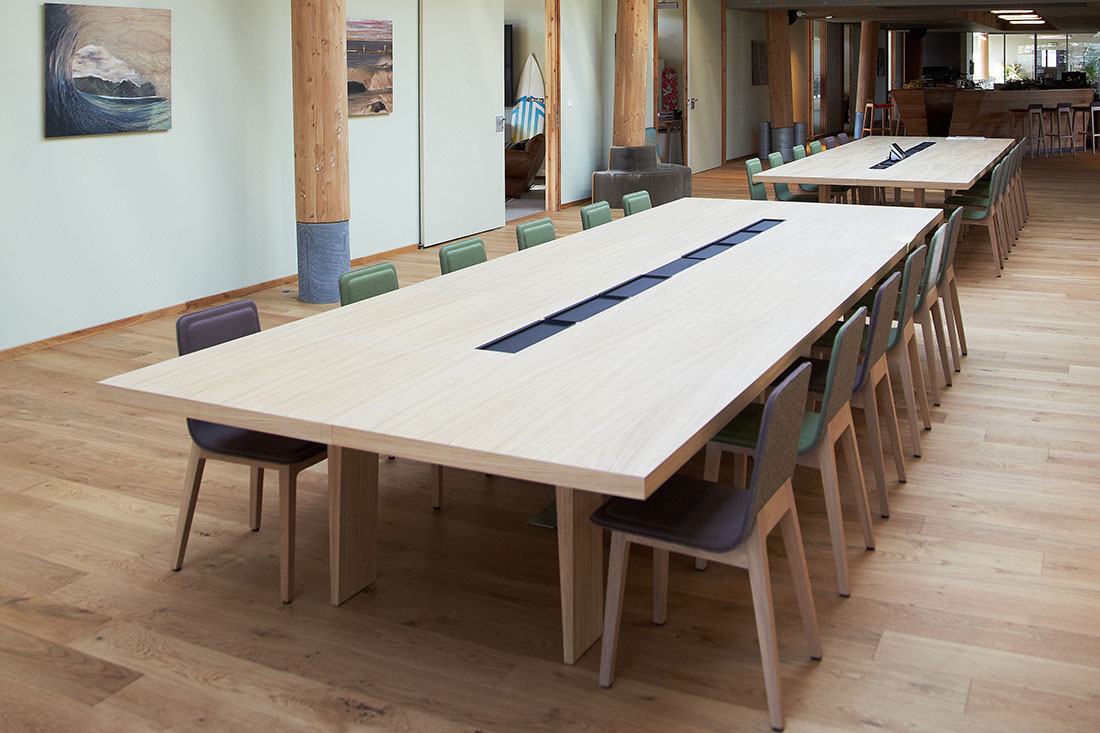
The contemporary trend of minimalist workspaces has gotten a bad rap lately, with one recent study suggesting that “sometimes less is just less.” However, that’s not to say minimalism as a design approach should be immediately tossed out the window.
There’s a lot of stuff floating around the media circuit about why a minimalist living space might aid slow living, a clutter-free life and a general ease and wellbeing. But while our working environments are becoming increasingly paperless, spare and fuss-free, comparatively little has been written about what effect this move toward minimalism might have for the individuals who populate these areas.
In general, it is believed that while an employee’s ability to take ownership of their workspace has been attributed to increasing productivity and happiness, architects and designers need to be careful about crossing a line from ‘lean and clean’ to garish and kitsch. Too often, minimalism is equated with anti-materialism. And while this might be the consensus (for better or worse), it is important to keep in mind that an anti-materialism standpoint and the addition of personal touches or greenery to an office are not mutually exclusive.
Despite the flack, there are still benefits to a minimal approach to office design from a productivity point of view. Fewer objects or simply ‘decorative’ design features in an uncluttered space leads to less visual distraction, and an increased perception in productivity, state of mind, motivation and happiness. On top of that, without ruling out the possibility of applying some material or personalised elements later down the track, a minimalist approach from the outset can also save employers’ outgoing overheads. Bespoke furniture and whacky décor might seem like a great idea, but can damage a company’s bottom line when employees are too busy seeing red to actually get down to work.
There is some wisdom in Coco Chanel’s dictum that ‘when one dresses in the morning, ensure that you remove more than one item before walking out the door’.
You see, understanding where and when to pare back design is a valuable skill to nourish, and one that some contemporary brands are increasingly promoting as central to their design ethos. A definite front-runner in this is the French design powerhouse Alki. Originating in the small town of Itsasu in Basque Country, France, the brand has succeeded in bringing the design language of the Basque region onto the global stage. Since its inception in 1981, Alki now holds a leading position in the contemporary furniture market – a pointedly influential brand which many a competitive design house set their watches to.
Featuring a bold set of pastel colours that are often complemented with a more neutral timber, their range of immaculately crafted, contemporary furniture has been making waves since it was debuted in 2007. Representing a new direction for the company, Alki has since consolidated their masterful efforts. Not only does their furniture help complete contemporary homes and traditional apartments around the world, but also the European offices of Quiksilver, and the headquarters of big-name brands Hermès and Levis Strauss.
Their products are not restricted solely to timber either, although it is their design material element of choice. Leather, felt, wool and even hand-plaited straw all feature extensively across the Alki portfolio. Whether you’re looking for a personal touch or clean, minimal design, there’s bound to be something for everyone.
Sometimes less is just less, but not in this case.
While a trip to Basque Country to pick up some refreshing contemporary furniture would certainly be nice, it isn’t necessary. Alki is readily available through Cafe Culture + Insitu – an Australian supplier renowned for helping international designs reach the global stage.
INDESIGN is on instagram
Follow @indesignlive
A searchable and comprehensive guide for specifying leading products and their suppliers
Keep up to date with the latest and greatest from our industry BFF's!
The internet never sleeps! Here's the stuff you might have missed