The home of architecture and design in the Asia-Pacific
Get the latest design news direct to your inbox!

Get the latest design news direct to your inbox!
Habitus magazine visits furniture and lighting designer, David Trubridge, at his studio in Hawke’s Bay, New Zealand…
February 11th, 2009
Habitus magazine visits furniture and lighting designer, David Trubridge, at his studio in Hawke’s Bay, New Zealand, and learn that his favourite places are both the destinations and journeys that inspire his characteristic timber craft.
Andrea Stevens gained some insight into the different environments David Trubridge thrives on throughout his creative process – from being surrounded by his family at his home studio, to the isolation of Antarctica and the freedom of the open sea.
This article appears in Issue 02 of Habitus, on sale now. Photography by Simon Devitt.
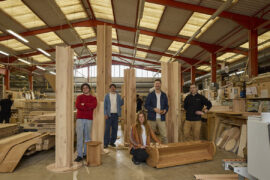
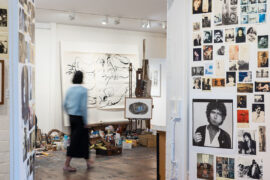
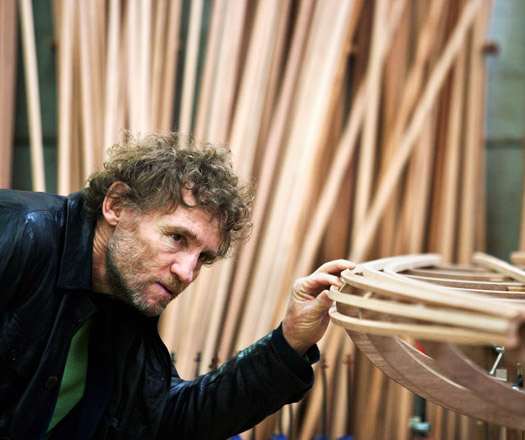
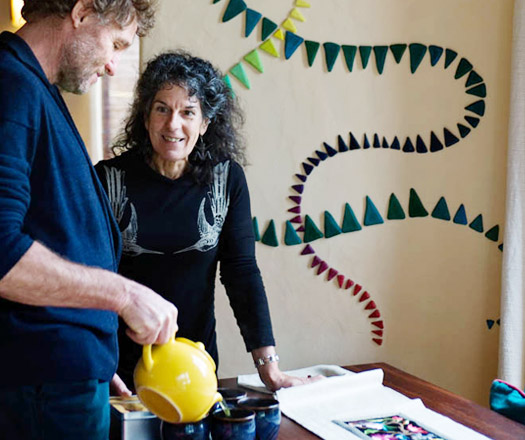
I met David Trubridge at Cicada Works, his workshop and studio in Whakatu. Within a collection of red brick industrial buildings, the most beautiful objects are being crafted. A team of local and international furniture makers are steaming and bending timber, riveting and oiling, to create the light, graceful forms that are the hallmark of David’s work.
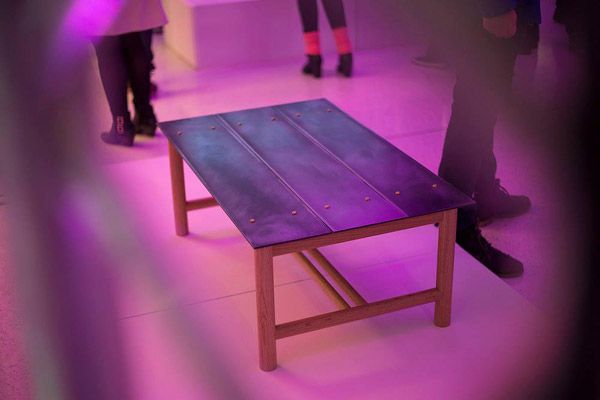
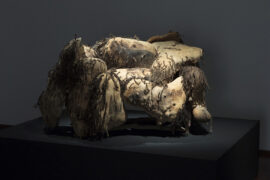
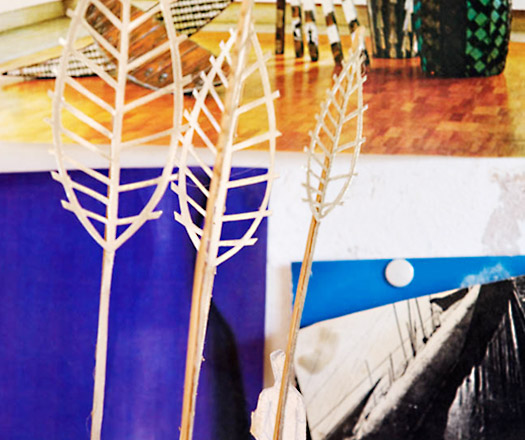
Abstractions of natural form and pattern are expressed using skeletal and skin-like structures to make light shades, recliners, seats and bowls. They embody a sense of place, as objects of the South Pacific, yet they also allude to other cultures and times. Some pieces have a timeless Japanese quality, some remind me of patterning from the 1970s or the elegance of Danish design.
David has been making furniture across four decades with a personal design evolution tied to his values and travels. What he sees and believes, finds an expression in his art form. His work has grown out of a vision to create the lightest of structures. In his words, “Simple and low impact, made of natural materials and processes, leaving a delicate footprint.” It is a unique body of work, establishing him as one of the world’s top eco designers.
When his children were two and four years old, he and his wife Linda sold their house in Northern England and bought Hornpipe – an ocean-going yacht. They set off on a voyage that lasted 10 years. Much of that time was spent in the Pacific Islands and New Zealand’s Bay of Islands.
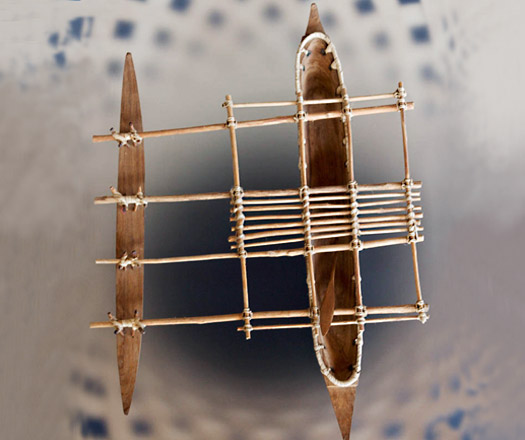
During those years, Trubridge made bespoke furniture when they needed money. He started using local materials and experimenting with traditional techniques. Instead of post and rail construction, he began lashing wood together in tension structures. Boats, fish traps, a clump of tied reeds became generators of form…
To read this and other great articles get your hands on a copy of Habitus issue 02 from your nearest stockist, or subscribe to future issues here.
INDESIGN is on instagram
Follow @indesignlive
A searchable and comprehensive guide for specifying leading products and their suppliers
Keep up to date with the latest and greatest from our industry BFF's!
Victorian-based Apaiser Bathware been successful in securing the supply contract for the prestigious Four Seasons Guangzhou hotel in China.
Electrolux Design Lab 2010 challenges undergraduate and graduate industrial design students around the world to compete for a six-month paid internship and prize money by submitting ideas on shrinking domestic spaces. As urban centres extend rapidly and with 74 % of the population expected to be living in urban environments, this year’s competition invites students […]
The internet never sleeps! Here's the stuff you might have missed