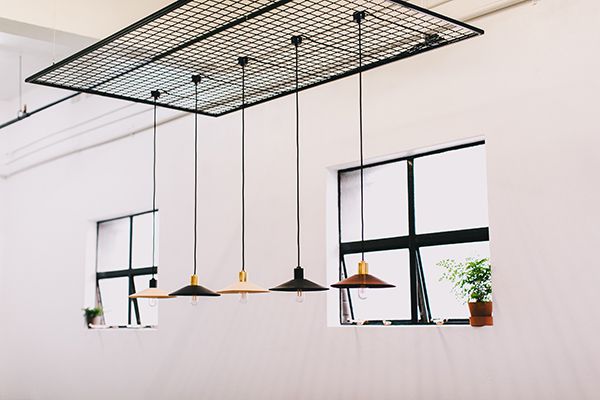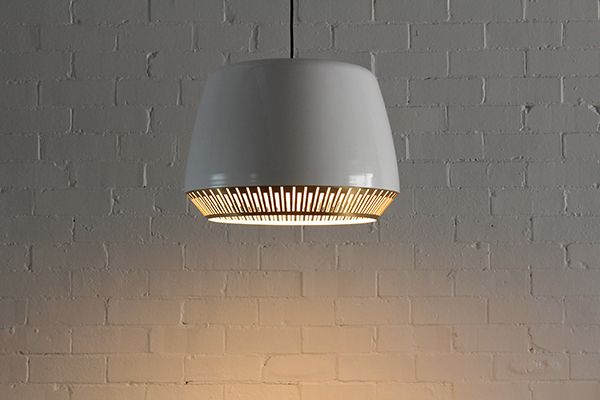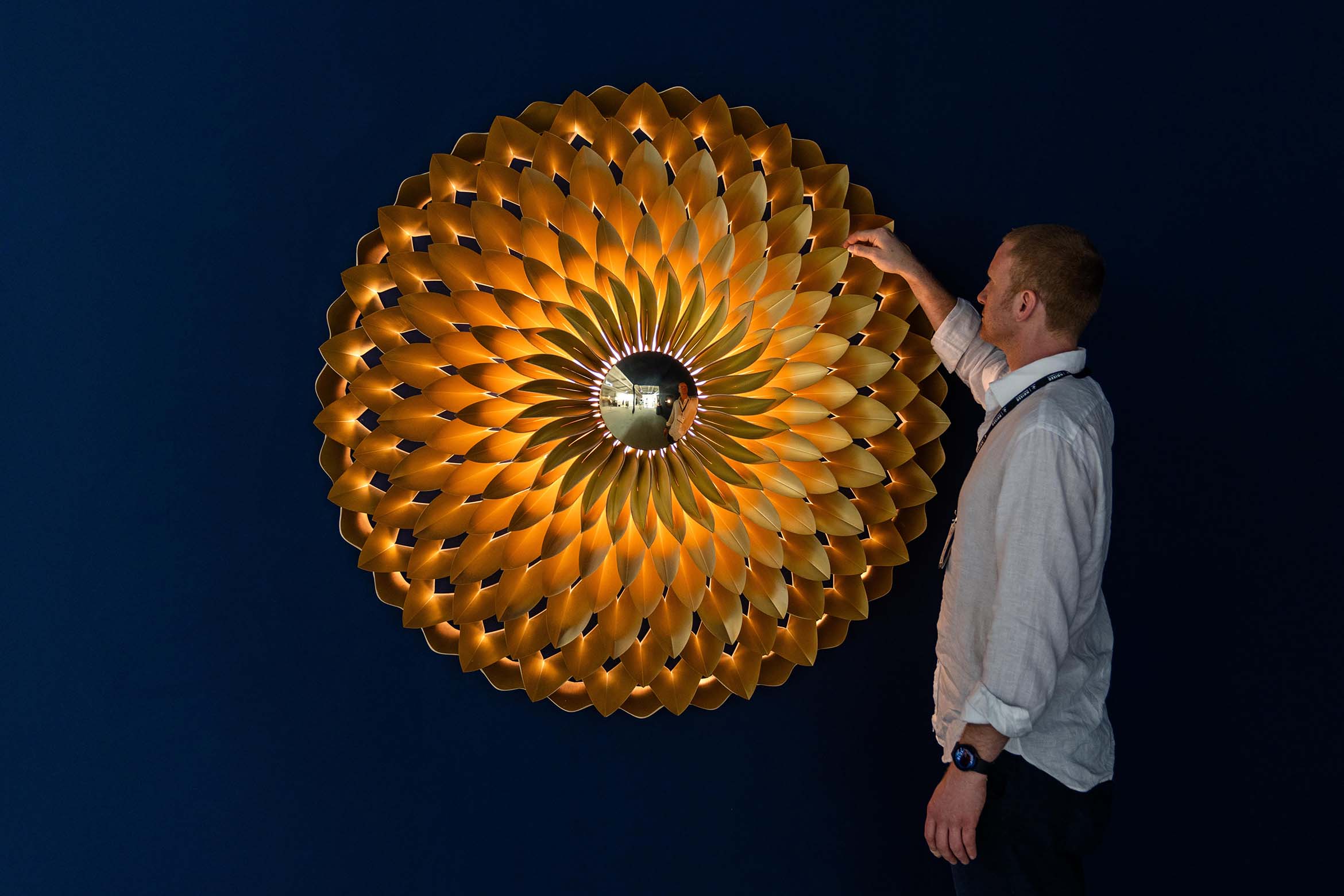
Hailing from New Zealand, Ben and Kiri Wahrlich of design studio ANAESTHETIC now reside in Sydney and produce lighting that is not only designed to last generations, but is also so timeless and beautiful it is intended to be passed on through generations. “It’s original, contemporary design that echoes the mid-century ethos, with carefully selected materials,” the couple explain.
Ben and Kiri have been together for eleven years and met through a mutual friend while studying design in Christchurch. They moved to Australia after graduating to further their career options and describe their partnership as designers as, “inevitable really.”
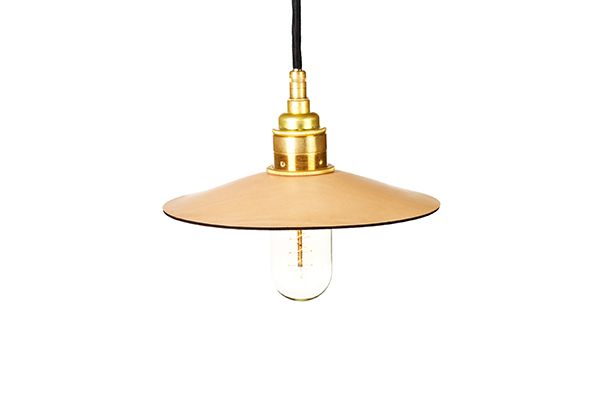
“There was no defining moment,” Kiri says, “it just evolved over time.” The couple now design and create precision-engineered lighting that is simple and minimal and uses luxurious materials such as leather, solid timber, and machined brass and aluminium. “We’ve found an area that we’re really interested in and have narrowed in on this,” they say.
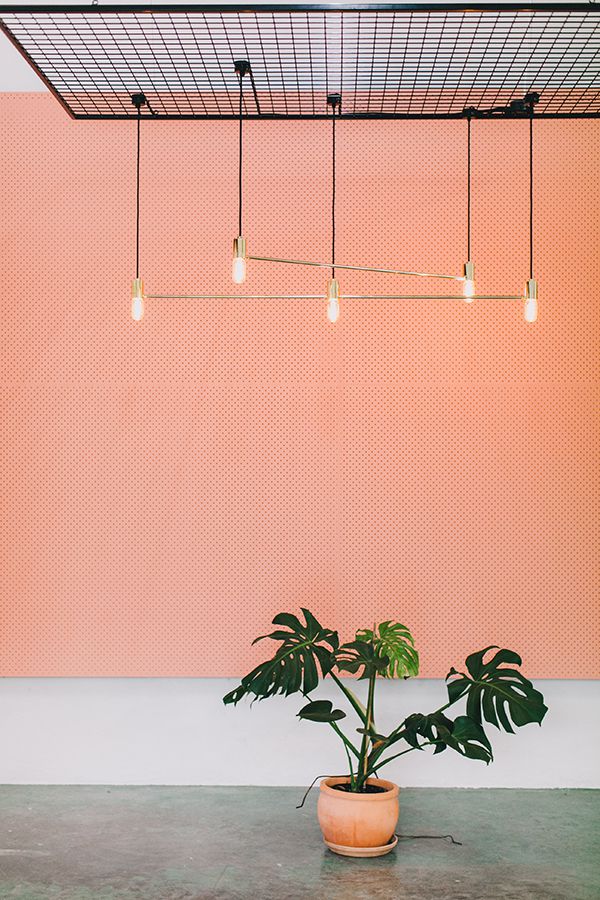
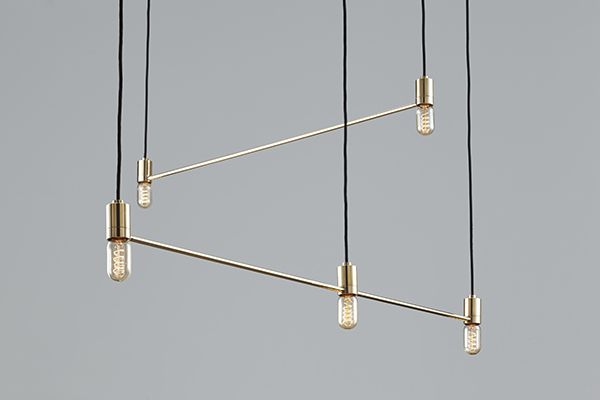
The couple draw on their kiwi roots and take great inspiration from their homeland. “Growing up in New Zealand was very humbling and we spent a lot of time outdoors, living a simpler, less chaotic life than we currently do in Sydney,” says Kiri. “So we take cues from the natural world when we design; there’s more to our products than just face value.” Their hugely popular Constellation Pendant Light is a prime example of this. Featuring constellations unique to the southern hemisphere, “it’s something that all Australians and New Zealanders can connect with,” the designers explain. “Each ‘star’ is represented by a light bulb and the connecting brass rods reflect the lines typically drawn to illustrate the star pattern.”
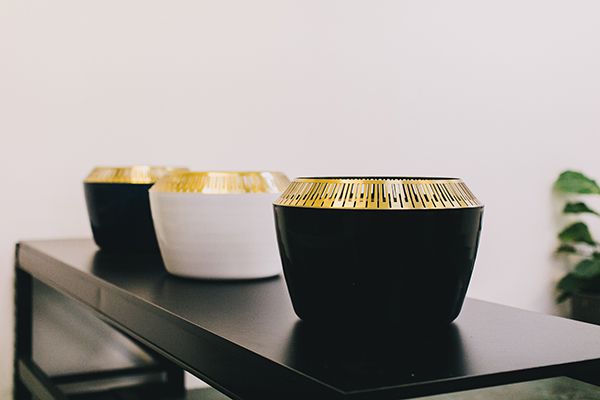
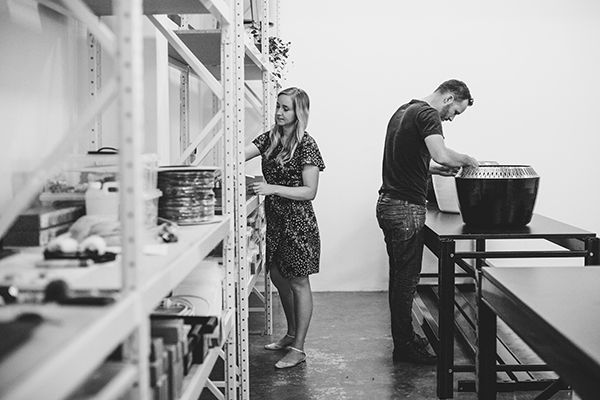
Ben and Kiri recently opened their new studio, workshop and showroom space in Camperdown where they can work seamlessly between manufacturing, production and design, creating made-to-order products for consumers, architects and interior designers. They machine several of the key components themselves, hand assembling them in their Sydney studio. “This process means we can customise the design at any stage,” says Kiri. “We often get requests for custom sizes, colours or entire new designs and we love that we’re creating something unique every day.”
As partners in life, design and business, Ben and Kiri enjoy the opportunity to equally share the highs and lows of running their own company. “Its really exciting to see so many of our sales coming from Australian customers,” the couple explain. “It’s nice to know that people really value and support good local design and craftsmanship.”
Photography: Samantha Heather
ANAESTHETIC
anaestheticdesign.com