The home of architecture and design in the Asia-Pacific
Get the latest design news direct to your inbox!

Get the latest design news direct to your inbox!
Playful Italian furniture brand Edra recently had Niccolo Mazzei, the son of founder Valeria Mazzei, in town. We caught him to learn more about Edra’s unique design approach.

November 9th, 2018
Polar bear couches, spaghetti chairs – Edra is known for expressive and adventurous design. Niccolo Mazzei, the son of founder Valeria Mazzei was recently on Australian shores and Indesign took the opportunity to meet with him and talk design process and innovation.

Niccolo Mazzei
Niccolo Mazzei: Thank you. Our company is still really young – and we see it as being one of the last furniture companies born in Italy. Every year, we try to add something totally new into our collection – so we must invest a lot in terms of research and innovation, but at the end of the day, we’re really happy proud that today our collection is known for having great quality and variety.
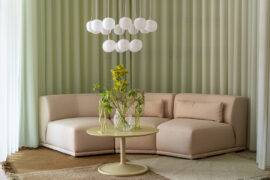
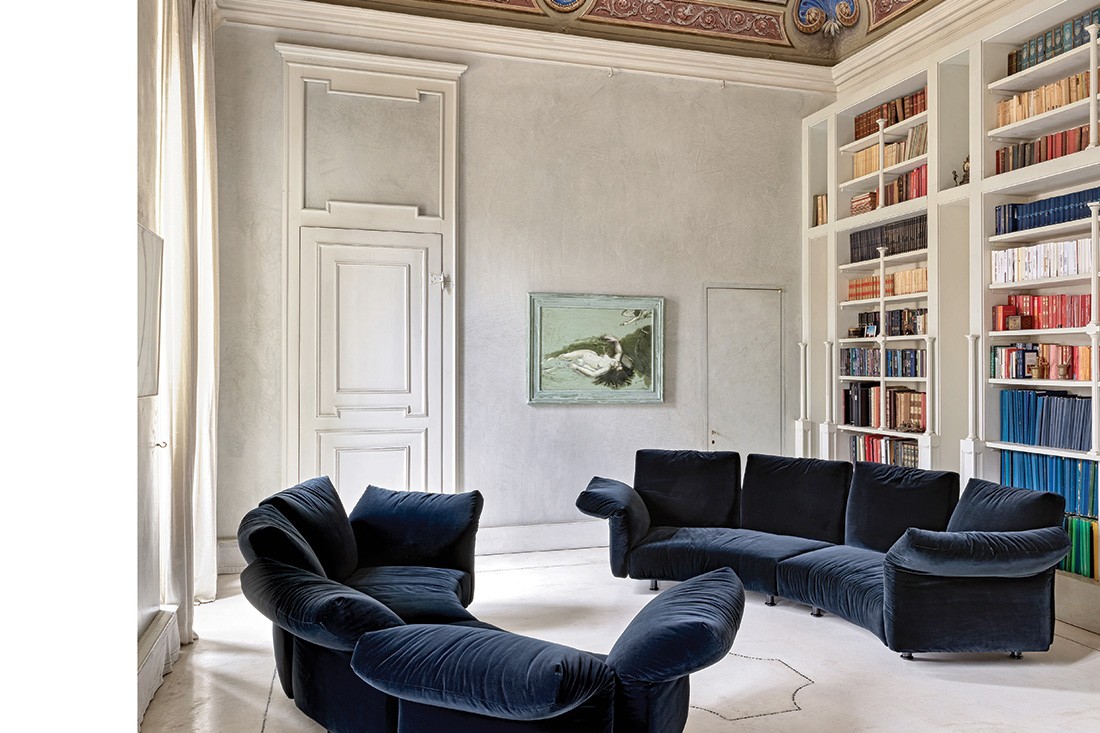
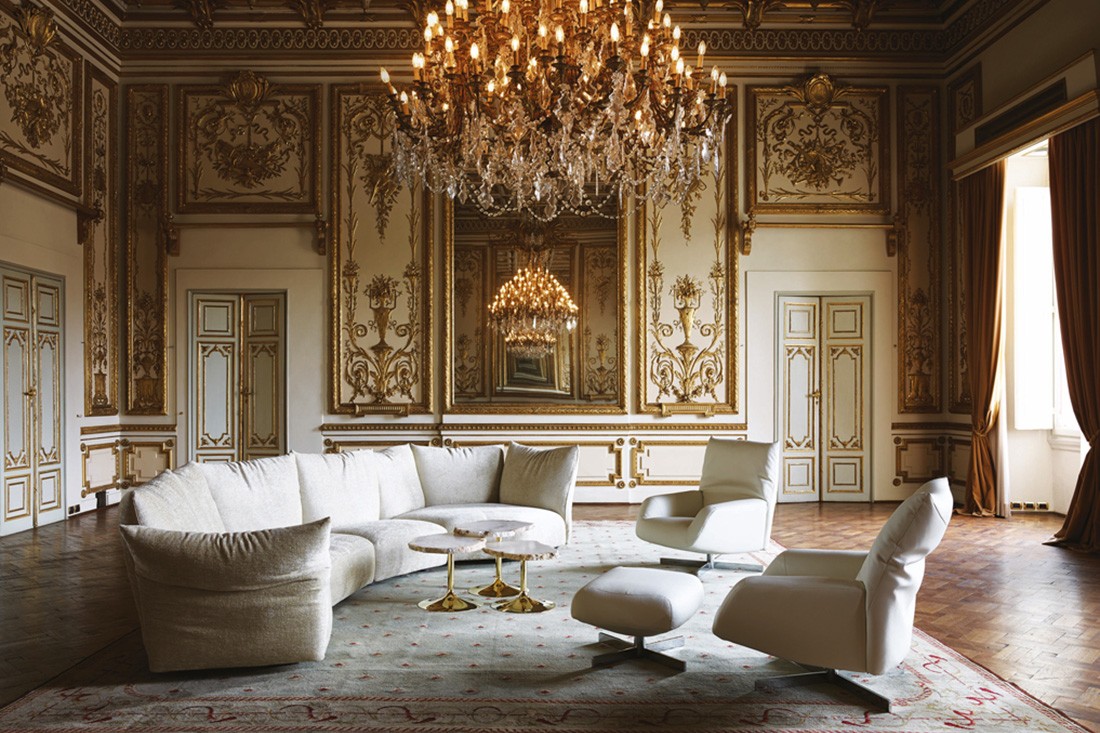
It’s a beautiful setup. Here we have five different products with five totally different technologies – some of the main products in our collection, including the classic Absolu by Francesco Binfaré, with smart cushions that can change the shape of the sofa. In the middle of these are some really iconic pieces of furniture, like the Favela armchair (by Fernando and Humberto Campana) made entirely of little pieces of wood. Each piece is made by hand, so each chair is completely unique.
Something I believe is very important is a material called Gellyfoam that we invented and patented. You can absolutely feel the difference when compared to a very high-quality polyurethane, which most other furniture companies use in their upholstery. We started to study this material in 1997 and found the solution in 2004, after seven years of work and investment. It’s a mix between gelatine from the medical world, and foam, and we found this fantastic formula.
You have a lot of pieces that are quite forward-thinking, and avant-garde – how do you balance this individuality with a commercial appeal?
From the beginning, we have never done market research. We hate it. Because sometimes if you start with this, you can’t launch something new to the market. So we prefer to invest, to discover something that can add important value to our existing collection, and to the furniture world. We start with the designer and our technical department, who work out all the details. We launch in April and after that, we start thinking about the commercial aspect. But we have never done things in the opposite way.
I suppose to do it the other way around would be to hamper creativity.
Yes. Consider that when we receive a project, usually it’s a drawing, by hand. And sometimes, honestly speaking, it can be really hard to translate. But this is the challenge every time, and at the end we are happy that we can make a product that offers fantastic beauty, comfort, with a really high quality. And that people can use every day. That is the main thing, because some pieces in our collection are considered works of art, sometimes. And they are. But we are really happy when people can appreciate them daily in their house.
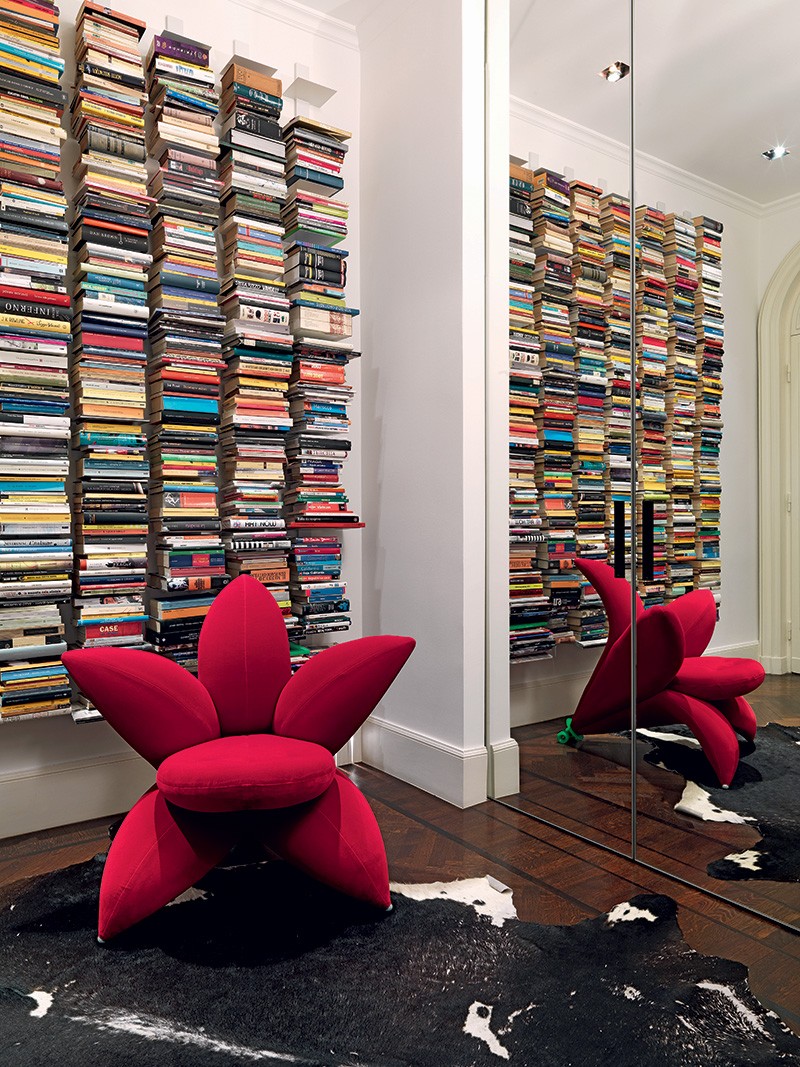
So for you, the appeal is not just in the beauty of these pieces, but that they’re also durable and functional.
We would like to see our product after 100 years, in the next generation. We are based in Tuscany, where we have had some of the best artists in the world – Raphael, Michelangelo, DaVinci. And it’s fantastic that still today, people can recognise a really strong identity in their work. Of course, only time can show you if you have worked in the right way. So we are really happy that products we introduced 30 years ago to our collection are still in the catalogue.
INDESIGN is on instagram
Follow @indesignlive
A searchable and comprehensive guide for specifying leading products and their suppliers
Keep up to date with the latest and greatest from our industry BFF's!
The internet never sleeps! Here's the stuff you might have missed