Internationally renowned urbanist Charles Landry, author of The Art of City Making and The Creative City, was in Australia recently discussing what he knows best – what makes a city tick.
Taking to the stage at Sydney’s State Theatre as part of the City of Sydney’s City Talks, Landry looked at the Art of City Making and the role of imagination and creativity in the development of cities.
As the world becomes increasingly global, enabled by the internet and easy travel across continents, place and locality still matter and are vital to our sense of identity.
“Place matters,” Landry said. “Cities still matter, even though we’re connected in all sorts of interesting ways. There’s global culture… and into that has to be embedded locality in one way or another.”
In a knowledge-based world where every city is faced with the need to be competitive and attractive on a global scale, the way forward is through creativity.
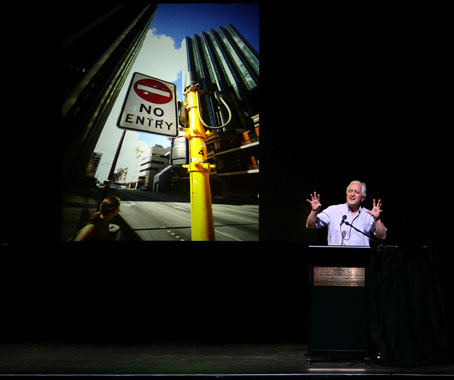
“Increasingly people talk about creativity because they realise in order to have innovation or knowledge, you need to be curious, imaginative and creative in the first place,” Landry said.
Creativity, for Landry, is key to ensuring the future growth of cities, but it isn’t restricted to the Arts – our immediate connotation for the word ’creativity’ – although the arts do play a major role in city building. Other key factors include “bureaucratic creativity, administrative creativity, political creativity,” said Landry, all contributing to a “creative place [which] allows ordinary people to make the extraordinary happen if given the chance.”
“That’s what we want,” he said, “a place that finds imaginative solutions and opportunities to any type of problem, and this requires an enabling environment.”
Key to citymaking, then, is “a culture of creativity, a creative ecology where the conditions to think and act with imagination exist quite easily, which is embedded into the organisation ethos of all the places in your city.”
How to implement this in our cities? One way is to exploit a city’s potential by rethinking where that potential comes from.
“You need to rethink what capital is and broaden it,” Landry said, “not only as financial capital, which is obviously important, but a city only works when all forms of capital together are working. It’s about looking at other criteria and about seeing and valuing those things that are often seen initially as the invisible and intangible.”
A paradigm shift, then – and taking things one step at a time, as the City of Sydney is currently aiming to implement in its Sustainable Sydney 2030 Vision. Landry calls this “strategic incrementalism – doing small things step by step, but having a bigger goal and an aim that adds up.
“These small things, if they’re part of a bigger story, actually are incredibly important.”
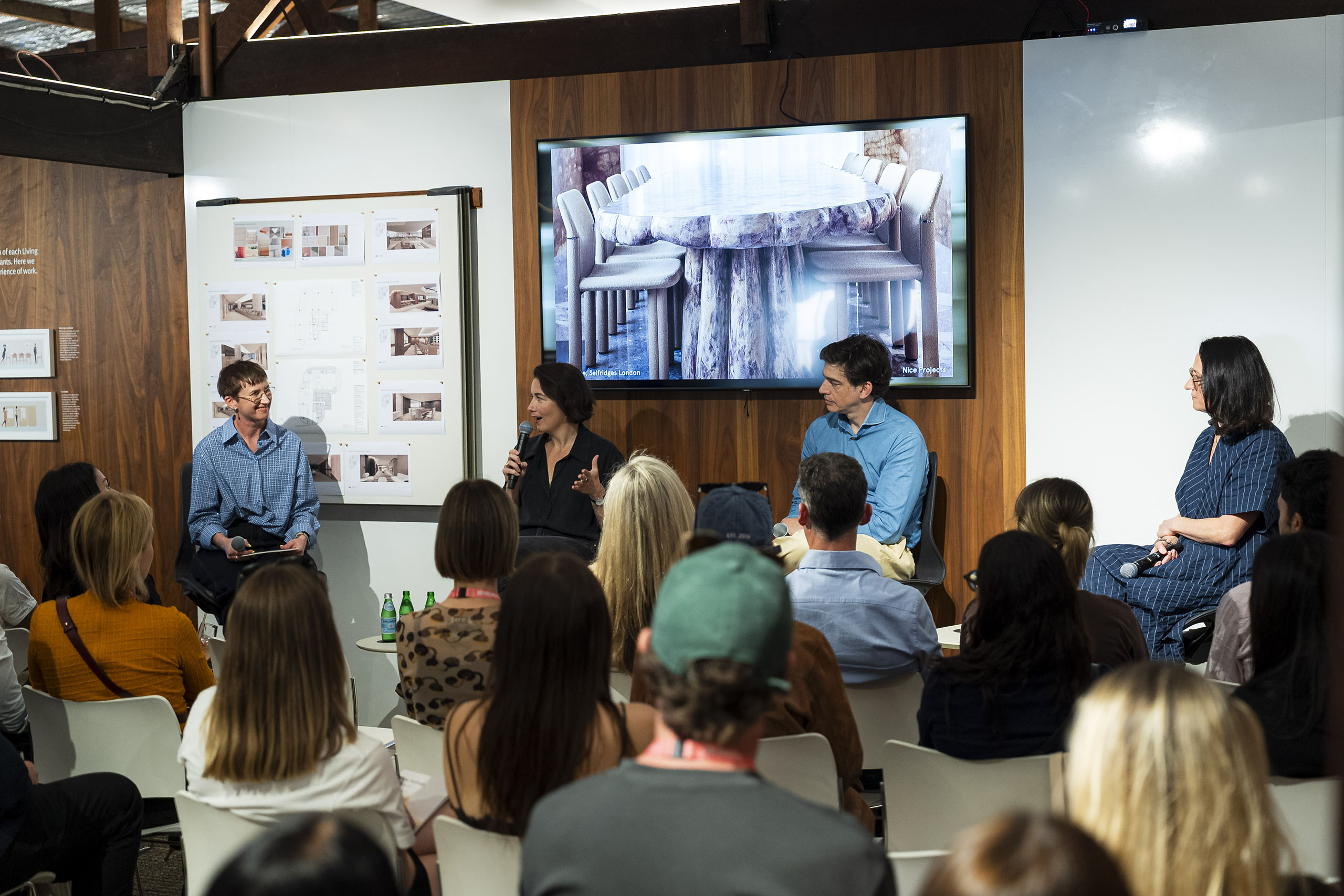
Landry joined Dr James Bradfield Moody, Executive Director, Development – CSIRO; Jess Scully, Director – Creative Sydney; Emile Sherman, Producer – See-Saw Films; Roderick Simpson, Associate Professor in Urban Design – University of Sydney and Principal – Simpson + Wilson Architecture+Urban Design; and Dr Rodney Tolley, Conference Director – Walk 21, in a panel discussion on citymaking and the future of Sydney.
A recording of the full discussion can be found on the City of Sydney’s website.
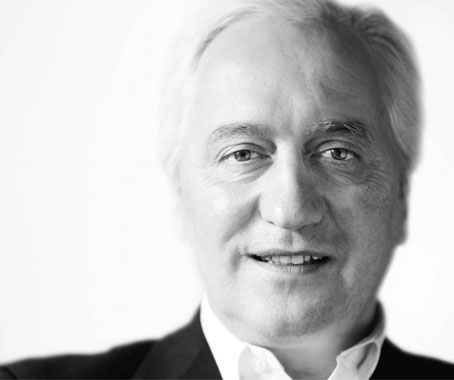
Charles Landry
charleslandry.com