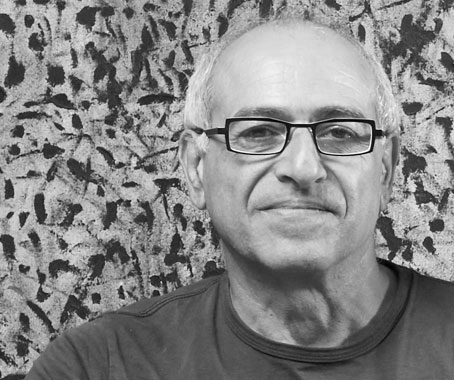
Founding director of Tonkin Zulaikha Greer and renowned Sydney architect Brian Zulaikha succeeds Karl Fender as the AIA’s National President.
With a history of projects that embrace sustainable design and provide sensitive contemporary solutions to heritage-listed sites, Zulaikha will bring extensive expertise and a strong focus to his new role.
Key projects in Zulaikha’s portfolio include the Carriageworks Contemporary Performance Arts Centre in Sydney’s Eveleigh, the transformation of a series of former carriage workshops dating back to 1888 into a vibrant shared community space.
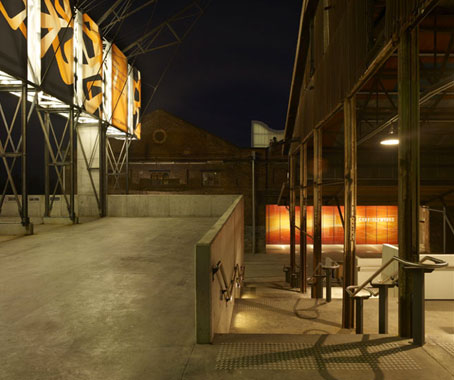
Carriageworks. Photo by Michael Nicholson
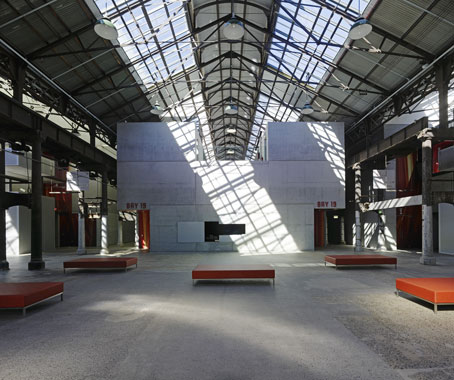
Carriageworks. Photo by Michael Nicholson
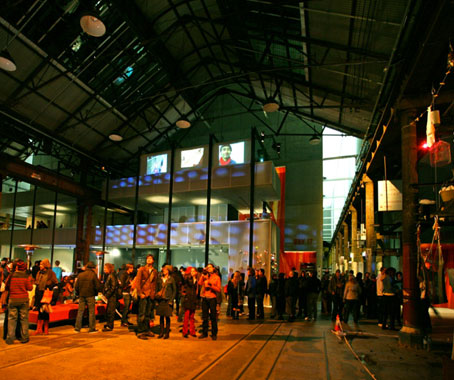
Carriageworks. Photo by Prudence Upton
He also received accolades for Tonkin Zulaikha Greer’s pioneering design of the Affordable Complex in Sydney’s Ultimo, a development which set a precedent for sustainability in multi-residential projects.
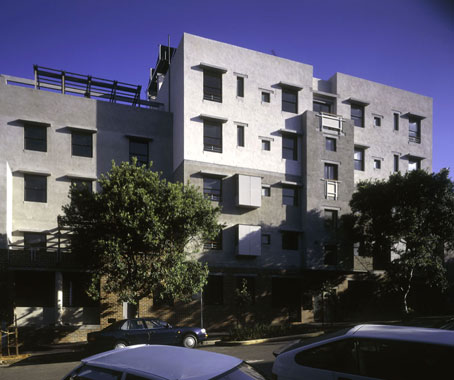
Affordable housing on Macarthur Street. Photograph by Eric Seirens
As National President, Zulaikha’s priorities over the next 12 months will encompass sustainability, influencing planning reform, encouraging dialogue between the profession and Federal and State Governments for quality and sustainable outcomes, fostering links with other Australian and international organisations – such as Emergency Architects Australia – and promoting art and architecture and their ability to enrich culture and quality of life.
Read Zulaikha’s plans for the duration of his presidency below:
“Sustainable cities has become a catchcry for the 21st Century. The Institute is well placed to make ’sustainable cities’ more than a slogan. As architects and advocates we can influence the design of our cities and the quality of life of their occupants.
“Urban density is one of the most important aspects of planning for sustainability. We need to consolidate our cities and preserve the green belts that support valuable agriculture and provide containment lines. We must be able to get in and out of cities quickly.
“Adaptive reuse is another tool in sustainable urban design. I don’t believe in demolition. We need to approach projects with a view of what we can keep rather than starting from scratch. Adaptive reuse conserves resources and adds meaning to contemporary architecture.
“Similarly combining and art and architecture can add value and meaning in the built world. I am keen to see a greater bond between these two disciplines.
“This year, the Institute will continue to work collaboratively to improve the quality of our urban spaces, both aesthetically and in terms of liveability. Our membership and leading role with the Australian Sustainable Built Environment Council (ASBEC) is a key strategy for addressing the environmental and ecological issues now facing our industry. ASBEC is working with the three levels of government to produce a prioritised action agenda for the future.
“The annual Built Environment Meets Parliament (BEMP) program is another example of parliamentarians and industry leaders sharing strategies for achieving productive, sustainable and liveable Australian cities.
“The program, an alliance between the Institute, Planning Institute of Australia, Property Council of Australia, Green Building Council of Australia and Consult Australia, is a strong and close collaboration helping shape the future prosperity of the nation.
“The 2011 BEMP program, which took place in Canberra recently, opened with a timely discussion on how to reduce future losses from natural disasters and how to help communities to recover.
“As extreme weather events and natural disasters escalate, the Institute is looking to establish a formal relationship with Emergency Architects Australia (EAA). This not-for-profit organisation provides disaster assistance throughout Australasia and the Pacific region from damage assessment to reconstruction.
“There is growing recognition of the role of the built environment in delivering quality of life, and accordingly greater recognition of the profession of architecture in shaping a positive future for Australians.
“We are already seeing the benefits of the NSW planning reforms of 2002, and the introduction of expert advisory panels for Councils, with the SEPP 65 initiative delivering better, more liveable apartment designs. The introduction of SEPP 65 nationally would result in significantly improved multi-residential apartments around the country, and I will be encouraging this step during the coming year.
“This year, we will continue to promote architecture’s contribution to culture, sustainability and quality of life. And, aim to achieve greater recognition of the resourcefulness and creativity of our profession.”
Australian Institute of Architects
architecture.com.au