The home of architecture and design in the Asia-Pacific
Get the latest design news direct to your inbox!

Get the latest design news direct to your inbox!
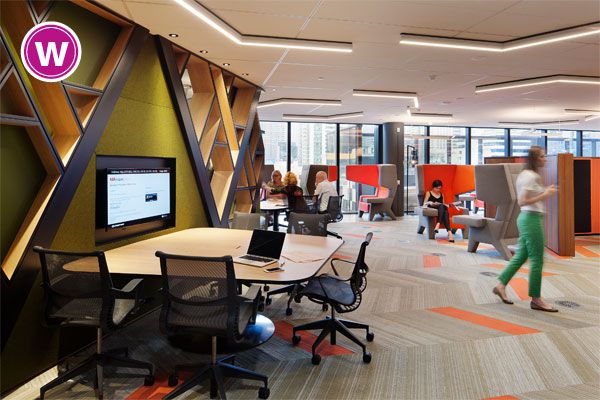
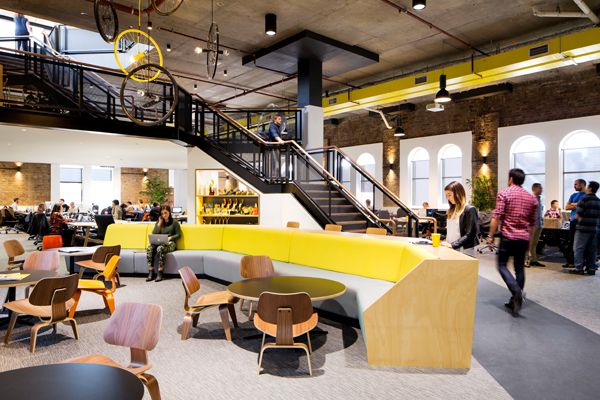
Is collaboration still important in the workplace? Leanne Amodeo discovers it is and explores why interaction, choice and community are the key drivers in today’s new workplace design.
August 25th, 2015
A one-size-fits-all application was never going to be the best way to approach office design. Just like each individual is different, so too is each workplace, defined as it is by its own unique culture. So while the way designers come up with specific schemes and settings may differ from one office to the next, what remains the same are those factors driving them to do just that.
The most recent development in workplace design is the renewed emphasis being placed on balance in the new office environment. While they are being planned to support interaction and teamwork, it’s now widely acknowledged spaces also need to include sufficient nooks and niches to support focused individual work. Employees’ quiet time is just as important as their collaborative time and the balance is conducive to bringing out the best in them.
Having choice in the workplace makes everyone feel like they belong, resulting is spatial attachment – a good thing because it means they care. Such investment maintains a work culture of unity and engagement and designers are now also responsible for promoting a sense of community within the workplace. It’s a shift that will significantly impact a new generation of workers already aware of the importance of global connectivity and social purpose.
Read the full story in Indesign Issue 62, available on sale August 20.
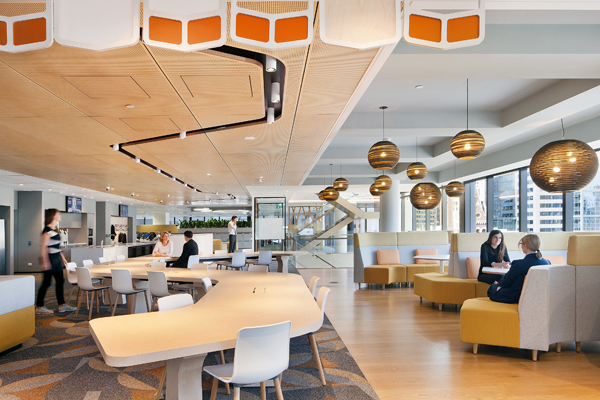
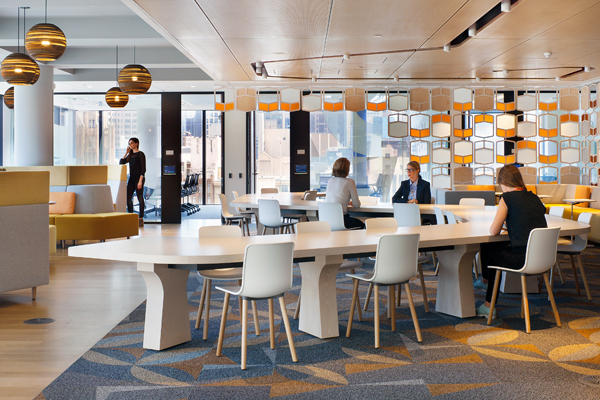
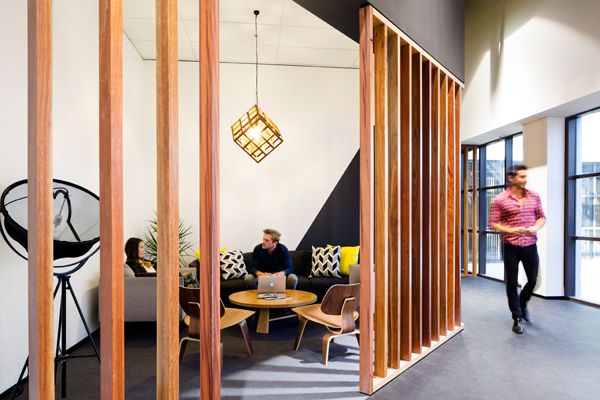
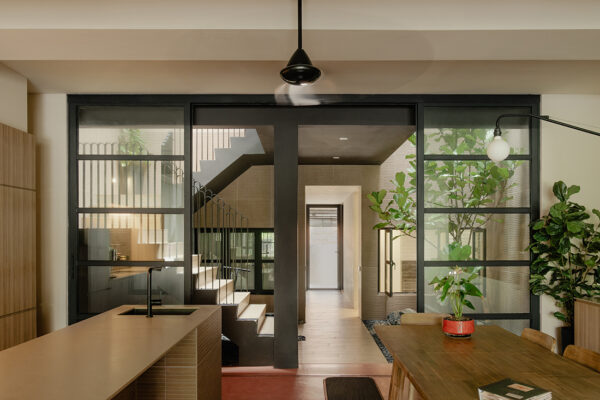
Geyer project images: Westpac by Shannon McGrath and JWT by Luc Remond.
INDESIGN is on instagram
Follow @indesignlive
A searchable and comprehensive guide for specifying leading products and their suppliers
Keep up to date with the latest and greatest from our industry BFF's!
One of Australia’s leading design and architecture events is now underway in Sydney, showcasing over 300 local and international brands and designers. The trade only event is co-located with Form and Function – for the building, architecture and construction industries – and the 2010 National Architecture Conference. Held over 3 days at the Sydney Convention […]
The internet never sleeps! Here's the stuff you might have missed