The home of architecture and design in the Asia-Pacific
Get the latest design news direct to your inbox!

Get the latest design news direct to your inbox!
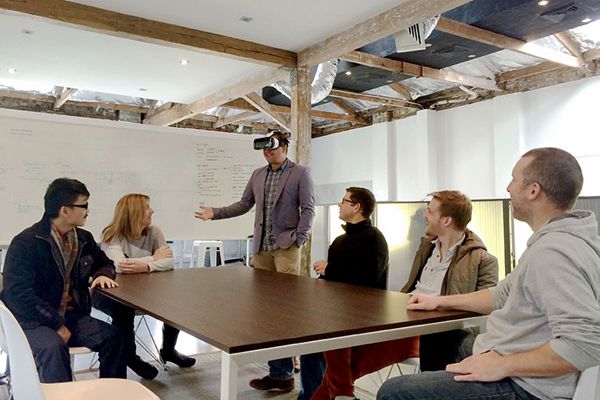
Augmented Reality and Virtual Reality offer new ways for designers to interact with projects, changing the marketability of architects & the way they design
June 4th, 2015
With the face of design and architecture changing so quickly in the modern day, the need for effective visual communication in design is more important than ever. Visual communication has always been deeply rooted in technology, and the adoption of new technologies is becoming imperative for designers going forward.
Jodi Watson, managing director of Sydney based Augmented and Virtual Reality company Auggd, says that incorporating these technologies will be vital to the future success and competitiveness of the industry.
“It will be paramount in the next two to three years that architects embrace it,” Watson says “It’s too far down the track to be considered a fly-by-night technology. It’s here, and there’s no doubt now about the future of AR and VR.”
As for the difference between the two tools, Augmented Reality involves layering digital information over site-specific, interactive views, through app sor digital devices, while Virtual Reality is a fully immersive and changeable digital experience, often viewed through a headset.
The technology is being used in the industry right now, with ThomsonAdsett Group Director of Design and Education & Communities, Graham Legerton, being a firm believer and user of AR for nearly two years now.
“It’s been very useful for us in pitching for projects, communicating schematic design concepts and the continuing evolution of a design in a virtual sense,” he says.
Whilst these new technologies are best used in collaborations with other mediums, Watson explains that they will still “completely disrupt the design process, which will benefit architects, because they are able to have that additional level of experience as they’re designing.”
“It will never replace the underlying nature of architecture and the need to design using desktops and plans. It’s just complementary – it’s the next step.”
Auggd
auggd.com
INDESIGN is on instagram
Follow @indesignlive
A searchable and comprehensive guide for specifying leading products and their suppliers
Keep up to date with the latest and greatest from our industry BFF's!
The internet never sleeps! Here's the stuff you might have missed