The home of architecture and design in the Asia-Pacific
Get the latest design news direct to your inbox!

Get the latest design news direct to your inbox!
Elana Castle interviews Sophie Lieberman about the 10th edition of Sydney Open.
November 5th, 2014
5802 tickets. Over 3000 visitors across 57 buildings. Over 1000 images on Instagram. The generous support of hundreds of over 400 enthusiastic volunteers. On figures alone, the 10th edition of Sydney Open was a resounding success.
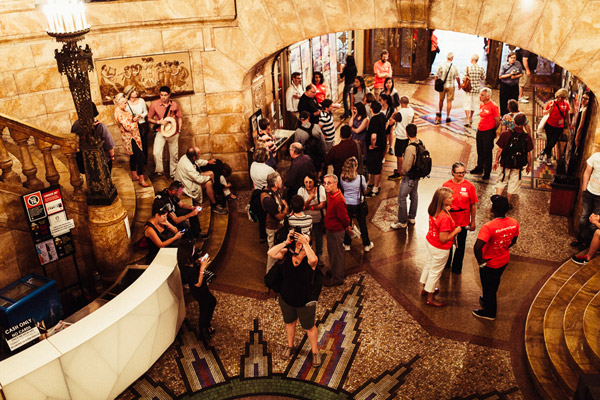
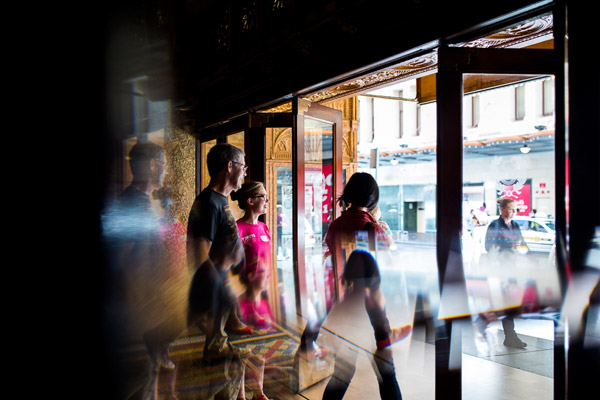
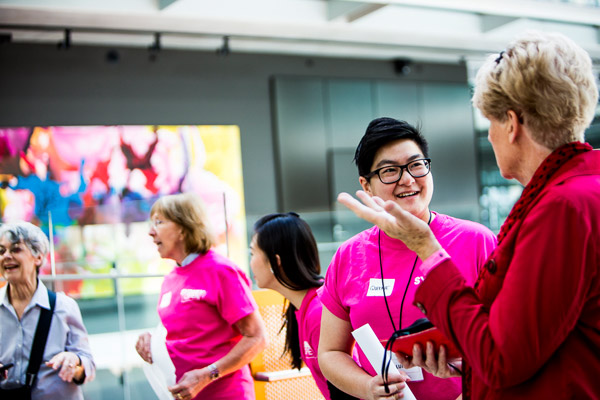
A Sydney Living Museums initiative, Sydney Open House grants access to a curated selection of the city’s architectural treasures. “This year, we put extra emphasis on the City Pass component of the programme,” explains Sophie Lieberman, Sydney Living Museum’s Head of Programs. “Many of the sites offered extra layers of interpretation through the addition of lectures and insights from relevant experts.”
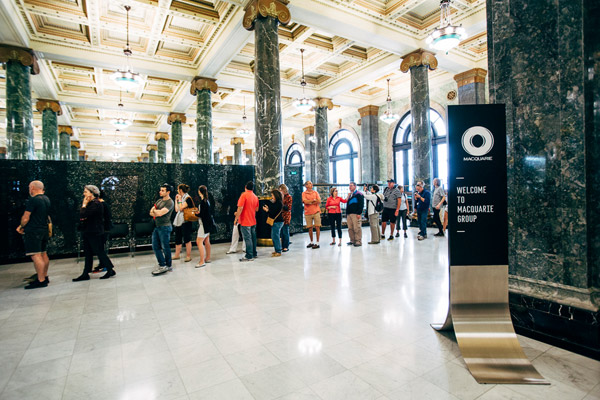
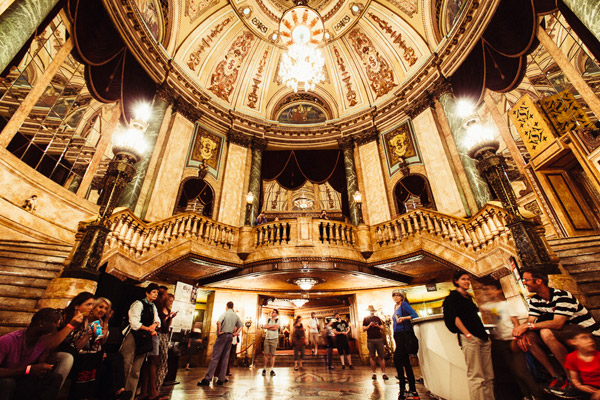
A undeniable highlight of this year’s event were the lectures presented by Paul van Ratingen, director of JPW Architects, the firm responsible for the exceptional adaptive re-use of 50 Martin Place into Macquarie Group’s new global headquarters. Over 3000 people were given the opportunity to explore the ground floor Beaux Arts banking chamber and three floors of Macquarie Group’s headquarters. Van Ratingen highlighted the immense problem-solving required to transform an iconic building into a cutting-edge corporate office environment. Visitors were given an insight into JPW’s seamless integration of 21st century technology, contemporary place-making, and Activity Based Working (ABW) office interiors into the foundational heritage of the building.
“Another highlight was access to offices within the iconic Sydney skyscraper, Governor Philip Tower,” adds Lieberman. “This year, visitors were given the opportunity to write messages on the building’s windows. A rare license for people to share their experiences and celebrate the city in such a unique way.” Instagram feeds were filled with messages about the city that related to the building’s exceptional views.
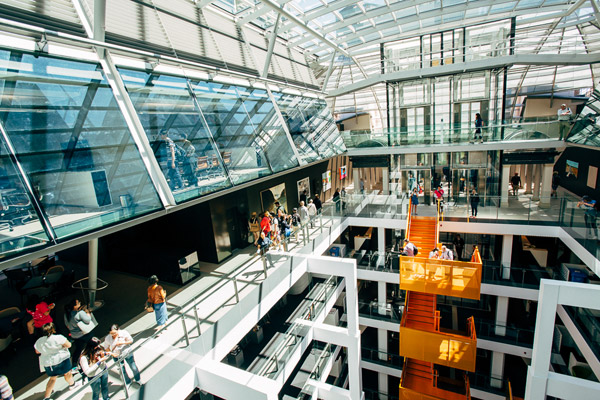
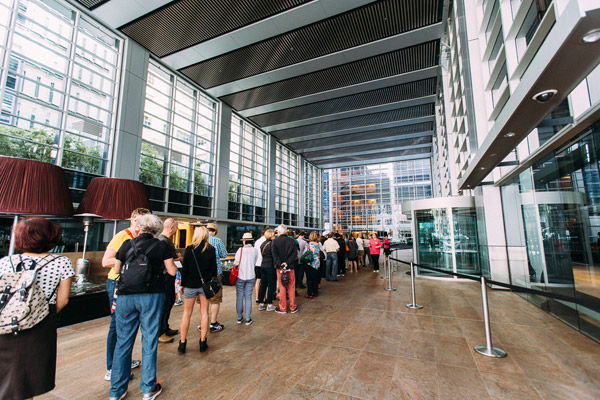
“Sydney Open gives people the opportunity to explore the importance of architecture and to create their own personal connections to buildings and place-making,” continues Lieberman. “Our aim is to be sociable host – to offer people the opportunity to engage in the city on multiple platforms. It’s how the city comes to life.”
Photography by Haley Richardson for Sydney Living Museums
Sydney Living Museums
sydneylivingmuseums.com.au/sydneyopen
INDESIGN is on instagram
Follow @indesignlive
A searchable and comprehensive guide for specifying leading products and their suppliers
Keep up to date with the latest and greatest from our industry BFF's!
The internet never sleeps! Here's the stuff you might have missed