The home of architecture and design in the Asia-Pacific
Get the latest design news direct to your inbox!

Get the latest design news direct to your inbox!
The Pedrali wood division is celebrating 10 years of operation with the reorganisation and expansion of its production unit in Manzano
April 5th, 2016
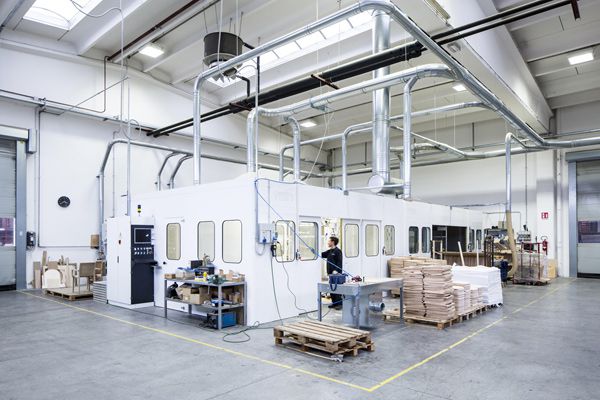
Inaugurated in 2006 in the heart of the Chair District in Manzano, the wood division has seen the creation of numerous collections. They include Frida, the oak chair designed by Odo Fioravanti, which was awarded the XXII ADI Compasso d’Oro in 2011 for its simple sculptural elegance. In 2012, the decision to move production to an area of 19,000m², still in Manzano, marked a new chapter in the life of the division.
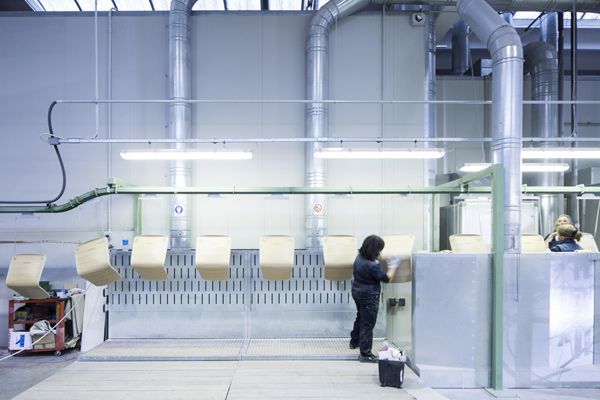
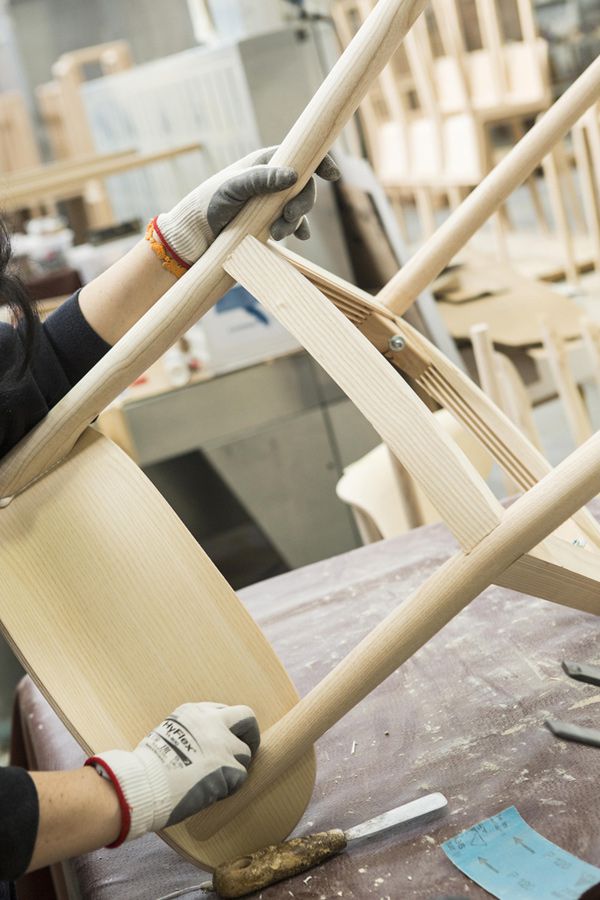
The production model is the same as the one successfully used in Mornico al Serio (BG – Italy), where furniture collections using plastic, metal and upholstered materials born. The industrial process is based on the idea of doing most of the work internally, to ensure maximum quality and control over every phase: from design to production.
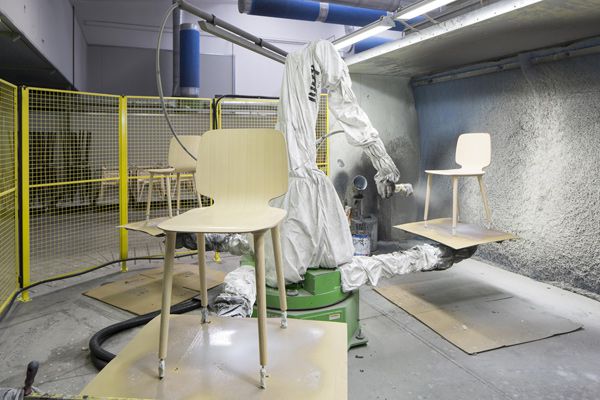
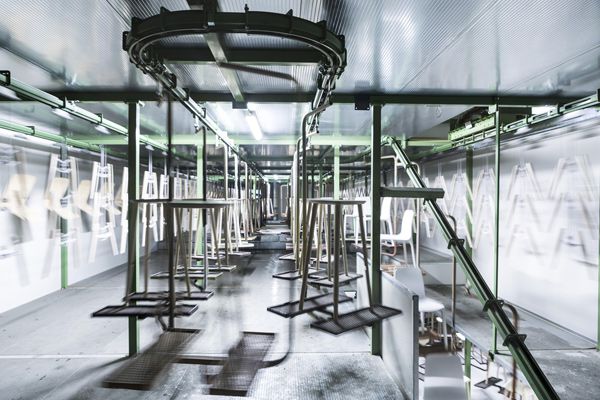
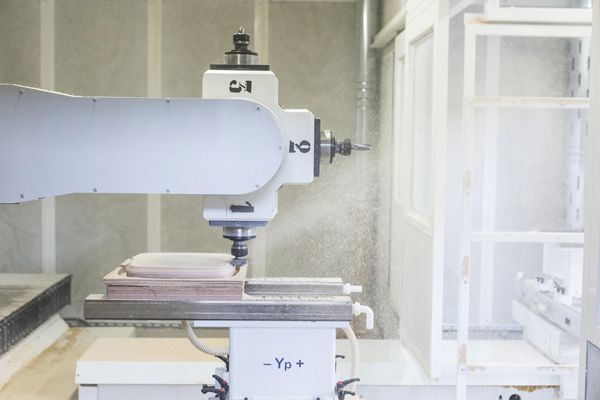
In 2013, the production unit in Manzano obtained FSC C114358 Chain of Custody certification, which guarantees the origin of the raw material from forests that are correctly and responsibly managed according to strict environmental, social and economic standards. In recent months, it has been installed a robotic painting system, which uses water-based coating. In addition to ensuring excellent performance from the point of view of chemical and physical resistance, they limit emissions of volatile organic compounds, greatly reducing the environmental impact. There are also numerical control machines for milling and contouring and some sandwich panels presses for bonding.
“The tradition of artisan woodworking in the Friuli area, coupled with our extensive experience in the use of different materials, has allowed us to create a collection of furniture that responds to the demands of versatility and customisation in the contract sector,” explained Giuseppe Pedrali, CEO of Pedrali Spa “A successful pathway reflected in our record turnover on 71 million Euros in 2015. This encouraging sign confirms the real value of Italian production in terms of craftsmanship, technological innovation and creativity.”
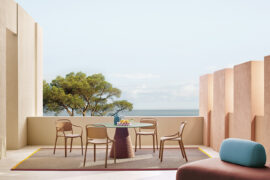
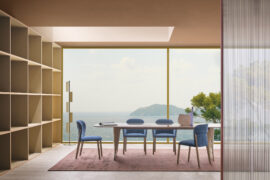
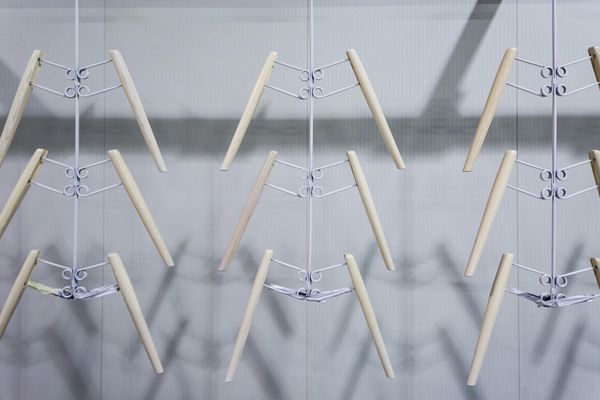
The result is a collection of chairs, tables and complements developed with the idea of using the very finest woods such as oak, ash and walnut. It involves focusing on multilayer and sandwich panels rather than solid wood, developing special glues and different types of joints and combining plastics and metals.
In line with this project, the Nemea chair, designed by the Cazzaniga-Mandelli-Pagliarulo trio, combines a die-casted aluminium frame, which provides structural strength, with a plywood seat and legs in solid ash.
On the other hand, the collection of Babila chairs, designed by Odo Fioravanti, includes both an all-wood version and a version with a technopolymer or upholstered shell, all compatible with a metal frame. The wooden stool has a footrest in die-casted aluminium.
Pedrali
pedrali.it/en

INDESIGN is on instagram
Follow @indesignlive
A searchable and comprehensive guide for specifying leading products and their suppliers
Keep up to date with the latest and greatest from our industry BFF's!
The internet never sleeps! Here's the stuff you might have missed