The home of architecture and design in the Asia-Pacific
Get the latest design news direct to your inbox!

Get the latest design news direct to your inbox!
Cuisine and the Arts, Owen Lynch looks at how this cultural convergence embodies the spirit of a people, reflects their traditions and defines their identity
July 27th, 2012
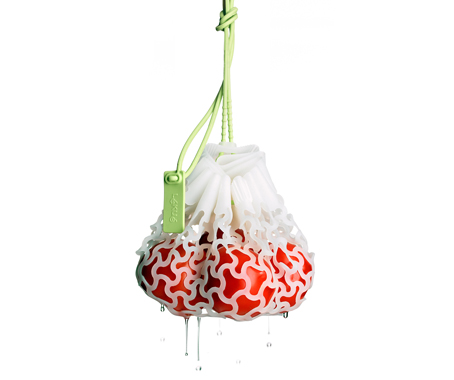
A mouth-watering new exhibition curated by Spaniard Martin Azúa explores the place of design in our diets, in the context of the changing face of Spanish cuisine.
Opening this week in Canberra, Australia, a collaboration with the Spanish Embassy, ’Foodjects: Design and the new cuisine in Spain’ explores the modern approach to practices steeped in tradition.

Where culturally the methods of food preparation have dictated the process of creating meals, Azúa dissects the evolution of cooking and consumption and the tools that have also changed face or adapted in the process.
“Eating has been made a sensorial and intellectual experience in which the sense of humour and surprise play a major role. Designers and chefs have tackled this innovation from a variety of standpoints ” Says Azua.
With his own designs included in the collections of MoMA, New York, and his products in use daily around the world, Azúa highlights the work of contemporaries like Jaime Hayon as having the radical mentality and intense sense of narrative that exemplify the themes of the exhibition.
Their reverse-thinking has driven the development of accessories and accoutrements that play into how we use and interact with our food and beverage, from a tool that serves to serve, it becomes the experience of use that compliments the consumption.
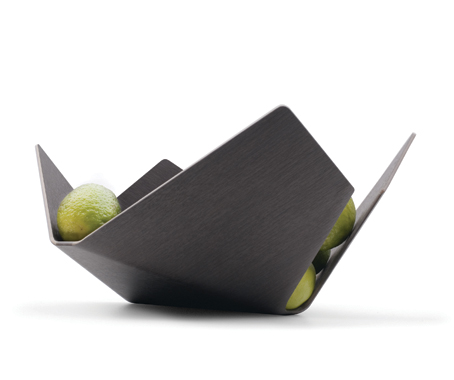
Fiddly thinking? Perhaps. Nevertheless, the diversity in the items curated (over 100) readily illustrates that practicality and efficiency goes hand-in-hand with the success of boundary pushing design.
’Foodjects: Design and the new cuisine in Spain’ is an exclusive presentation in cooperation with the Spanish Embassy at Craft ACT.
CRAFT ACT
Craft ACT: Craft and Design Centre is supported by the ACT Government and the Australia Council for the Arts, the Federal Government’s arts funding and advisory body
INDESIGN is on instagram
Follow @indesignlive
A searchable and comprehensive guide for specifying leading products and their suppliers
Keep up to date with the latest and greatest from our industry BFF's!
The internet never sleeps! Here's the stuff you might have missed