The home of architecture and design in the Asia-Pacific
Get the latest design news direct to your inbox!

Get the latest design news direct to your inbox!
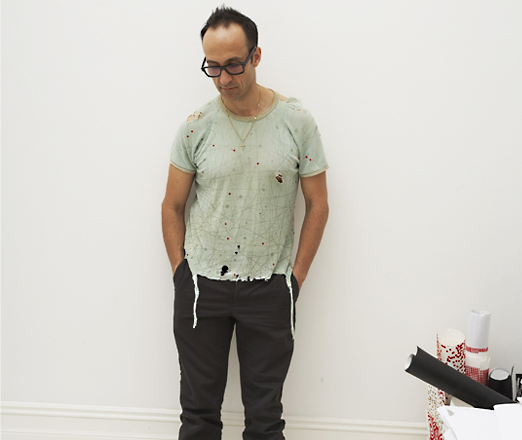
Founder of the red dot awards, Professor Dr. Peter Zec, comments on design, the economy and the international awards programme.

December 16th, 2008
The founder of the internationally recognised red dot design awards, Professor Dr. Peter Zec has said he believes that the way out of the Global Financial Crisis is through quality design.
Explaining that entries to the ‘red dot award: product design’ have dropped by two percent, he added “It is, however, interesting to note that the number of participating companies has increased by approximately 16 per cent.” Zec puts this down to a growing investment by companies in good design.
“The design affinity of the individual industries is higher than ever before,” Zec said. “From a technological point of view we have made top achievements in recent years. Now the task is to separate the wheat from the chaff and this is where design quality comes into play.”
This sentiment is echoed by the DIA’s national president, Joanne Cys, who last month told indesignlive.com: “Often the greater the restraints, the more creative and innovative the outcome,” she said. “In times of economic downturn, people often return to study to further their education. This will naturally result in new developments in design.”
Zec points to international awards such as red dot as a way for companies to test their designs and attract further attention. “For those companies that take advantage of the red dot design award and face a tough international comparison it will also be easier to find suitable investors,” he said.
Noting that consumers trust quality, well designed products, Zec believes that companies who invest in these things will ultimately survive the downturn.
red-dot.de
INDESIGN is on instagram
Follow @indesignlive
A searchable and comprehensive guide for specifying leading products and their suppliers
Keep up to date with the latest and greatest from our industry BFF's!
The internet never sleeps! Here's the stuff you might have missed