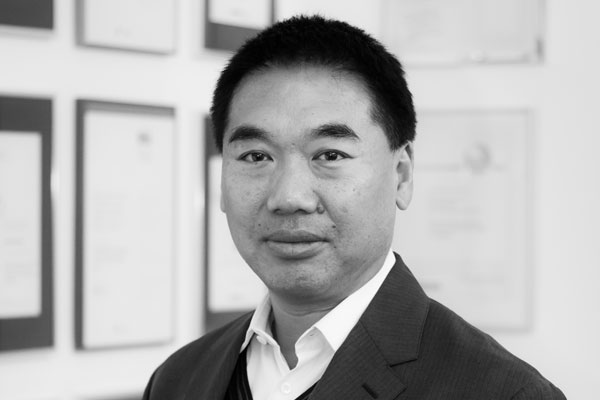
It’s hard to imagine that one of England’s most prominent lighting designers fell into the trade “by accident”. Yet that’s how Hong Kong-born Arnold Chan, brains behind the London-based award-winning lighting design studio Isometrix, entered the industry. “Well, it was an accident, like so many other things in life. My interest only took off when I started designing lighting for showroom companies in graduate school,” the newly-minted World’s Outstanding Chinese Designer in the DFA Awards chuckles during our interview at the recently held Business of Design Week 2014 in Hong Kong, where he was a speaker. We find out more.
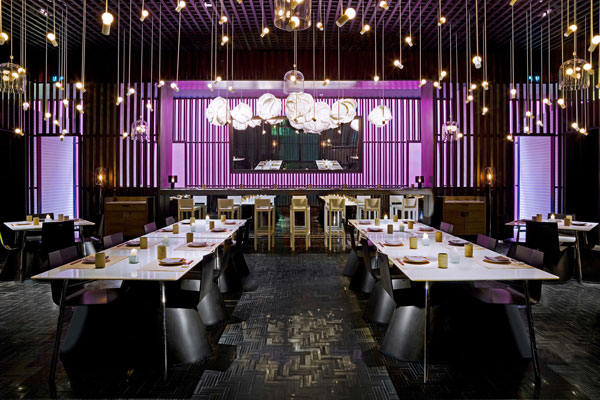
Opposite House Beijing
What is Isometrix’s design philosophy?
One that is respectful of both the lead designer and client. We generally prefer to focus on creating a lighting effect rather than the fixture itself. Sometimes, you don’t need to have a strong personal style to create good lighting. As important as it is, the lighting cannot be there on its own. It’s used to add extra dimension to the overall design.
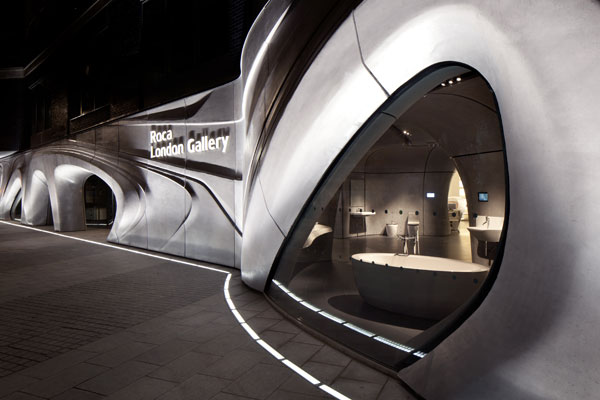
Roca London Gallery
How has an academic background in architecture influenced your design philosophy?
The reason why there are so few top lighting designers in the world compared to the number of architects and interior designers is because it is a very difficult profession to penetrate. As a lighting designer, you need [knowledge of] both the technical and design side [of things].
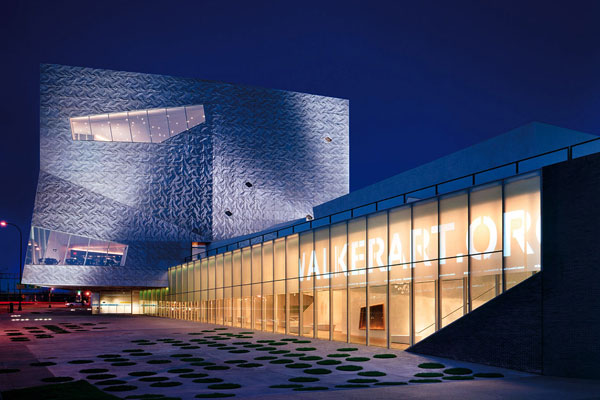
Walker Art Centre, Minneapolis
What are some challenges facing a lighting designer?
You never know what lighting can do until you’ve turned on the switch. Leather sofas and marble floors are all very tangible but with lighting, you need that extra leap of faith.
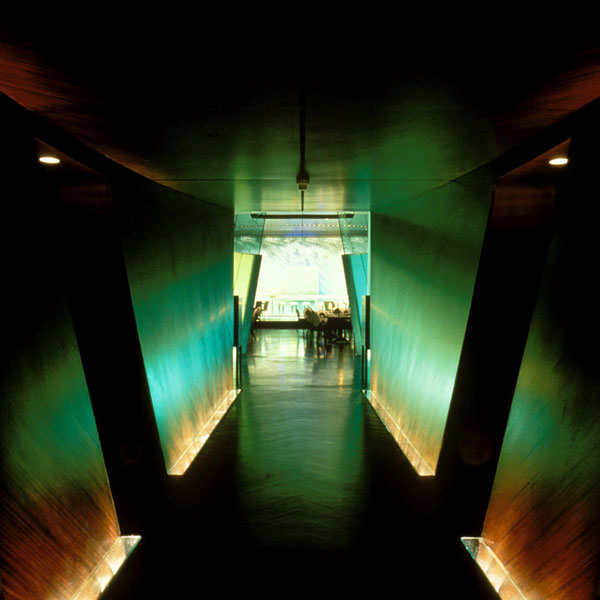
Felix, Hong Kong
How has the preponderance of low-energy lights influenced lighting design?
We are at another crossroad in the world of lighting design, especially with all the new tools that have been coming up. Even LED itself has evolved quite a bit over the years, with the first generation [of LED] not being able to give us the breadth of choice as we have now. Another challenge facing lighting designers today is the need to keep abreast of the latest technologies.
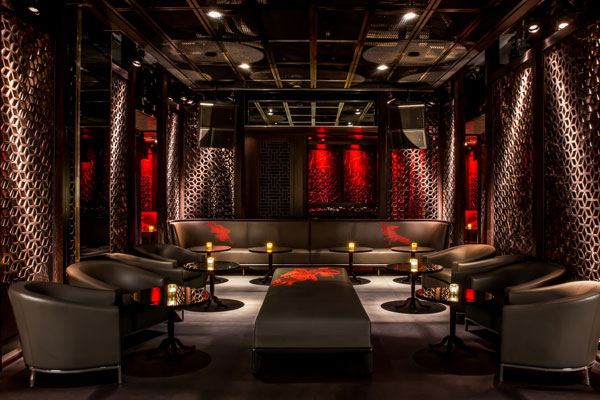
Hakkasan, Las Vegas
What are your thoughts on Light Paper, the latest technology spearheaded by Idaho-based startup Rohinni?
It has potential but as with any other technology, it’s far from a be-all-and-end-all solution. The best thing about the 21st century is that the variety of experiences are ever greater than before, and that means utilising different lighting systems for different circumstances. Take the candle for example – you normally wouldn’t use it to light up a conference room or a classroom, but it’s gold for a romantic dinner.
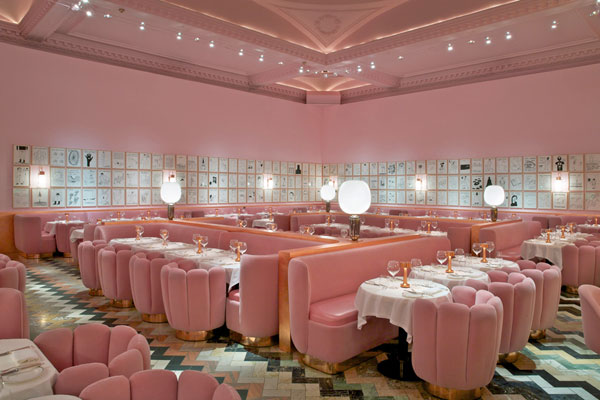
Sketch, London
Aside from the aforementioned low-energy lights, is there such a thing as trends in lighting design?
Yes, but trends are dangerous. Take colour-changing lights for example. It’s an ingenious way to imbue the space with a certain mood but it becomes meaningless once you start applying it to every single situation.
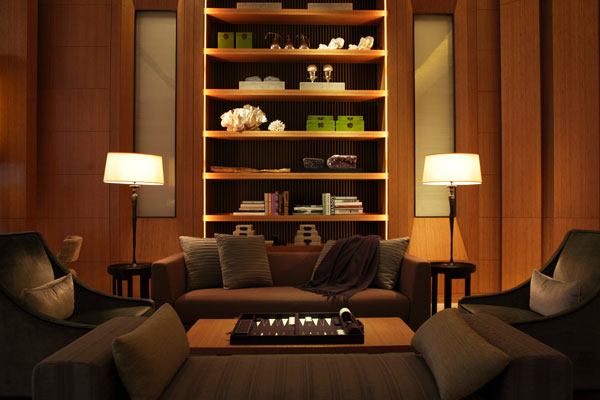
The Upper House, Hong Kong
Do you think the East and West still perceive lighting design differently?
I’d say the West is still more sophisticated in terms of lighting technology and design. One thing that is clearly evident, however, is that there are a lot more homegrown talents in this part of the world. It used to be the case where all the experts were imported from overseas.
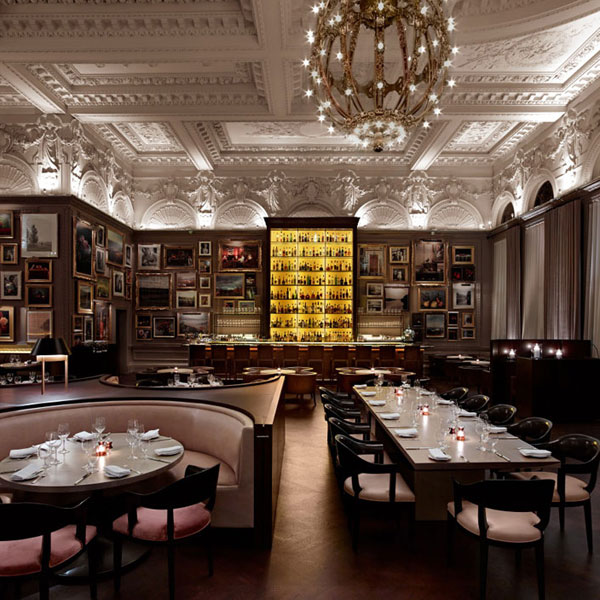
London Edition
Isometrix
isometrix.co.uk