As the world mourns renowned architect Frank Gehry, the UTS community will remember the invaluable legacy he gave to us in the form of an iconic building that transformed Sydney’s landscape forever.
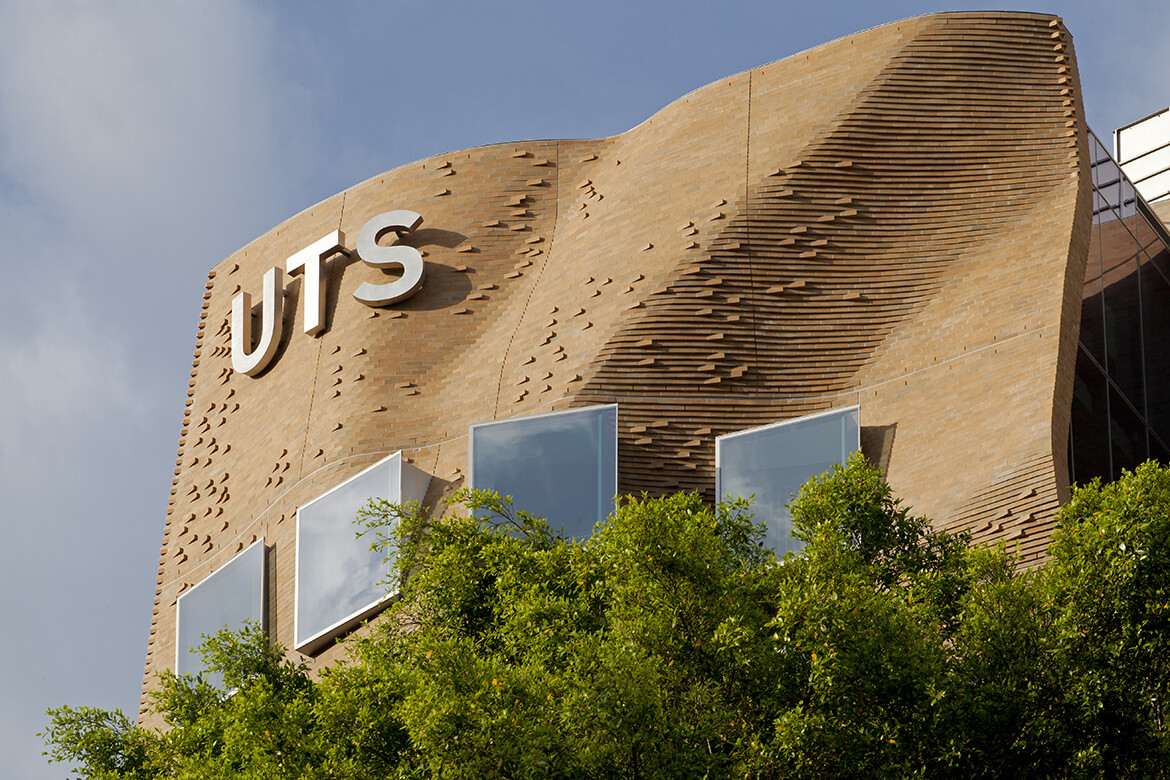
In 2015, Pritzker Prize-winning architect Frank Gehry flew to Australia for the opening of his first Australian project. Named in honour of Australian Chinese businessman and philanthropist Dr Chau Chak Wing, the building was the new home to the UTS Business School. The completion of the building was seen as a symbol of everything UTS stands for, epitomising our vision to be a world-leading university of technology where creativity and innovation intersect.
Now affectionately known as the ‘paper bag,’ the initial design was inspired by the idea of a tree house. Gehry described it at the time of its opening as “a growing, learning organism with many branches of thought – some robust, and some ephemeral and delicate.”
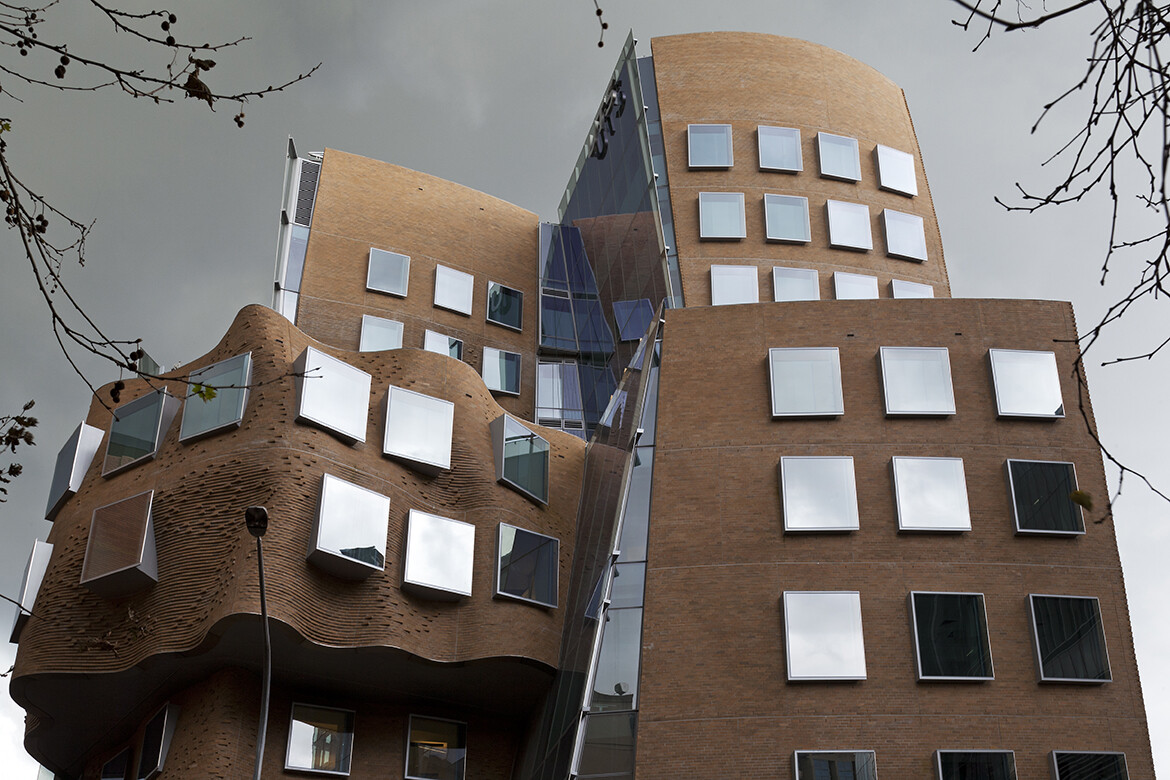
The building was designed from the inside out, starting with the collaborative learning and workspaces. It now provides teaching, learning, research and office accommodation for the internationally recognised Business School – as well as extensive public spaces.
“The Dr Chau Chak Wing Building has become more than a landmark for UTS, it is a design masterpiece and a defining feature of Sydney’s architectural landscape, while also serving as a welcoming public place for the broader community,” says Vice-Chancellor Professor Andrew Parfitt.
Professor Parfitt reflects that the Dr Chau Chak Wing Building has inspired thousands of scholars, with more than 10,000 students utilising its uniquely designed classrooms each year. “At the heart of the building is a community of thinkers, educators, and changemakers who are driving real-world impact every day,” he continues.

“Some of Australia’s most influential business minds, policy advisers, researchers and innovators are reimagining the future of work, leadership and enterprise. Their ideas shape industries, inform national conversations, and inspire the next generation of globally connected leaders. All thanks to Frank Gehry’s transformative designs, which reflect our heritage while looking towards the future.”
The building creates unique spaces to inspire a lifelong love of learning, enable completely new educational experiences and enrich UTS’s approach to research. It is designed to encourage the sharing of ideas among students and staff alongside our industry and community partners.
“In the decade since we celebrated the opening of Australia’s only Frank Gehry-designed building – the Dr Chau Chak Wing Building – it has become more than a landmark for UTS, it is a design masterpiece and a defining feature of Sydney’s architectural landscape, while also serving as a welcoming public place for the broader community,” Professor Parfitt adds.
“We will forever be in debt to Frank Gehry, and he will be remembered by the UTS and broader Sydney communities for decades to come.”
Photography (building)
Andrew Warssum